



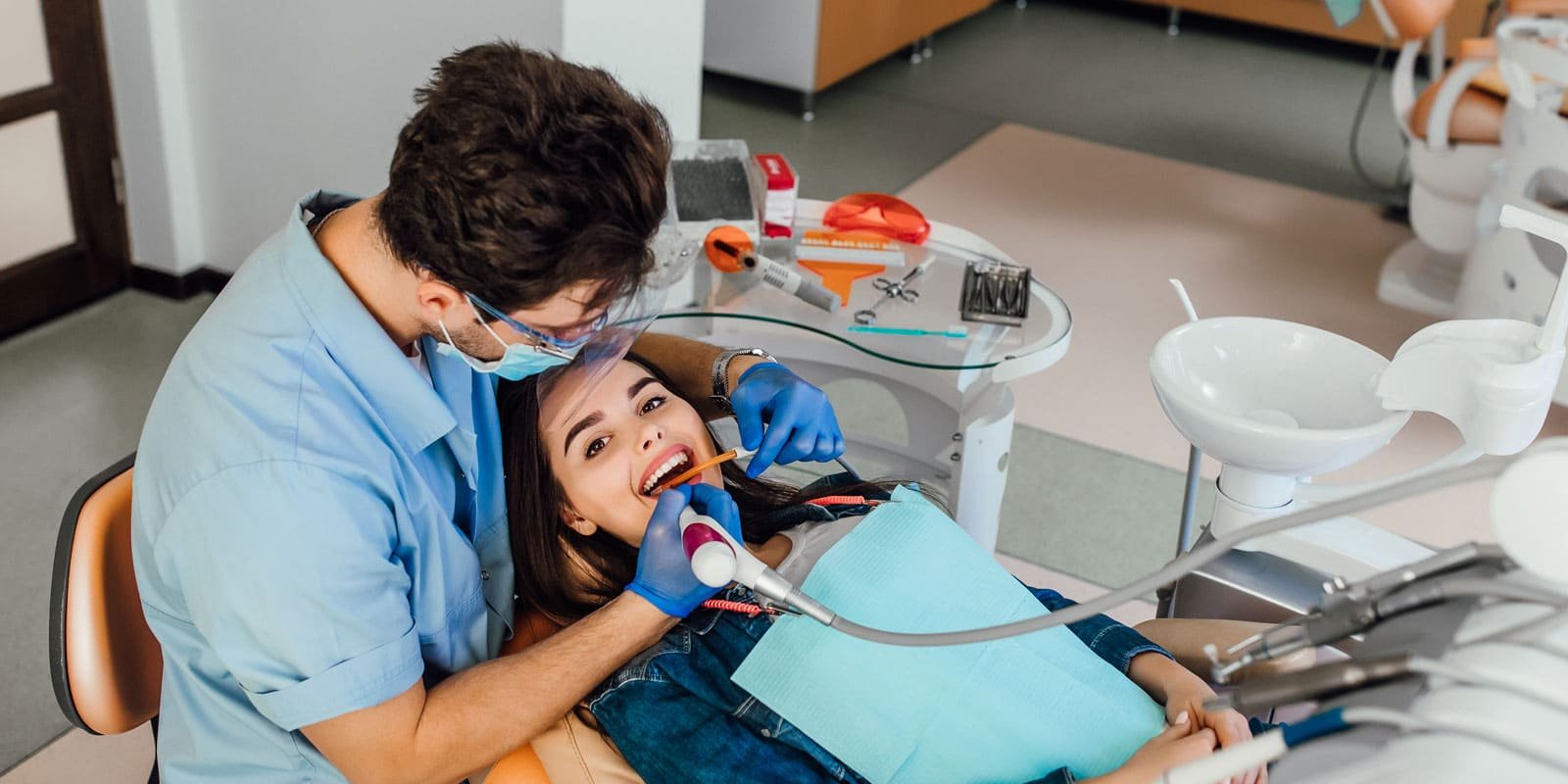
When a patient is diagnosed with head and neck cancer, one of the first questions I hear from the patient and their family is, “Is Head and Neck Cancer Curable?” It is a natural question because a cancer diagnosis brings uncertainty, fear, and concern about what lies ahead. The reassuring fact is that many head and neck cancers can be successfully treated, particularly when detected at an early stage.
However, there is no single answer that applies to every patient. The possibility of cure depends on the cancer’s location, type, stage, biological characteristics, and the patient’s overall health.
Head and neck cancers are a diverse group of malignancies affecting areas such as the oral cavity, throat (pharynx), voice box (larynx), nasal cavity, sinuses, and salivary glands. More than 90% of head and neck cancers are squamous cell carcinomas, meaning they begin in the squamous cells lining these regions.
Globally, head and neck cancers represent a substantial cancer burden, with hundreds of thousands of new cases diagnosed each year. India carries a particularly significant burden, partly due to the widespread use of smoked and smokeless tobacco, areca nut products, and alcohol.
So, Is Head and Neck Cancer Curable when diagnosed early? In many cases, yes. Early-stage cancers that remain confined to their site of origin can often be treated effectively with surgery or radiation therapy, depending on their location.
Outcomes generally become more challenging when cancer has grown extensively, spread to lymph nodes, or metastasized to distant organs. Even then, some locally advanced cancers may still be treated with curative intent using combinations of surgery, radiation, chemotherapy, and other therapies.
Early diagnosis can therefore make a meaningful difference. Symptoms such as a mouth ulcer that does not heal, persistent hoarseness, difficulty swallowing, a neck lump, unexplained oral bleeding, or a persistent sore throat should not be ignored. These symptoms do not necessarily mean cancer, but persistent or unexplained changes deserve medical evaluation.
Another important factor when asking “Is Head and Neck Cancer Curable?” is the biology of the disease. For example, some HPV-positive oropharyngeal cancers tend to respond better to treatment and generally have a more favorable prognosis than HPV-negative disease. This demonstrates why two patients with apparently similar cancers may have different treatment plans and outcomes.
Throughout this article, I will explain Is Head and Neck Cancer Curable at different stages, the factors influencing prognosis, warning signs, diagnostic tests, available treatment options, recurrence risk, and the importance of early detection. My aim is to replace fear with accurate information so patients and families can make informed decisions about their treatment.
Also Read: Can Ulcers Cause Cancer?
What Is Head and Neck Cancer?
Before we discuss “Is Head and Neck Cancer Curable?”, it is important to understand that head and neck cancer is not a single disease. It is a broad group of cancers that develop in different structures of the head and neck. These cancers can behave differently, produce different symptoms, and require different treatments depending on exactly where they originate.
Most head and neck cancers begin in the mucosal surfaces that line areas such as the mouth, throat, and voice box. The major sites include the oral cavity, pharynx (throat), larynx (voice box), nasal cavity, paranasal sinuses, and salivary glands.
The oral cavity includes the lips, tongue, gums, inner cheeks, floor of the mouth, and hard palate. Cancers in this region may first appear as a persistent mouth ulcer, red or white patch, unexplained bleeding, or a lump. The pharynx includes the nasopharynx, oropharynx, and hypopharynx. Depending on the location, cancer here may cause difficulty swallowing, persistent throat discomfort, ear pain, or a neck lump.
Cancer of the larynx, or voice box, can affect the vocal cords and surrounding tissues. Persistent hoarseness or a change in voice can therefore be an important warning sign. Cancers may also develop in the nasal cavity and paranasal sinuses, although these are relatively uncommon. Persistent nasal blockage, nosebleeds, facial swelling, or sinus-like symptoms that do not improve may require investigation. Salivary gland cancers are another distinct and comparatively uncommon group that can develop in glands such as the parotid, submandibular, or sublingual glands.
When patients ask “Is Head and Neck Cancer Curable?”, the specific location matters greatly. A small cancer confined to one area may have a very different prognosis from a tumor that has invaded nearby structures or spread to lymph nodes.
Around 90% of head and neck cancers are squamous cell carcinomas (SCCs). These cancers arise from the thin, flat squamous cells lining many surfaces of the head and neck. Tobacco and alcohol are major risk factors for several forms of head and neck squamous cell carcinoma, while human papillomavirus (HPV) is particularly important in many oropharyngeal cancers.
So, Is Head and Neck Cancer Curable? Many cases can be treated successfully, especially when identified early. However, cancer type, location, stage, lymph-node involvement, HPV status, and overall health all influence the treatment approach and prognosis.
Understanding exactly where the cancer started and what type of cancer it is is therefore essential before answering “Is Head and Neck Cancer Curable?” for an individual patient. This information helps the oncology team develop a personalized treatment plan using surgery, radiation, systemic therapy, or an appropriate combination.
Also Read: Can Breast Pump Cause Cancer: Myths, Facts & Expert Advice
Is Head and Neck Cancer Curable When Detected Early?
One of the most reassuring things I can tell patients asking “Is Head and Neck Cancer Curable?” is that early detection can significantly improve the chances of successful treatment. When head and neck cancer is diagnosed while it is still small and confined to its original location, treatment is generally less complex and outcomes are considerably better than when the disease is discovered after extensive local or distant spread.
Stage I and Stage II head and neck cancers are generally considered early-stage disease, although staging criteria vary depending on where the cancer begins. At these stages, the tumor is usually relatively limited and may not have spread extensively to nearby lymph nodes or distant organs. Many early cancers can be treated with surgery or radiation therapy alone, while treatment decisions are individualized according to tumor location, size, pathology, and the need to preserve functions such as speech and swallowing.
So, Is Head and Neck Cancer Curable at Stage I or Stage II? For many patients, treatment is given with curative intent, and outcomes can be very favorable. However, there is no single cure or survival percentage for all head and neck cancers. According to U.S. SEER data, for example, localized laryngeal cancer has a 5-year relative survival of around 80%, while localized cancers at some other head and neck sites can have survival rates exceeding 80%. These figures vary substantially by anatomical site, HPV status, tumor biology, and individual patient factors.
The importance of early diagnosis cannot be overstated. Head and neck cancer can initially produce symptoms that appear harmless—a mouth ulcer, persistent sore throat, hoarseness, difficulty swallowing, or a lump in the neck. A common mistake is waiting for these symptoms to disappear on their own. A persistent abnormality, particularly one lasting more than 2–3 weeks, deserves medical evaluation.
When patients ask “Is Head and Neck Cancer Curable?”, I also explain that detecting cancer early may allow us to use less extensive treatment. This can improve not only cancer control but also the possibility of preserving important functions such as speech, swallowing, appearance, and quality of life.
Timely consultation with an experienced head and neck cancer specialist, surgical oncologist, radiation oncologist, or medical oncologist is therefore essential. Treatment planning often requires a multidisciplinary team so that the cancer is controlled effectively while preserving function wherever possible.
Ultimately, Is Head and Neck Cancer Curable when detected early? In many cases, yes, early-stage head and neck cancers can be treated successfully with curative intent. The key is not to ignore persistent symptoms. Early evaluation, accurate staging, and timely specialist-led treatment can make a meaningful difference to both survival and long-term quality of life.
Also Read: How Much Does Cancer Treatment Cost in India
Is Head and Neck Cancer Curable at Advanced Stages?
When patients are diagnosed with Stage III or Stage IV disease, one of their biggest concerns is, “Is Head and Neck Cancer Curable at an advanced stage?” The answer depends on what “advanced” means in an individual case. Importantly, advanced head and neck cancer does not always mean incurable cancer. Some locally advanced cancers can still be treated aggressively with the goal of achieving long-term disease control or cure.
Stage III and Stage IV head and neck cancers may involve a larger primary tumor, nearby tissues, or regional lymph nodes. However, Stage IV itself includes different situations. A patient with locally or regionally advanced disease is very different from someone whose cancer has spread to distant organs such as the lungs, liver, or bones. This distinction is critical when answering “Is Head and Neck Cancer Curable?”
For many patients with locally advanced head and neck cancer, treatment may still be given with curative intent. Depending on the cancer’s location and extent, treatment may involve surgery followed by radiation or chemoradiation, or definitive chemoradiation without surgery. Treatment planning is increasingly personalized according to tumor location, lymph-node involvement, HPV status, pathology, overall health, and the patient’s ability to tolerate intensive therapy.
The situation is different when cancer returns after treatment (recurrent cancer) or spreads to distant parts of the body (metastatic cancer). Some localized recurrences may still be treated with surgery or radiation in carefully selected patients. When the disease is widespread, however, achieving a permanent cure is generally much more difficult.
In metastatic or unresectable recurrent disease, the primary goals may shift toward controlling cancer, prolonging survival, reducing symptoms, and maintaining quality of life. Modern systemic treatments include chemotherapy, targeted therapy, and immunotherapy. Drugs targeting the PD-1 pathway, for example, have become an important treatment option for selected patients with recurrent or metastatic head and neck squamous cell carcinoma.
So, Is Head and Neck Cancer Curable at advanced stages? For some patients with locally advanced disease, yes—curative treatment may still be possible. For widespread metastatic disease, treatment is more commonly focused on long-term disease control rather than cure.
This is why I advise patients not to judge their prognosis based only on the words “Stage III” or “Stage IV.” When considering “Is Head and Neck Cancer Curable?”, we need to look at the complete picture—the exact cancer site, extent of spread, HPV status, molecular characteristics, previous treatment, and overall health. A multidisciplinary oncology evaluation can determine the most appropriate and realistic treatment goal for each individual.
Also Read: Is Blood Cancer Curable in India?
What Factors Determine Whether Head and Neck Cancer Is Curable?
When patients ask me, “Is Head and Neck Cancer Curable?”, I explain that there is no single answer that applies to everyone. Head and neck cancer includes several different diseases, and the possibility of cure depends on a combination of factors. The stage, tumor location, lymph-node involvement, HPV status, overall health, response to treatment, and tobacco history can all influence prognosis.
The stage of cancer is one of the most important factors. In general, cancers detected at an early stage and confined to their original site have better treatment outcomes. As cancer becomes locally advanced, involves multiple lymph nodes, or spreads to distant organs, treatment becomes more complex. However, even some Stage III and Stage IV locally advanced cancers can still be treated with curative intent.
Tumor size and location are equally important. A small tumor in an accessible location may be successfully treated with surgery or radiation. Larger tumors or those involving critical structures responsible for breathing, speech, and swallowing may require a combination of surgery, radiation, and systemic therapy.
Another major consideration when answering “Is Head and Neck Cancer Curable?” is lymph-node involvement. Cancer cells can spread from the primary tumor to lymph nodes in the neck. The number, size, location, and characteristics of involved lymph nodes contribute to staging and help doctors determine both prognosis and the intensity of treatment required.
HPV status has become particularly important in cancers of the oropharynx, including cancers involving the tonsils and base of the tongue. HPV-positive oropharyngeal cancers generally respond better to treatment and have a more favorable prognosis than HPV-negative tumors. Studies have reported substantially better survival among appropriately treated patients with HPV-positive disease, although individual outcomes still vary.
A patient’s age and overall health also influence treatment decisions. Rather than considering age alone, we assess fitness, nutrition, kidney and heart function, existing illnesses, and the patient’s ability to tolerate surgery, chemotherapy, or radiation.
The response to treatment provides additional information. Tumors that respond strongly to initial therapy generally offer a more encouraging outlook, while persistent or recurrent disease may require additional treatment strategies.
Finally, smoking and tobacco use matter. Tobacco is a major cause of head and neck cancer, and continuing to smoke after diagnosis can negatively affect treatment outcomes, increase complications, and raise the risk of developing another tobacco-related cancer.
So, Is Head and Neck Cancer Curable? For many patients, particularly those diagnosed early, successful treatment is possible. Even in more advanced cases, cure may remain achievable depending on the disease pattern. When determining “Is Head and Neck Cancer Curable?”, we must evaluate the patient and the cancer as a whole rather than relying on one factor or statistic.
Also Read: Can Stage 1 Cancer Be Cured?
How Does HPV Affect Head and Neck Cancer Cure Rates?
When discussing “Is Head and Neck Cancer Curable?”, one factor that has become increasingly important is Human Papillomavirus (HPV) status. HPV is a common virus, and certain high-risk types—particularly HPV-16—are strongly associated with cancers of the oropharynx, which includes the tonsils and base of the tongue. Importantly, HPV-related head and neck cancer behaves differently from cancers primarily associated with tobacco and alcohol.
The connection between HPV and oropharyngeal cancer is now well established. HPV can infect cells in the throat and, in a small proportion of people with persistent high-risk infection, cause cellular changes that eventually lead to cancer. According to the U.S. CDC, HPV is thought to cause about 70% of oropharyngeal cancers in the United States, although the proportion varies considerably between countries and populations.
When patients ask “Is Head and Neck Cancer Curable?”, HPV status can provide important prognostic information. In general, HPV-positive oropharyngeal cancers have better treatment outcomes than HPV-negative cancers. One landmark study published in the New England Journal of Medicine reported a 3-year overall survival rate of approximately 82% for patients with HPV-positive tumors compared with about 57% for HPV-negative tumors. However, these figures come from specific patient populations and should not be interpreted as an individual’s predicted survival.
Why is there such a difference? HPV-positive tumors often have distinct biological characteristics and tend to be more responsive to radiation therapy and chemotherapy. Patients with HPV-associated cancers may also be younger and have less cumulative tobacco exposure, although this is not always the case. Smoking remains important even in HPV-positive disease because a significant smoking history can negatively influence prognosis.
This does not mean that every HPV-positive cancer will be cured or that HPV-negative cancer cannot be successfully treated. When determining “Is Head and Neck Cancer Curable?”, we still need to consider the cancer’s stage, tumor size, lymph-node involvement, overall health, smoking history, and response to treatment.
This is why HPV testing is particularly important in newly diagnosed oropharyngeal squamous cell carcinoma. Testing commonly uses p16 immunohistochemistry as a surrogate marker in appropriate cases, with additional HPV-specific testing used when clinically indicated. HPV status contributes to staging, provides valuable prognostic information, and helps the multidisciplinary team understand the disease more accurately.
So, Is Head and Neck Cancer Curable when it is HPV-positive? Many HPV-positive oropharyngeal cancers have a favorable prognosis and respond very well to modern treatment, but every patient’s situation is different. Accurate HPV testing, proper staging, and individualized treatment remain essential for achieving the best possible outcome.
Also Read: Is Blood Cancer Hereditary?
Symptoms of Head and Neck Cancer You Should Never Ignore
When patients ask me, “Is Head and Neck Cancer Curable?”, I often emphasize that recognizing warning signs early can make a meaningful difference. Many head and neck cancers begin with symptoms that may initially seem minor—a mouth ulcer, sore throat, or change in voice. Most of these symptoms have non-cancerous causes, but when they persist, worsen, or remain unexplained, they deserve medical evaluation.
A persistent mouth ulcer is one of the most important warning signs, particularly if it does not heal within 2–3 weeks. An ulcer that bleeds easily, becomes painful, develops irregular edges, or gradually increases in size should be examined by a doctor or dental specialist.
Another significant symptom is a lump in the neck. Head and neck cancers can spread to nearby lymph nodes, and sometimes a painless neck lump may be one of the first noticeable signs. Any unexplained lump that persists should be investigated rather than simply treated with repeated medications.
Difficulty or pain while swallowing can occur when a tumor affects the throat or surrounding structures. Some patients describe a sensation that food is getting stuck. Similarly, a persistent sore throat that does not improve with usual treatment requires attention.
Changes in the voice are equally important. Hoarseness or an unexplained voice change lasting several weeks can occasionally indicate a problem involving the larynx or voice box. This is particularly important in people with a history of smoking or tobacco use.
When discussing “Is Head and Neck Cancer Curable?”, I also ask patients about more general symptoms. Unexplained weight loss, especially when accompanied by difficulty eating or swallowing, should never be dismissed. Persistent ear pain, particularly on one side without an obvious ear infection, can sometimes be referred pain from a tumor in the throat.
Another warning sign is the appearance of persistent red or white patches inside the mouth. White patches may be associated with leukoplakia, while red patches may represent erythroplakia. Not every patch is precancerous or cancerous, but suspicious or persistent lesions may require examination and sometimes a biopsy.
So, Is Head and Neck Cancer Curable? Many head and neck cancers can be successfully treated, especially when diagnosed at an earlier stage. However, delaying evaluation can allow a cancer to progress before treatment begins.
If you notice a persistent mouth ulcer, neck lump, swallowing difficulty, voice change, unexplained weight loss, ear pain, or abnormal oral patch, seek medical evaluation. When answering “Is Head and Neck Cancer Curable?”, timely diagnosis remains one of the most important factors influencing treatment options and outcomes.
How Is Head and Neck Cancer Diagnosed?
When patients ask me, “Is Head and Neck Cancer Curable?”, I explain that an accurate and timely diagnosis is one of the most important steps toward successful treatment. Symptoms alone cannot confirm head and neck cancer. Doctors need to determine whether cancer is present, exactly where it started, its type, and how far it has spread before developing an appropriate treatment plan.
The diagnostic process usually begins with a detailed physical examination. The doctor examines the mouth, tongue, gums, throat, nose, and neck for ulcers, abnormal patches, swelling, or lumps. The lymph nodes in the neck are also checked because head and neck cancers commonly spread to these nodes.
Depending on the location of the suspected cancer, an endoscopy may be performed. A thin, flexible tube with a camera allows specialists to examine areas that cannot be seen easily during a routine examination, including the nasopharynx, oropharynx, hypopharynx, and larynx.
However, the definitive diagnosis generally requires a biopsy. A small sample of suspicious tissue is removed and examined under a microscope by a pathologist. This confirms whether cancer cells are present and identifies the cancer type. Since squamous cell carcinoma accounts for the great majority of head and neck cancers, pathology plays a critical role in establishing the exact diagnosis.
When determining “Is Head and Neck Cancer Curable?”, accurate staging is equally important. CT scans and MRI scans help doctors evaluate the tumor’s size, location, involvement of surrounding tissues, and spread to lymph nodes. MRI can be particularly valuable for assessing soft tissues and certain complex anatomical areas.
A PET-CT scan may be recommended in selected patients, particularly when the cancer is locally advanced or doctors need to investigate possible spread to other parts of the body. It can also help identify disease that may not be obvious on conventional imaging.
HPV testing has become especially important for oropharyngeal squamous cell cancers, particularly tumors involving the tonsils and base of the tongue. HPV-associated cancers often have a different prognosis from HPV-negative disease. p16 immunohistochemistry is commonly used in appropriate oropharyngeal cancers as part of pathological evaluation. Other molecular or pathological tests may also be recommended depending on the cancer type and treatment being considered.
So, Is Head and Neck Cancer Curable? The answer depends greatly on what these diagnostic tests reveal. A small localized tumor has a very different outlook from cancer that has extensively involved lymph nodes or distant organs.
This is why, when answering “Is Head and Neck Cancer Curable?”, I emphasize early investigation, biopsy confirmation, accurate staging, and multidisciplinary evaluation. The more precisely we understand the cancer, the better we can personalize treatment and determine whether therapy should be given with curative intent.
Treatment Options That Can Cure Head and Neck Cancer
When patients ask me, “Is Head and Neck Cancer Curable?”, I explain that many head and neck cancers can be treated with curative intent, particularly when the disease is localized or locally advanced but has not spread widely to distant organs. Treatment is highly individualized and may involve surgery, radiation therapy, chemotherapy, chemoradiation, targeted therapy, or immunotherapy, depending on the cancer site, stage, HPV status, and the patient’s overall health.
Surgery is an important curative treatment for many head and neck cancers. The aim is to completely remove the tumor while preserving critical functions such as speech, swallowing, and appearance whenever possible. Depending on lymph-node involvement, surgery may also include removal of affected lymph nodes in the neck. Advances in minimally invasive and reconstructive techniques have helped improve both cancer control and functional outcomes.
Radiation therapy can be used alone for selected early-stage cancers or combined with other treatments for more advanced disease. Modern techniques such as Intensity-Modulated Radiation Therapy (IMRT) allow radiation to be delivered more precisely to the tumor while reducing exposure to nearby healthy structures, including the salivary glands and spinal cord.
For patients wondering “Is Head and Neck Cancer Curable without surgery?”, the answer can sometimes be yes. Chemoradiation, where chemotherapy and radiation are administered together, is a well-established curative approach for several locally advanced head and neck cancers. Cisplatin is commonly used with radiation in appropriate patients because it can make cancer cells more sensitive to radiation.
Chemotherapy may also be used before definitive local treatment in selected situations or as part of treatment for recurrent or metastatic disease. The exact role depends heavily on the tumor site and clinical circumstances.
Targeted therapy, such as cetuximab targeting EGFR, may be considered in selected patients. Immunotherapy, including PD-1 inhibitors such as pembrolizumab and nivolumab, has significantly expanded treatment options for recurrent or metastatic head and neck squamous cell carcinoma. However, these therapies are not automatically curative and are used according to the individual disease setting and tumor characteristics.
This is why answering “Is Head and Neck Cancer Curable?” requires more than simply choosing one treatment. The best outcomes often come from a multidisciplinary approach involving surgical oncologists, medical oncologists, radiation oncologists, radiologists, pathologists, dentists, nutrition specialists, and speech and swallowing rehabilitation experts.
Ultimately, Is Head and Neck Cancer Curable? For many patients, yes—especially when diagnosed early. Some locally advanced cancers can also be treated with curative intent. The key is accurate staging and a personalized treatment plan that aims not only to control the cancer but also to preserve speech, swallowing, nutrition, appearance, and long-term quality of life.
Is Head and Neck Cancer Curable Without Surgery?
When patients ask me, “Is Head and Neck Cancer Curable without surgery?”, the answer in selected cases is yes. Surgery is an important treatment for many head and neck cancers, but it is not required for every patient. Depending on the location, stage, size, HPV status, lymph-node involvement, and overall health, radiation therapy or a combination of chemotherapy and radiation may be used with curative intent.
When Can Radiation Therapy Be Used as Definitive Treatment?
For certain early-stage head and neck cancers, radiation therapy can be used as the primary treatment instead of surgery. This is particularly relevant when radiation can provide good cancer control while helping preserve important functions such as speech, swallowing, and voice.
Modern techniques such as Intensity-Modulated Radiation Therapy (IMRT) allow radiation oncologists to deliver precise doses to the tumor while reducing radiation exposure to nearby healthy structures. For some early-stage laryngeal cancers, for example, definitive radiation can provide high rates of local control while preserving the voice box.
Role of Chemoradiation
For many locally advanced head and neck cancers, radiation may be combined with chemotherapy. This approach is known as concurrent chemoradiation. Chemotherapy—commonly cisplatin in suitable patients—can make cancer cells more sensitive to radiation, improving the effectiveness of treatment.
Therefore, when discussing “Is Head and Neck Cancer Curable?”, it is important to understand that some Stage III or Stage IV locally advanced cancers may still be treated with curative intent without removing the affected organ surgically.
Organ-Preservation Approaches
One of the major developments in head and neck oncology has been organ-preservation treatment. For appropriately selected cancers involving areas such as the larynx, treatment may aim to control the cancer while avoiding complete removal of the voice box. However, preserving an organ anatomically does not always guarantee normal function, so swallowing, speech, and nutritional outcomes must also be considered.
Why Treatment Is Different for Every Patient
There is no single treatment plan for head and neck cancer. Two patients with apparently similar tumors may require different approaches based on tumor location, stage, pathology, HPV status, age, kidney function, hearing, nutritional status, and other medical conditions.
So, Is Head and Neck Cancer Curable without surgery? For appropriately selected patients, radiation or chemoradiation can provide curative treatment without surgery. However, surgery remains essential for many other tumors and may also be required as salvage treatment if cancer persists or returns.
Ultimately, answering “Is Head and Neck Cancer Curable?” requires a multidisciplinary evaluation involving medical, surgical, and radiation oncologists. The goal should not simply be avoiding surgery—it should be choosing the treatment that offers the best chance of controlling the cancer while preserving function and quality of life whenever safely possible.
Yes, head and neck cancer can sometimes return after successful treatment, which is known as cancer recurrence. When patients ask me, “Is Head and Neck Cancer Curable?”, I explain that completing treatment successfully is an important milestone, but regular follow-up remains essential. The risk of recurrence varies considerably depending on the original cancer site, stage, HPV status, lymph-node involvement, smoking history, and response to treatment.
Local and Regional Recurrence
A local recurrence means cancer returns at or close to the original tumor site. A regional recurrence occurs when cancer appears in nearby lymph nodes, most commonly those in the neck.
Most recurrences of head and neck squamous cell carcinoma occur within the first 2–3 years after treatment, which is why follow-up appointments are generally more frequent during this period. However, recurrence can occasionally occur later, so long-term monitoring remains important.
Importantly, recurrence does not automatically mean that no further treatment is possible. Selected local or regional recurrences may still be treated with salvage surgery, radiation or re-irradiation, systemic therapy, or a combination of approaches, depending on previous treatment and the extent of recurrent disease.
Distant Recurrence
Cancer can also return in a distant part of the body, known as distant metastasis. The lungs are among the most common sites of distant spread, although the bones, liver, and other organs may also be affected.
When considering “Is Head and Neck Cancer Curable?”, distant metastatic disease generally presents a greater challenge. Treatment may focus on controlling the cancer, prolonging survival, relieving symptoms, and maintaining quality of life. Modern treatments, including immunotherapy, chemotherapy, and targeted therapy, have expanded the options available for recurrent or metastatic disease.
What Affects the Risk of Recurrence?
Several factors influence recurrence risk, including the original tumor stage and location, lymph-node involvement, surgical margins, HPV status, tobacco exposure, tumor biology, and response to initial treatment. Continuing to smoke or use tobacco after treatment can also increase the risk of recurrence and of developing a second primary cancer.
Why Surveillance Matters
Regular surveillance allows doctors to identify recurrence, treatment-related complications, and new cancers as early as possible. Follow-up may include physical examinations, endoscopic evaluation, imaging when indicated, thyroid monitoring after neck radiation, dental assessment, and nutritional or swallowing rehabilitation.
So, Is Head and Neck Cancer Curable even if it comes back? Some localized or regional recurrences can still potentially be treated with curative intent, while widespread recurrence is more commonly managed with the goal of long-term disease control.
Therefore, when answering “Is Head and Neck Cancer Curable?”, treatment is only one part of the journey. Consistent follow-up after treatment is equally important for detecting recurrence early and protecting long-term health.
Survival Rates for Head and Neck Cancer
When patients ask me, “Is Head and Neck Cancer Curable?”, they often immediately want to know the survival rate. Survival statistics can provide useful information, but there is no single survival rate for all head and neck cancers. These cancers can arise in the oral cavity, oropharynx, larynx, hypopharynx, nasal cavity, sinuses, and salivary glands, and each behaves differently.
Why There Is No Single Survival Rate
Survival depends heavily on the exact cancer site, stage at diagnosis, lymph-node involvement, HPV status, age, overall health, tobacco exposure, and response to treatment. This means two patients diagnosed with head and neck cancer may have very different outcomes.
For example, U.S. population data show that some localized head and neck cancers have 5-year relative survival rates above 80%, while survival can be considerably lower when cancer has spread to distant organs. HPV-positive oropharyngeal cancers also generally have better outcomes than HPV-negative cancers.
This is why answering “Is Head and Neck Cancer Curable?” requires much more information than simply knowing that someone has head and neck cancer.
Cancer Stage Makes a Major Difference
In general, Stage I and Stage II cancers have better outcomes because the disease is usually smaller and more localized. Many of these cancers can be treated with curative intent using surgery, radiation therapy, or both.
Stage III and Stage IV disease is more complex. However, it is important to understand that Stage IV does not automatically mean terminal cancer in head and neck oncology. Some locally advanced Stage IV cancers can still be treated with curative intent using surgery, chemoradiation, or a combination of treatments.
When cancer has spread to distant organs, achieving a permanent cure becomes more difficult, and treatment often focuses on controlling the disease and maintaining quality of life.
Statistics Are Not Your Personal Prognosis
When discussing “Is Head and Neck Cancer Curable?”, I remind patients that a survival percentage represents what happened to a large group of people in the past. It cannot predict exactly what will happen to one individual.
Survival databases also include patients treated several years ago. Treatments continue to evolve, including improvements in radiation techniques, surgery, systemic therapy, targeted therapy, and immunotherapy.
Therefore, statistics should provide perspective—not fear. Your individual prognosis should be discussed with your oncology team after reviewing your pathology, imaging, stage, HPV status, general health, and response to treatment.
Ultimately, Is Head and Neck Cancer Curable? Many head and neck cancers are potentially curable, particularly when detected early, while some locally advanced cancers can also be treated successfully. The most meaningful prognosis is always the one based on your individual disease characteristics rather than a number found online.
How Can Early Detection Improve the Chances of a Cure?
When patients ask me, “Is Head and Neck Cancer Curable?”, one of the most important factors I discuss is early detection. Head and neck cancers diagnosed while they are still small and localized generally have better treatment outcomes than cancers discovered after they have spread to nearby lymph nodes or distant organs. Early diagnosis may also allow less extensive treatment, helping preserve important functions such as speech, swallowing, and appearance.
Recognizing Persistent Symptoms
Head and neck cancer can initially resemble common problems such as a mouth ulcer, sore throat, dental issue, or voice change. Warning signs may include a mouth ulcer that does not heal, persistent hoarseness, difficulty swallowing, a neck lump, unexplained oral bleeding, ear pain, or red or white patches inside the mouth.
These symptoms are often caused by conditions other than cancer. However, symptoms that persist for several weeks, worsen, or repeatedly return should not simply be ignored.
Importance of Dental and Oral Examinations
Regular dental and oral examinations can play an important role in identifying suspicious changes, particularly cancers and precancerous lesions involving the oral cavity. Dentists may notice ulcers, unusual patches, lumps, or tissue changes before a patient recognizes them.
This is particularly important for people who smoke, chew tobacco, use gutkha, khaini, or other smokeless tobacco products, consume areca nut products, or have significant alcohol exposure.
Don’t Delay Medical Evaluation
When discussing “Is Head and Neck Cancer Curable?”, timing matters. A persistent symptom does not automatically indicate cancer, but waiting several months before seeking medical advice can potentially allow an existing cancer to progress.
If an abnormality remains unexplained after 2–3 weeks, particularly a mouth ulcer, neck lump, persistent voice change, or swallowing problem, medical evaluation is advisable. Depending on the findings, doctors may recommend endoscopy, imaging, or a biopsy.
Early Diagnosis May Mean Simpler Treatment
Early-stage cancers can sometimes be managed with surgery or radiation therapy alone, whereas locally advanced disease often requires combinations of surgery, radiation, and chemotherapy. Earlier treatment may therefore reduce treatment intensity and the risk of long-term functional complications in selected patients.
So, Is Head and Neck Cancer Curable when detected early? Many early-stage head and neck cancers can be treated successfully with curative intent, although outcomes vary according to the cancer site and biology.
Ultimately, when answering “Is Head and Neck Cancer Curable?”, early detection remains one of the most important advantages we can give a patient. Recognize persistent symptoms, attend regular oral and dental examinations, and seek timely medical evaluation rather than waiting for symptoms to become severe.
How Can You Reduce Your Risk of Head and Neck Cancer?
When discussing “Is Head and Neck Cancer Curable?”, prevention deserves just as much attention as treatment. Not every head and neck cancer can be prevented, but several major risk factors are modifiable. Avoiding tobacco, limiting alcohol, preventing HPV infection, and maintaining good oral health can help reduce the risk.
Stop Smoking and Tobacco Use
Tobacco is one of the most important preventable risk factors for head and neck cancer. This includes cigarettes, bidis, cigars, chewing tobacco, gutkha, khaini, and other smokeless tobacco products. Tobacco contains carcinogenic chemicals that repeatedly damage cells lining the mouth and throat.
For patients who already smoke or chew tobacco, quitting remains beneficial. It reduces continued exposure to carcinogens and also lowers the risk of developing other tobacco-related cancers.
Limit Alcohol Consumption
Heavy alcohol consumption is another established risk factor. The danger becomes particularly significant when alcohol and tobacco are used together, because their combined effect on head and neck cancer risk can be greater than either exposure alone.
Reducing alcohol consumption and avoiding tobacco are therefore two of the most important lifestyle changes for prevention.
Consider HPV Vaccination
Human papillomavirus (HPV) is associated with many oropharyngeal cancers, particularly cancers involving the tonsils and base of the tongue. Vaccination against high-risk HPV types can prevent infections responsible for several HPV-related cancers. Vaccination is most effective when given before exposure to HPV, according to recommended age schedules.
This is particularly relevant when discussing “Is Head and Neck Cancer Curable?”, because preventing HPV-related disease is preferable to treating cancer after it develops.
Maintain Good Oral Health
Good oral hygiene and regular dental examinations can help identify persistent ulcers, unusual red or white patches, lumps, and other abnormalities in the mouth. Brush and floss regularly, address dental problems promptly, and avoid chronic irritation where possible.
A mouth ulcer or suspicious lesion that does not heal within 2–3 weeks should be medically evaluated.
Make Healthy Lifestyle Choices
A balanced diet rich in fruits, vegetables, whole grains, and nutritious foods, along with regular physical activity and maintaining a healthy body weight, supports overall health. These measures cannot guarantee cancer prevention, but they form an important part of a cancer-conscious lifestyle.
So, Is Head and Neck Cancer Curable? Many cases can be treated successfully, particularly when detected early. But reducing preventable risk factors can lower the likelihood of developing some head and neck cancers in the first place.
When patients ask “Is Head and Neck Cancer Curable?”, my advice goes beyond treatment: avoid tobacco, limit alcohol, consider appropriate HPV vaccination, maintain oral hygiene, attend dental check-ups, and never ignore persistent symptoms. Prevention and early detection remain two of our strongest tools against cancer.
When Should You Consult a Head and Neck Cancer Specialist?
When patients ask me, “Is Head and Neck Cancer Curable?”, I emphasize that timely consultation with the right specialist can make an important difference. Many symptoms of head and neck cancer can also occur with common infections or dental problems, but persistent or worsening changes should never be ignored. Early specialist evaluation can lead to earlier diagnosis, accurate staging, and appropriate treatment.
Persistent or Worsening Symptoms
A mouth ulcer, persistent sore throat, hoarseness, difficulty swallowing, unexplained ear pain, or change in voice that continues for more than 2–3 weeks deserves medical evaluation. These symptoms do not automatically indicate cancer, but persistent changes need to be investigated.
This becomes particularly important for people with a history of smoking, chewing tobacco, gutkha, khaini, areca nut use, or significant alcohol consumption.
Suspicious Lump or Oral Lesion
An unexplained lump in the neck or a persistent abnormal area inside the mouth should be examined promptly. Warning signs may include a non-healing ulcer, unexplained swelling, bleeding, or persistent red or white patches.
When considering “Is Head and Neck Cancer Curable?”, identifying such abnormalities before the disease becomes more extensive can potentially improve treatment options and outcomes.
Abnormal Biopsy or Imaging
If a biopsy confirms cancer or a CT, MRI, PET-CT, or other investigation identifies a suspicious tumor, consultation with an experienced cancer specialist should not be delayed. Additional tests may be necessary to determine the exact cancer type and stage before treatment begins.
Newly Diagnosed Head and Neck Cancer
A newly diagnosed patient should ideally be evaluated by a multidisciplinary team that may include a medical oncologist, head and neck surgical oncologist, radiation oncologist, pathologist, radiologist, dentist, nutritionist, and speech and swallowing specialist.
This team approach is particularly valuable because treatment must consider not only cancer control but also speech, swallowing, breathing, nutrition, appearance, and quality of life.
When Should You Consider a Second Opinion?
A second opinion can be valuable in complex, recurrent, locally advanced, or metastatic cases, or whenever patients want greater clarity about their treatment options. Seeking another opinion does not necessarily mean the original recommendation is incorrect; it can help patients understand available approaches and make informed decisions.
So, Is Head and Neck Cancer Curable? Many cases are potentially curable, particularly when detected early, and some locally advanced cancers can also be treated with curative intent.
When answering “Is Head and Neck Cancer Curable?”, the message I want patients to remember is simple: do not allow fear to delay evaluation. Persistent symptoms, suspicious lesions, abnormal investigations, or a confirmed diagnosis should prompt timely specialist consultation.
Is Head and Neck Cancer Curable? Final Takeaway
After understanding the symptoms, stages, risk factors, diagnosis, and available treatments, we return to the most important question: “Is Head and Neck Cancer Curable?” For many patients, the answer is yes, particularly when the cancer is detected at an early stage and treated appropriately. However, every head and neck cancer is different, and treatment outcomes depend on the tumor site, stage, lymph-node involvement, HPV status, overall health, and response to therapy.
Early-stage head and neck cancers can often be treated successfully with surgery or radiation therapy. Detecting the disease before it has extensively involved surrounding tissues or lymph nodes may also allow doctors to use less intensive treatment while better preserving important functions such as speech, swallowing, breathing, and appearance.
When patients with advanced disease ask, “Is Head and Neck Cancer Curable?”, the answer requires an individualized assessment. Stage III and even some Stage IV locally advanced cancers may still be treated with curative intent. However, when cancer has spread to distant organs or has returned after previous treatment, achieving a permanent cure becomes more difficult, and treatment may instead focus on controlling the disease, extending survival, relieving symptoms, and maintaining quality of life.
Modern head and neck cancer treatment has become increasingly sophisticated. Depending on the individual case, treatment may involve surgery, radiation therapy, chemotherapy, chemoradiation, targeted therapy, or immunotherapy. Immunotherapies such as PD-1 inhibitors have expanded treatment options for selected patients with recurrent or metastatic head and neck cancer, while advances in radiation and surgical techniques have improved our ability to treat tumors while protecting surrounding healthy structures.
This is why multidisciplinary cancer care is so important. Medical oncologists, surgical oncologists, radiation oncologists, radiologists, pathologists, dentists, nutrition specialists, and speech and swallowing therapists may all contribute to a patient’s treatment and recovery.
So, Is Head and Neck Cancer Curable? Many head and neck cancers are potentially curable, particularly when diagnosed early, and selected locally advanced cancers can also achieve long-term disease control or cure with appropriate treatment.
My final message is simple: do not ignore persistent symptoms and do not allow fear to delay diagnosis. If a mouth ulcer, neck lump, swallowing problem, hoarseness, or other unexplained symptom persists for several weeks, seek medical evaluation. When considering “Is Head and Neck Cancer Curable?”, timely diagnosis, accurate staging, personalized treatment, and appropriate multidisciplinary care offer patients the best opportunity for a successful outcome.


Leave a Reply