


can Stage 1 cancer be cured? In many cases, yes. While no treatment can promise the same outcome for every patient, Stage 1 cancer represents one of the most favourable stages for successful treatment and long-term survival.
One of the first questions patients ask me after receiving a diagnosis is, “Can Stage 1 Cancer Be Cured?” Before answering that, it is important to understand what Stage 1 cancer actually means. In my experience as a Medical Oncologist, I have found that understanding the stage of cancer helps patients make informed decisions and reduces unnecessary fear. The encouraging news is that Stage 1 is considered an early stage of cancer, and in many cases, it offers one of the best opportunities for successful treatment.
Globally, cancer remains a major health concern. According to GLOBOCAN 2022, there were more than 20 million new cancer cases and nearly 9.7 million cancer-related deaths worldwide. However, advances in screening, diagnosis, and treatment have significantly improved outcomes for patients whose cancers are detected early. This is why the question, “Can Stage 1 Cancer Be Cured?”, is often answered with optimism when treatment begins promptly.
Understanding Cancer Staging
Cancer staging is a standardized system doctors use to describe how large the cancer is and whether it has spread. The most widely used system is the TNM staging system, where:
- T (Tumor): Size and extent of the primary tumour
- N (Nodes): Whether cancer has spread to nearby lymph nodes
- M (Metastasis): Whether cancer has spread to distant organs
Based on these findings, cancers are generally classified from Stage 0 to Stage 4. Stage 1 indicates that the tumour is small, localized, and has not spread significantly to nearby lymph nodes or distant parts of the body. Although staging varies slightly depending on the type of cancer, Stage 1 is generally considered an early and potentially curable stage.
How Stage 1 Differs from Other Cancer Stages
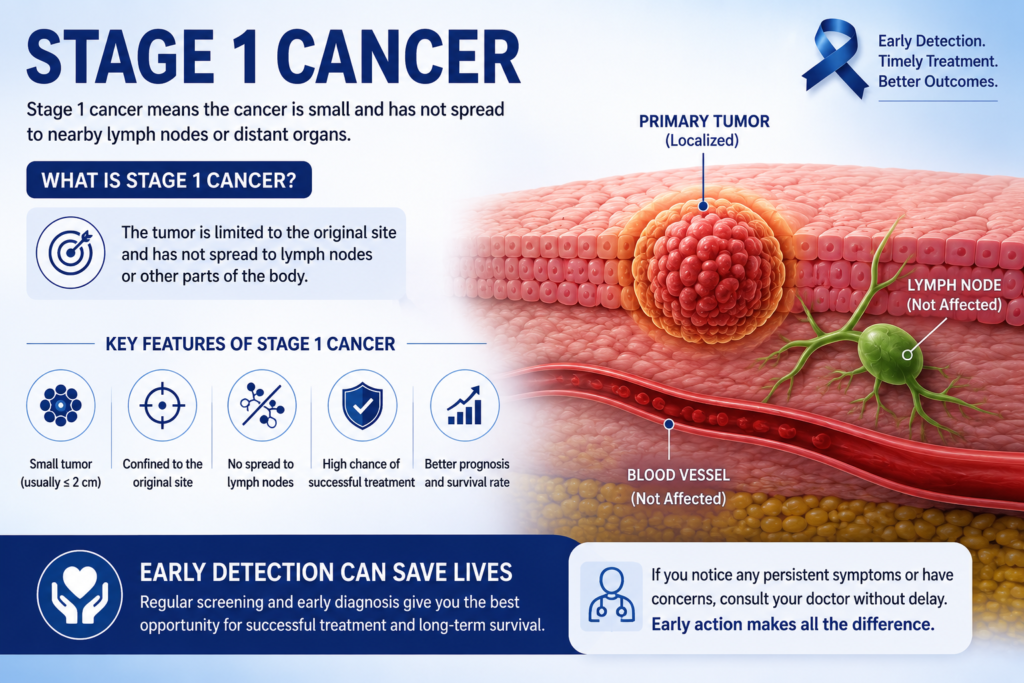
One reason patients frequently ask, “Can Stage 1 Cancer Be Cured?”, is because they assume all cancer stages have similar outcomes. In reality, they are very different.
- Stage 0: Abnormal cells are confined to their original location (carcinoma in situ).
- Stage 1: Cancer is small and localized with little or no lymph node involvement.
- Stage 2 and Stage 3: The tumour is larger and may have spread to nearby lymph nodes or surrounding tissues.
- Stage 4: Cancer has spread (metastasized) to distant organs such as the liver, lungs, bones, or brain.
Because Stage 1 cancer remains confined to its site of origin, treatment is often more straightforward and highly effective. Depending on the cancer type, surgery alone may be sufficient, while some patients may also benefit from radiation therapy, chemotherapy, targeted therapy, or immunotherapy.
Why Early Diagnosis Matters
As a Medical Oncologist, I cannot emphasize enough that early diagnosis saves lives. When patients ask me, “Can Stage 1 Cancer Be Cured?”, I explain that the answer depends largely on how early the cancer is detected and treated. Early-stage cancers are usually smaller, easier to remove, and less likely to have spread, resulting in higher cure rates and better long-term survival.
For many common cancers—including breast, colorectal, prostate, thyroid, cervical, and certain lung cancers—patients diagnosed at Stage 1 often have 5-year survival rates exceeding 90%, provided they receive timely, guideline-based treatment. Regular health check-ups, cancer screening programs, and paying attention to persistent symptoms play a crucial role in identifying cancer before it progresses.
Understanding what Stage 1 cancer means is the foundation for answering the question, “Can Stage 1 Cancer Be Cured?” In many cases, the answer is yes. Thanks to modern diagnostics, personalised treatment approaches, and advances in oncology, patients diagnosed at Stage 1 have an excellent chance of successful treatment and long-term survival when managed by an experienced Medical Oncologist.
Also Read: Is Blood Cancer Hereditary? – Dr. (Brig.) AK Dhar
Can Stage 1 Cancer Be Cured?
One of the most common and emotional questions I hear from patients after an early cancer diagnosis is, “Can Stage 1 Cancer Be Cured?” The uncertainty surrounding a cancer diagnosis often creates fear, but I always reassure my patients that Stage 1 cancer is one of the most treatable stages of the disease. In many cases, the answer to “Can Stage 1 Cancer Be Cured?” is yes, particularly when the cancer is diagnosed early and treated promptly using evidence-based therapies.
Over the past 35+ years as a Medical Oncologist, I have seen thousands of patients successfully complete treatment for Stage 1 cancers and return to healthy, productive lives. Modern advances in surgery, radiation therapy, chemotherapy, targeted therapy, immunotherapy, and precision oncology have dramatically improved survival rates for patients diagnosed at this early stage.
Is Stage 1 Cancer Curable?
The simple answer is yes, many Stage 1 cancers are potentially curable. Stage 1 means the cancer is small, localized, and has not spread extensively to nearby lymph nodes or distant organs. Because the disease is confined to its original site, doctors can often remove or destroy it completely before it has the opportunity to spread.
However, the answer to “Can Stage 1 Cancer Be Cured?” also depends on several factors, including the type of cancer, tumour biology, genetic characteristics, and the patient’s overall health. For example, Stage 1 breast, thyroid, prostate, colorectal, cervical, and certain lung cancers often have excellent outcomes when treated according to international guidelines.
Cure vs Remission
Patients often use the words “cure” and “remission” interchangeably, but medically they are not exactly the same.
A cure means that after treatment, there is no evidence of cancer, and the likelihood of it returning is extremely low. Although doctors are cautious about using the word “cure,” many patients with Stage 1 cancer remain cancer-free for the rest of their lives.
Remission, on the other hand, means the cancer has responded to treatment and is no longer detectable or has significantly reduced. Remission may be complete (no detectable cancer) or partial (the tumour has shrunk substantially). Patients in complete remission continue regular follow-up because cancer can occasionally recur, although the risk is generally much lower in Stage 1 disease.
Survival Rates and Prognosis
One reason I remain optimistic when discussing “Can Stage 1 Cancer Be Cured?” is the excellent survival statistics associated with early-stage cancers. According to the American Cancer Society and international cancer registries, many Stage 1 cancers have 5-year survival rates exceeding 90%, and some approach 95–99% when treated early.
Examples include:
- Stage 1 Breast Cancer: Around 99% 5-year relative survival.
- Stage 1 Prostate Cancer: Nearly 100% 5-year survival in localized disease.
- Stage 1 Thyroid Cancer: Often exceeds 98–99% long-term survival.
- Stage 1 Melanoma: Approximately 99% 5-year survival.
- Stage 1 Colorectal Cancer: Around 90–95% 5-year survival.
These figures demonstrate why early detection remains one of the strongest predictors of successful cancer treatment.
Factors Affecting Treatment Success
Although many patients ask, “Can Stage 1 Cancer Be Cured?”, the outcome varies from person to person. Several important factors influence treatment success, including:
- Type of cancer and its biological behaviour.
- Tumour size and exact location.
- Genetic and molecular characteristics of the cancer.
- Patient’s age and overall health.
- Timely diagnosis and prompt treatment.
- Access to advanced therapies such as targeted therapy, immunotherapy, and precision oncology.
- Adherence to follow-up care and recommended lifestyle modifications.
As a Medical Oncologist, my message is always one of hope. If you are asking, “Can Stage 1 Cancer Be Cured?”, remember that early-stage cancer offers one of the best chances for complete recovery. With accurate diagnosis, personalised treatment, and regular follow-up, many patients go on to live long, healthy, cancer-free lives. The key is not to delay evaluation or treatment, because early action can make all the difference.
Also Read: What is the ESR Level in Cancer Patients
Which Types of Stage 1 Cancer Have the Highest Cure Rates?
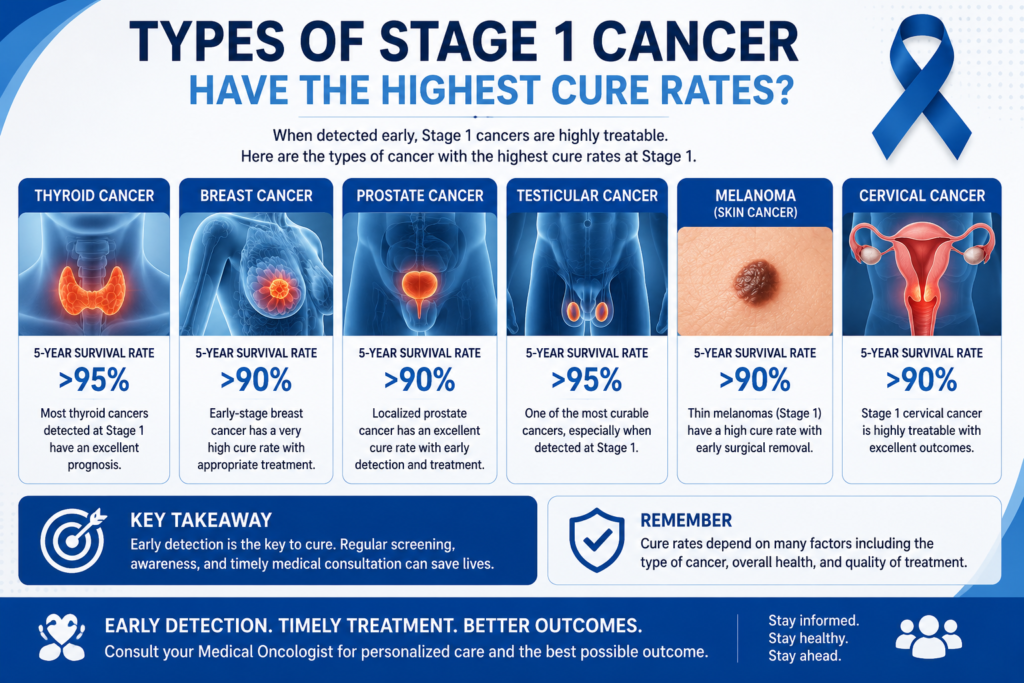
When patients ask me, “Can Stage 1 Cancer Be Cured?”, my answer is often encouraging because many cancers diagnosed at Stage 1 have excellent cure rates. At this stage, the tumour is usually small, localized, and has not spread to distant organs, allowing treatment to be more effective. However, it is important to remember that the answer to “Can Stage 1 Cancer Be Cured?” depends on the type of cancer, its biological behaviour, and how quickly treatment begins.
Thanks to advancements in early detection, precision diagnostics, minimally invasive surgery, targeted therapy, and immunotherapy, survival rates for several Stage 1 cancers have improved significantly over the past two decades. Below are some of the cancers that have the highest likelihood of successful treatment when diagnosed early.
Stage 1 Breast Cancer
Stage 1 breast cancer is one of the most treatable forms of cancer. The tumour is generally 2 cm or smaller and has either not spread to the lymph nodes or has only minimal involvement. Treatment often includes breast-conserving surgery or mastectomy, followed by radiation therapy and, when indicated, hormone therapy, chemotherapy, or targeted therapy.
According to the American Cancer Society, women diagnosed with localized breast cancer have an approximately 99% five-year relative survival rate, making it one of the strongest examples of why Can Stage 1 Cancer Be Cured? is often answered with yes.
Stage 1 Lung Cancer
Lung cancer is frequently diagnosed at an advanced stage because early disease often causes no symptoms. However, when detected at Stage 1, the cancer is confined to the lung and has not spread to lymph nodes. Surgery remains the primary treatment, although some patients benefit from radiation therapy or targeted therapy depending on their tumour profile.
Patients diagnosed with Stage 1 non-small cell lung cancer (NSCLC) have 5-year survival rates ranging from 70% to over 90%, particularly when the tumour is identified through low-dose CT screening.
Stage 1 Colon Cancer
Stage 1 colon cancer is limited to the inner layers of the colon wall and has not spread to nearby lymph nodes. In most cases, surgical removal of the affected portion of the colon is sufficient, and chemotherapy is usually not required.
Studies show that patients with Stage 1 colon cancer have a 5-year survival rate of approximately 90–95%, highlighting the importance of routine colonoscopy screening and early diagnosis.
Stage 1 Prostate Cancer
Many men diagnosed with Stage 1 prostate cancer have slow-growing disease that may even be managed with active surveillance before treatment becomes necessary. Depending on the patient’s age and tumour characteristics, treatment options include surgery, radiation therapy, or carefully monitored observation.
Localized prostate cancer has a nearly 100% five-year relative survival rate, making it one of the cancers with the most favourable outcomes.
Stage 1 Cervical Cancer
When cervical cancer is diagnosed early, treatment is highly effective. Depending on the patient’s age and fertility goals, management may involve conization, simple hysterectomy, or radical hysterectomy, with or without radiation therapy.
Because cervical cancer develops gradually from precancerous changes, regular Pap smears and HPV testing allow many cases to be detected before they become advanced. Early-stage cervical cancer has an excellent long-term prognosis, with survival rates often exceeding 90%.
Stage 1 Thyroid Cancer
Stage 1 thyroid cancer generally has one of the best outcomes among all cancers. Most patients are treated successfully with thyroid surgery, sometimes followed by radioactive iodine therapy depending on the subtype and individual risk factors.
The long-term survival rate for localized thyroid cancer is greater than 98–99%, allowing most patients to live completely normal lives after treatment.
Stage 1 Skin Cancer (Melanoma)
Melanoma is the most serious form of skin cancer, but when detected at Stage 1, it is usually confined to the skin. Early surgical removal often provides complete treatment without the need for chemotherapy or immunotherapy.
According to international cancer data, patients with Stage 1 melanoma have a 5-year survival rate of approximately 99%. This is why I always encourage people to seek medical evaluation for any changing mole or suspicious skin lesion.
As a Medical Oncologist, I reassure my patients that the question “Can Stage 1 Cancer Be Cured?” often has a positive answer because many Stage 1 cancers have cure rates exceeding 90% when diagnosed and treated early. While every patient is unique, advances in cancer screening, surgery, targeted therapy, immunotherapy, and precision oncology continue to improve outcomes across multiple cancer types. The most important step is not to ignore symptoms or delay screening, because early diagnosis offers the greatest opportunity for long-term survival and a cancer-free future.
Why Is Stage 1 Cancer Easier to Treat?
One of the most reassuring conversations I have with my patients is explaining why Stage 1 cancer is often easier to treat than advanced-stage disease. After hearing the diagnosis, many people immediately ask me, “Can Stage 1 Cancer Be Cured?” In many cases, my answer is encouraging because Stage 1 cancer is detected before it has had the opportunity to grow extensively or spread throughout the body.
Over my 35+ years of experience as a Medical Oncologist, I have witnessed remarkable outcomes in patients whose cancer was diagnosed early. The reason is simple—the earlier we detect cancer, the greater the chances of completely eliminating it. This is exactly why the question “Can Stage 1 Cancer Be Cured?” is frequently answered with optimism. Modern treatment approaches have made early-stage cancers more manageable than ever before.
Small Tumour Size
One of the biggest advantages of Stage 1 cancer is that the tumour is usually small. In many cancers, the tumour measures less than 2–4 cm, although the exact size depends on the type of cancer.
A smaller tumour offers several benefits:
- It is easier to remove completely through surgery.
- There is less damage to surrounding healthy tissue.
- Surgical procedures are often less extensive.
- Recovery tends to be faster with fewer complications.
Because the tumour is identified before it grows significantly, doctors have a better opportunity to achieve complete removal. This is one of the main reasons why patients asking “Can Stage 1 Cancer Be Cured?” often receive a positive answer.
Localized Disease
Another important reason Stage 1 cancer is easier to treat is that it remains localized, meaning it is confined to the organ where it first developed.
For example:
- Breast cancer remains within the breast.
- Colon cancer is limited to the colon wall.
- Lung cancer is confined to one area of the lung.
- Thyroid cancer remains within the thyroid gland.
When cancer is localized, treatment can focus directly on the affected area without the need to control disease throughout the body. In many cases, surgery alone or surgery combined with radiation therapy provides excellent long-term results.
No Spread to Lymph Nodes or Distant Organs
Perhaps the most significant reason why Stage 1 cancer has better outcomes is that it has not spread to distant organs and usually has little or no involvement of nearby lymph nodes.
Cancer becomes much more challenging to treat once it spreads through the bloodstream or lymphatic system to organs such as the:
- Liver
- Lungs
- Bones
- Brain
When the disease remains confined to its original location, doctors can target it more effectively, reducing the likelihood of recurrence and improving long-term survival. This explains why Can Stage 1 Cancer Be Cured? is a realistic question with a hopeful answer for many patients.
Better Response to Treatment
Stage 1 cancers generally respond more effectively to treatment because the number of cancer cells is relatively small and the disease has not become widespread.
Depending on the cancer type, treatment may include:
- Surgery
- Radiation therapy
- Chemotherapy (when indicated)
- Targeted therapy
- Immunotherapy
- Precision oncology
Advances in molecular diagnostics now allow us to personalise treatment based on the tumour’s genetic profile, improving outcomes while minimising unnecessary side effects.
According to the American Cancer Society and data from the National Cancer Institute, many localized cancers have 5-year survival rates exceeding 90%, with some—including localized prostate, thyroid, breast, and melanoma—approaching 99–100%. These statistics clearly demonstrate the value of early diagnosis and timely treatment.
As a Medical Oncologist, I always remind my patients that early detection is one of the greatest advantages in cancer care. If you are wondering, “Can Stage 1 Cancer Be Cured?”, the answer is often yes, because the cancer is small, localized, has not spread extensively, and responds exceptionally well to modern treatment. Seeking medical attention promptly, following the recommended treatment plan, and attending regular follow-up visits can significantly improve the chances of living a long, healthy, and cancer-free life.
What Are the Best Treatments for Stage 1 Cancer?
One of the first questions my patients ask after learning about their diagnosis is, “Can Stage 1 Cancer Be Cured?” Once we understand that the cancer is at an early stage, the next important discussion is about choosing the most effective treatment. The good news is that Stage 1 cancer is often highly treatable, and in many cases, the answer to “Can Stage 1 Cancer Be Cured?” is yes, provided the treatment is started promptly and tailored to the patient’s individual needs.
As a Medical Oncologist, I always explain that there is no one-size-fits-all treatment for cancer. The best treatment depends on several factors, including the type of cancer, its location, tumour size, molecular characteristics, age, overall health, and personal preferences. Modern oncology focuses on delivering the right treatment to the right patient at the right time, ensuring the best possible outcomes while preserving quality of life.
Surgery
For many Stage 1 cancers, surgery is the primary and most effective treatment. Since the tumour is usually small and confined to one area, surgeons can often remove it completely with clear margins.
Examples include:
- Lumpectomy or mastectomy for breast cancer
- Lobectomy for early-stage lung cancer
- Colectomy for colon cancer
- Thyroidectomy for thyroid cancer
- Prostatectomy for prostate cancer
- Wide local excision for melanoma
In several Stage 1 cancers, surgery alone may be sufficient, eliminating the need for additional treatment. This is one of the key reasons why patients asking “Can Stage 1 Cancer Be Cured?” can often be reassured with confidence.
Radiation Therapy
Radiation therapy uses high-energy beams to destroy cancer cells while preserving as much healthy tissue as possible. It is commonly recommended:
- After breast-conserving surgery
- As the primary treatment for selected prostate cancers
- For certain head and neck cancers
- When surgery is not medically suitable
Modern techniques such as Intensity-Modulated Radiation Therapy (IMRT) and Image-Guided Radiation Therapy (IGRT) allow highly accurate treatment with fewer side effects than older radiation methods.
Chemotherapy (When Needed)
Not every patient with Stage 1 cancer requires chemotherapy. Whether chemotherapy is beneficial depends on the risk of recurrence and the biological behaviour of the tumour.
For example, chemotherapy may be recommended in:
- High-risk Stage 1 breast cancer
- Certain aggressive lung cancers
- Selected colorectal cancers with high-risk features
Advances in genomic testing now help identify patients who are most likely to benefit, preventing unnecessary chemotherapy for many individuals.
Targeted Therapy
Targeted therapy has transformed cancer treatment by attacking specific genetic mutations or proteins that drive cancer growth rather than affecting all rapidly dividing cells.
Examples include:
- HER2-targeted therapy in HER2-positive breast cancer
- EGFR inhibitors in selected lung cancers
- BRAF-targeted therapy in melanoma
Compared with conventional chemotherapy, targeted therapies often provide greater precision with fewer systemic side effects for appropriately selected patients.
Immunotherapy
Immunotherapy works by strengthening the body’s own immune system to recognise and destroy cancer cells. While it is more commonly used in advanced cancers, it is increasingly being incorporated into the treatment of selected early-stage cancers.
Today, immunotherapy has shown significant benefits in certain cases of:
- Melanoma
- Non-small cell lung cancer
- Triple-negative breast cancer
Ongoing research continues to expand its role in early-stage cancer management.
Precision Oncology
One of the most exciting developments in modern cancer care is Precision Oncology. Instead of treating every patient the same way, we analyse the tumour’s genetic and molecular profile to identify therapies that are most likely to be effective.
Precision Oncology allows us to:
- Select the most appropriate treatment
- Avoid ineffective therapies
- Reduce unnecessary side effects
- Improve long-term treatment outcomes
This personalised approach has become an essential part of cancer care for many patients.
Personalized Treatment Planning
As a Medical Oncologist, I firmly believe that every patient deserves an individualised treatment plan. Even when two people have the same Stage 1 cancer, their treatment recommendations may differ based on:
- Cancer type and stage
- Tumour genetics and biomarkers
- Age and overall health
- Existing medical conditions
- Fertility and lifestyle considerations
- Patient preferences and treatment goals
This multidisciplinary approach often involves collaboration between medical oncologists, surgical oncologists, radiation oncologists, pathologists, radiologists, and genetic counsellors to ensure the best possible care.
If you are wondering, “Can Stage 1 Cancer Be Cured?”, it is important to remember that early-stage cancer offers one of the highest chances of successful treatment. Thanks to advances in surgery, radiation therapy, chemotherapy, targeted therapy, immunotherapy, and Precision Oncology, many Stage 1 cancers can be treated effectively, with excellent long-term survival rates. My goal is always to provide personalised, evidence-based treatment that not only targets the cancer but also helps my patients return to healthy, fulfilling lives with confidence and hope.
What Factors Affect Whether Stage 1 Cancer Can Be Cured?
One of the most important conversations I have with my patients begins with the question, “Can Stage 1 Cancer Be Cured?” While early-stage cancer generally offers an excellent chance of successful treatment, I always explain that no two patients are exactly alike. The answer to “Can Stage 1 Cancer Be Cured?” depends on several medical and personal factors that influence how the cancer behaves and how well it responds to treatment.
Over my 35+ years of experience as a Medical Oncologist, I have learned that achieving the best outcomes requires more than simply identifying cancer at an early stage. We carefully evaluate the type of cancer, tumour biology, genetic profile, patient’s overall health, timing of treatment, and lifestyle factors before developing a personalised treatment plan. Understanding these factors helps patients make informed decisions and sets realistic expectations for recovery.
Type of Cancer
The type of cancer is one of the strongest predictors of treatment success. Some cancers naturally grow slowly and respond exceptionally well to treatment, while others are more aggressive even when diagnosed early.
For example:
- Stage 1 thyroid cancer has a long-term survival rate of over 98–99%.
- Localized prostate cancer has a nearly 100% five-year survival rate.
- Stage 1 breast cancer has an approximately 99% five-year relative survival rate.
- Stage 1 melanoma also has survival rates approaching 99%.
- Early-stage lung and colorectal cancers can also achieve excellent outcomes when treated promptly.
This is why, when patients ask “Can Stage 1 Cancer Be Cured?”, my answer depends first on understanding which type of cancer we are treating.
Tumour Biology
Beyond the stage itself, how the tumour behaves biologically plays a crucial role.
Some cancers are slow-growing (low-grade), while others are high-grade and more aggressive. We also evaluate features such as:
- Tumour grade
- Growth rate
- Cell differentiation
- Presence of lymphovascular invasion
- Hormone receptor status (in breast cancer)
- Protein expression and molecular markers
Two patients with the same Stage 1 diagnosis may require different treatments because their tumours behave differently. This is why modern oncology focuses on treating the biology of the cancer—not just its size.
Patient’s Age and Overall Health
A patient’s general health significantly influences treatment outcomes.
Before recommending treatment, I assess:
- Age
- Heart and lung function
- Kidney and liver health
- Diabetes or other chronic illnesses
- Nutritional status
- Physical fitness
Patients who are otherwise healthy often recover more quickly from surgery and tolerate treatments such as chemotherapy or radiation therapy better. However, even older adults can achieve excellent results when treatment is carefully planned according to their overall health rather than age alone.
Genetic Mutations
One of the greatest advances in oncology has been our ability to study the genetic makeup of cancer cells.
Certain genetic alterations can influence:
- How aggressively a tumour behaves.
- Which treatments are most effective.
- The likelihood of recurrence.
- Eligibility for targeted therapies.
For example, mutations involving EGFR in lung cancer or HER2 in breast cancer help us select highly effective targeted treatments. Similarly, inherited mutations such as BRCA1 and BRCA2 may influence treatment strategies and screening recommendations for family members.
By incorporating molecular testing into routine care, we can personalise treatment and improve outcomes for many patients with Stage 1 cancer.
Early Treatment
One factor that patients can directly influence is how quickly they begin treatment after diagnosis.
Delaying treatment allows cancer more time to grow or spread. Numerous studies have shown that timely treatment is associated with better survival and lower recurrence rates, particularly in early-stage cancers.
Whether treatment involves surgery, radiation therapy, chemotherapy, or targeted therapy, following the recommended treatment timeline gives patients the best chance of achieving a complete recovery. This is one of the key reasons why “Can Stage 1 Cancer Be Cured?” is often answered positively when patients seek medical care without delay.
Lifestyle Factors
Treatment does not end in the operating room or chemotherapy suite. Healthy lifestyle choices play an important role in supporting recovery and reducing the risk of cancer recurrence.
I encourage my patients to:
- Maintain a healthy body weight.
- Eat a balanced diet rich in fruits, vegetables, whole grains, and lean protein.
- Exercise regularly according to their ability.
- Avoid tobacco in all forms.
- Limit alcohol consumption.
- Get adequate sleep and manage stress.
- Attend all scheduled follow-up appointments and screenings.
Research from organisations such as the World Cancer Research Fund suggests that healthy lifestyle habits can improve overall health and may lower the risk of developing certain cancers or experiencing recurrence after treatment.
As a Medical Oncologist, I always remind my patients that early diagnosis is only the beginning of successful cancer care. If you are wondering, “Can Stage 1 Cancer Be Cured?”, the answer is often yes, but success depends on several important factors working together. The type of cancer, tumour biology, genetic characteristics, overall health, timely treatment, and healthy lifestyle choices all contribute to long-term outcomes. With personalised treatment, close follow-up, and modern advances in oncology, many patients diagnosed with Stage 1 cancer go on to live long, healthy, and cancer-free lives.
What Are the Symptoms of Stage 1 Cancer?
One of the most challenging aspects of cancer is that Stage 1 cancer often develops silently. Many of my patients are surprised when I tell them that they had early-stage cancer despite feeling completely healthy. Naturally, one of the questions they ask is, “Can Stage 1 Cancer Be Cured?” The encouraging answer is that many Stage 1 cancers are highly curable, especially because they are detected before they spread. However, the lack of obvious symptoms also highlights why regular health check-ups and cancer screening are so important.
As a Medical Oncologist, I always explain that early detection saves lives. According to the World Health Organization (WHO), between 30% and 50% of cancers can be prevented or detected early, significantly improving treatment outcomes. Understanding the warning signs—and recognising that some cancers cause no symptoms at all—can make a life-saving difference. This is one of the reasons why the question “Can Stage 1 Cancer Be Cured?” is often answered positively when cancer is diagnosed early.
Why Stage 1 Cancer Often Has No Symptoms
Stage 1 cancer is typically small and confined to its organ of origin. Because the tumour has not grown large enough to interfere with nearby tissues, nerves, or organs, it often causes few or no noticeable symptoms.
For example:
- An early breast tumour may be too small to feel.
- Stage 1 colon cancer may not affect bowel function.
- Early lung cancer may not cause coughing or breathing difficulties.
- Thyroid cancer often presents as a small, painless nodule discovered during a routine examination.
- Early prostate cancer frequently causes no urinary symptoms and is detected through PSA testing.
This is why many Stage 1 cancers are diagnosed during routine screening tests, health check-ups, or imaging performed for unrelated medical conditions rather than because of symptoms.
Early Warning Signs to Watch For
Although Stage 1 cancer may not always produce symptoms, certain persistent changes in your body should never be ignored. These symptoms do not necessarily mean you have cancer, but they do warrant medical evaluation if they continue for several weeks.
Common warning signs include:
- A lump or swelling anywhere in the body, especially in the breast, neck, or groin.
- Unexplained weight loss without changes in diet or exercise.
- Persistent fatigue that does not improve with rest.
- Changes in bowel or bladder habits.
- Blood in the stool, urine, or persistent abnormal bleeding.
- A chronic cough or hoarseness lasting more than three weeks.
- Difficulty swallowing or persistent indigestion.
- A mole or skin lesion that changes in size, shape, colour, or begins to bleed.
- Non-healing sores or ulcers.
- Persistent pain that has no obvious cause.
Many of these symptoms are more likely to be caused by non-cancerous conditions, but only a proper medical evaluation can determine the cause.
When to Consult a Doctor
As a Medical Oncologist, my advice is simple: do not wait for symptoms to become severe. One of the biggest reasons patients achieve excellent outcomes is that they seek medical attention early. If you experience any unusual symptom lasting more than two to three weeks, or if you notice unexplained changes in your body, consult a doctor promptly.
You should also speak with a healthcare professional if you:
- Have a strong family history of cancer.
- Carry inherited genetic mutations such as BRCA1, BRCA2, or Lynch syndrome.
- Smoke or have significant tobacco exposure.
- Have chronic hepatitis, HPV infection, or other cancer-related risk factors.
- Are due for age-appropriate cancer screening, such as mammography, colonoscopy, Pap smear, HPV testing, or low-dose CT screening for high-risk individuals.
Regular screening is particularly important because it can identify cancers before symptoms appear, when treatment is most effective.
Whenever patients ask me, “Can Stage 1 Cancer Be Cured?”, I remind them that early diagnosis offers the greatest chance of complete recovery. Stage 1 cancer often causes few or no symptoms, which is why routine screening and paying attention to persistent changes in your body are so important. With timely diagnosis, personalised treatment, and regular follow-up, many patients diagnosed at this early stage go on to live long, healthy, and cancer-free lives. Never ignore warning signs or postpone medical evaluation—acting early can make all the difference.
How Is Stage 1 Cancer Diagnosed?
One of the most common questions I hear in my clinic is, “Can Stage 1 Cancer Be Cured?” Before we can answer that, we must first diagnose the cancer accurately. Early diagnosis is the foundation of successful cancer treatment. In fact, the reason many patients achieve excellent outcomes is because their cancer is detected before it has spread beyond its original site.
As a Medical Oncologist, I always explain that diagnosing Stage 1 cancer is not based on a single test. Instead, it involves a combination of medical history, physical examination, laboratory investigations, advanced imaging, tissue biopsy, and molecular testing. Each step provides valuable information that helps us determine the exact type, stage, and behaviour of the cancer, allowing us to create the most effective treatment plan. This is one of the key reasons why the answer to “Can Stage 1 Cancer Be Cured?” is often encouraging when the disease is identified early.
Medical History
Every diagnosis begins with a detailed discussion about the patient’s health. I carefully ask about:
- Current symptoms and when they started
- Family history of cancer
- Smoking or tobacco use
- Alcohol consumption
- Occupational or environmental exposures
- Previous illnesses and surgeries
- Existing medical conditions
- Current medications
A thorough medical history helps identify risk factors and determines which investigations may be needed. For patients with a strong family history, genetic counselling and additional screening may also be recommended.
Physical Examination
A comprehensive physical examination remains one of the most important parts of cancer diagnosis.
During the examination, I look for:
- Unusual lumps or swelling
- Enlarged lymph nodes
- Changes in the skin or moles
- Breast abnormalities
- Abdominal masses
- Signs affecting the mouth, throat, or neck
Although Stage 1 cancers are often too small to be detected during a physical examination, careful clinical assessment frequently provides valuable clues that guide further testing.
Blood Tests
Blood tests alone cannot diagnose most cancers, but they provide important information about a patient’s overall health and can support the diagnostic process.
Common blood investigations include:
- Complete Blood Count (CBC)
- Liver Function Tests (LFT)
- Kidney Function Tests (KFT)
- Blood sugar and electrolyte levels
- Inflammatory markers
For certain cancers, tumour markers may also be helpful, such as:
- PSA for prostate cancer
- CA-125 for ovarian cancer
- CEA for colorectal cancer
- AFP for liver and germ cell tumours
However, I always remind patients that tumour markers are not screening tests and should never be interpreted without clinical evaluation and imaging.
Imaging (CT, MRI, PET-CT)
Modern imaging technology has revolutionised the early detection of cancer. These scans help us determine the size, location, and extent of the tumour, which is essential for staging.
Common imaging studies include:
- CT (Computed Tomography): Evaluates organs such as the lungs, liver, abdomen, and pelvis.
- MRI (Magnetic Resonance Imaging): Provides highly detailed images of soft tissues, including the brain, spine, breast, liver, and prostate.
- PET-CT (Positron Emission Tomography-CT): Detects areas of increased metabolic activity and helps identify whether cancer has spread beyond the primary tumour.
In addition, ultrasound, mammography, colonoscopy, bronchoscopy, and endoscopy may be recommended depending on the suspected type of cancer.
Accurate imaging is critical because confirming that the disease remains localized is an important step in answering “Can Stage 1 Cancer Be Cured?”
Biopsy
A biopsy is the gold standard for diagnosing cancer. No matter how suspicious a scan appears, a definitive diagnosis usually requires examining a tissue sample under the microscope.
Depending on the location of the tumour, a biopsy may be performed using:
- Needle biopsy
- Core biopsy
- Endoscopic biopsy
- Surgical biopsy
A pathologist evaluates the tissue to determine:
- Whether cancer is present
- The exact cancer type
- Tumour grade
- Cellular characteristics
- Additional features that influence treatment decisions
Only after confirming the diagnosis through biopsy can we accurately stage the cancer and develop the most appropriate treatment plan.
Molecular and Genetic Testing
One of the most significant advances in modern oncology is molecular and genetic testing. Today, we do far more than simply identify the cancer—we analyse its genetic and molecular profile to understand how it behaves.
These tests help identify:
- Gene mutations such as EGFR, ALK, KRAS, BRAF, and HER2
- Biomarkers that predict response to targeted therapy or immunotherapy
- Inherited mutations such as BRCA1, BRCA2, and Lynch syndrome
- The risk of recurrence and disease progression
This information enables us to practice Precision Oncology, where treatment is personalised according to the biology of the tumour rather than relying solely on its stage.
As a Medical Oncologist, I always emphasise that accurate diagnosis is the first and most important step toward successful treatment. If you are wondering, “Can Stage 1 Cancer Be Cured?”, remember that timely diagnosis through medical history, physical examination, blood tests, advanced imaging, biopsy, and molecular testing gives us the best opportunity to detect cancer before it spreads. With today’s diagnostic technologies and personalised treatment approaches, many Stage 1 cancers can be treated successfully, offering patients an excellent chance of long-term survival and a cancer-free future.
Can Stage 1 Cancer Come Back After Treatment?
One of the questions I am asked most often after successful treatment is, “Can Stage 1 Cancer Come Back After Treatment?” Patients are understandably relieved when their treatment is completed, but they also worry about the possibility of the cancer returning. Another common concern is, “Can Stage 1 Cancer Be Cured?” The reassuring news is that many Stage 1 cancers are successfully treated and never return. However, no doctor can guarantee that cancer will never recur, which is why long-term follow-up remains an essential part of cancer care.
As a Medical Oncologist, I always explain that recurrence does not happen in every patient. In fact, because Stage 1 cancer is diagnosed early—before it has spread extensively—the risk of recurrence is generally much lower than in Stage 2, Stage 3, or Stage 4 cancers. Modern advances in surgery, radiation therapy, targeted therapy, immunotherapy, and precision oncology have further reduced recurrence rates for many early-stage cancers.
Understanding Recurrence
Cancer recurrence means that the cancer returns after treatment, either in the same location or elsewhere in the body. This can happen if a small number of cancer cells remain in the body despite successful treatment. These cells may stay inactive for months or even years before growing again.
Recurrence is generally classified into three types:
- Local recurrence: Cancer returns in the same organ or original site.
- Regional recurrence: Cancer appears in nearby lymph nodes or surrounding tissues.
- Distant recurrence (metastatic recurrence): Cancer spreads to organs such as the lungs, liver, bones, or brain.
Fortunately, patients diagnosed with Stage 1 cancer have a significantly lower risk of recurrence than those diagnosed at more advanced stages. This is another reason why the answer to “Can Stage 1 Cancer Be Cured?” is often encouraging when treatment begins early.
Factors That Increase Recurrence Risk
Although Stage 1 cancer has an excellent prognosis, certain factors can increase the likelihood of recurrence.
These include:
- Type of cancer: Some cancers are naturally more aggressive than others.
- High-grade tumours: Faster-growing cancers may have a greater chance of returning.
- Positive surgical margins: Cancer cells remaining after surgery can increase recurrence risk.
- Lymphovascular invasion: Cancer cells found in blood vessels or lymphatic channels may indicate a higher risk.
- Genetic and molecular characteristics: Certain mutations can make cancers more aggressive.
- Incomplete treatment: Skipping recommended radiation therapy, chemotherapy, hormone therapy, or targeted therapy may increase recurrence risk.
- Smoking and tobacco use: Particularly important in lung, head and neck, and bladder cancers.
- Obesity, poor diet, physical inactivity, and excessive alcohol consumption: These lifestyle factors may contribute to recurrence in several cancer types.
Research published by the National Cancer Institute and other leading oncology organisations shows that following the complete treatment plan and maintaining a healthy lifestyle can significantly improve long-term outcomes.
Importance of Regular Follow-Up
One of the biggest mistakes I see is patients believing that treatment ends after surgery or chemotherapy. In reality, follow-up care is an essential part of cancer treatment.
Regular follow-up visits allow us to:
- Detect recurrence at the earliest possible stage.
- Monitor recovery from treatment.
- Manage any long-term side effects.
- Perform routine blood tests and imaging when necessary.
- Provide guidance on nutrition, exercise, and healthy living.
- Offer emotional and psychological support.
Depending on the type of cancer, follow-up may include:
- Physical examinations
- Blood investigations
- Mammography
- Colonoscopy
- CT scans or MRI
- PET-CT scans (when clinically indicated)
- Tumour marker tests for selected cancers
Most patients are reviewed every 3–6 months during the first few years, with visits becoming less frequent over time if there is no evidence of recurrence.
I also encourage my patients to immediately report any new or persistent symptoms such as unexplained weight loss, persistent pain, new lumps, unusual bleeding, chronic cough, or changes in bowel or bladder habits rather than waiting for their next appointment.
As a Medical Oncologist, I always reassure my patients that while there is a possibility that Stage 1 cancer can return, the risk is generally much lower than in advanced-stage cancers. If you are asking, “Can Stage 1 Cancer Be Cured?”, the answer is often yes, especially when the cancer is diagnosed early, treated completely, and followed with regular surveillance. Staying committed to follow-up appointments, adopting a healthy lifestyle, and seeking medical advice promptly if new symptoms develop are the best ways to protect your long-term health and maximise your chances of remaining cancer-free for life.
Can Stage 1 Cancer Be Prevented from Progressing?
One of the most reassuring aspects of an early diagnosis is that Stage 1 cancer is often highly treatable before it progresses to a more advanced stage. After hearing the diagnosis, many of my patients ask two important questions: “Can Stage 1 Cancer Be Cured?” and “Can Stage 1 Cancer Be Prevented from Progressing?” In many cases, the answer to both is yes, provided the cancer is treated promptly and patients remain committed to long-term care.
As a Medical Oncologist, I always explain that Stage 1 cancer is localized, meaning it has not spread significantly beyond its site of origin. This provides us with an invaluable opportunity to treat the disease before it becomes more complex. However, successful treatment does not end after surgery or medication. Preventing progression requires timely treatment, healthy lifestyle choices, regular monitoring, and adherence to follow-up care.
Importance of Early Treatment
The single most important factor in preventing Stage 1 cancer from progressing is starting treatment without unnecessary delay.
At Stage 1:
- The tumour is usually small.
- Cancer has little or no spread to nearby lymph nodes.
- Distant metastasis is absent.
- Treatment is generally less extensive and more effective.
According to the National Cancer Institute and the American Cancer Society, patients diagnosed and treated during the earliest stages often experience significantly better survival outcomes than those whose treatment is delayed. This is one of the primary reasons why the answer to “Can Stage 1 Cancer Be Cured?” is frequently positive when intervention occurs early.
Whether treatment involves surgery, radiation therapy, chemotherapy, targeted therapy, immunotherapy, or a combination of these approaches, beginning treatment at the right time greatly reduces the likelihood of cancer progression.
Healthy Lifestyle
Medical treatment is only one part of successful cancer care. I always encourage my patients to adopt healthy lifestyle habits that support recovery and improve overall well-being.
Important lifestyle recommendations include:
- Eat a balanced diet rich in fruits, vegetables, whole grains, and lean protein.
- Maintain a healthy body weight.
- Engage in regular physical activity, as advised by your healthcare team.
- Avoid smoking and all tobacco products.
- Limit alcohol consumption.
- Get adequate sleep and manage stress effectively.
Research from the World Cancer Research Fund (WCRF) suggests that maintaining a healthy weight, staying physically active, and following a nutritious diet may reduce the risk of recurrence for several common cancers while improving overall health.
Regular Screenings
Even after successful treatment, regular screening and surveillance remain essential.
Follow-up investigations help detect:
- Cancer recurrence.
- New primary cancers.
- Treatment-related complications.
- Changes that require early medical intervention.
Depending on the type of cancer, screening may include:
- Mammography
- Colonoscopy
- Pap smear and HPV testing
- PSA testing
- Low-dose CT scans for eligible patients
- Ultrasound, MRI, or CT imaging when clinically indicated
Detecting any abnormality at its earliest stage gives us the best opportunity to intervene before the disease progresses.
Following the Treatment Plan
One of the biggest contributors to successful outcomes is strictly following the recommended treatment plan.
This includes:
- Completing the full course of radiation therapy.
- Taking prescribed hormone therapy or targeted therapy exactly as directed.
- Attending chemotherapy sessions if recommended.
- Following post-operative care instructions.
- Reporting side effects promptly rather than stopping treatment independently.
Studies have consistently shown that patients who complete their recommended treatment have better disease-free survival and lower recurrence rates than those who discontinue therapy prematurely.
When patients ask me, “Can Stage 1 Cancer Be Cured?”, I remind them that successful treatment is a partnership between the medical team and the patient.
Long-Term Surveillance
Completing treatment does not mean cancer care is over. Long-term surveillance is one of the most effective ways to prevent Stage 1 cancer from progressing unnoticed.
During follow-up visits, I monitor:
- Physical recovery.
- Blood test results.
- Imaging findings when required.
- Possible treatment side effects.
- Signs of recurrence.
- Emotional and psychological well-being.
Most patients are reviewed every 3–6 months during the first few years, followed by annual visits depending on the cancer type and individual risk profile.
I also encourage patients to report any persistent symptoms such as unexplained weight loss, new lumps, abnormal bleeding, chronic cough, or ongoing pain without waiting for their scheduled appointment.
As a Medical Oncologist, I want every patient to know that early diagnosis provides a powerful opportunity to stop cancer before it progresses. If you are wondering, “Can Stage 1 Cancer Be Cured?”, the answer is often yes, especially when treatment begins promptly and is followed by healthy lifestyle choices, regular screenings, strict adherence to the treatment plan, and long-term surveillance. Modern oncology has made remarkable progress in treating early-stage cancer, and with personalised care and ongoing monitoring, many patients enjoy long, healthy, and cancer-free lives after Stage 1 cancer treatment.
Can Stage 1 Cancer Be Cured Without Surgery?
One of the most common concerns I hear from patients after an early cancer diagnosis is, “Can Stage 1 Cancer Be Cured Without Surgery?” Many people worry about undergoing an operation due to their age, other medical conditions, or fear of complications. They also ask, “Can Stage 1 Cancer Be Cured?” The encouraging answer is that while surgery remains the standard treatment for many Stage 1 cancers, it is not always the only option. In carefully selected patients, excellent outcomes can be achieved using other advanced treatment approaches.
As a Medical Oncologist, I always emphasise that the best treatment depends on the type of cancer, its location, molecular characteristics, and the patient’s overall health. Modern oncology has moved beyond a one-size-fits-all approach. Today, we can personalise treatment using advanced technologies such as precision medicine, targeted therapy, immunotherapy, and highly accurate radiation therapy. This means that for some patients, the answer to “Can Stage 1 Cancer Be Cured Without Surgery?” is yes.
When Surgery May Not Be Necessary
Although surgery is considered the first-line treatment for many early-stage cancers, there are situations where it may not be the best option.
Surgery may be avoided when:
- The patient has serious heart, lung, or kidney disease that makes surgery unsafe.
- The tumour is located in an area where surgery may significantly affect organ function.
- The patient is elderly or medically frail.
- The cancer responds exceptionally well to non-surgical treatments.
- The patient chooses a non-surgical approach after understanding all available options.
For example, some patients with early-stage prostate cancer may be managed with active surveillance, while selected patients with Stage 1 lung cancer who are not fit for surgery may achieve excellent outcomes with advanced radiation therapy.
The decision is always made after carefully balancing the benefits, risks, and expected quality of life.
Radiation as Primary Treatment
Radiation therapy has become one of the most effective alternatives to surgery for selected Stage 1 cancers.
Modern radiation techniques such as:
- Stereotactic Body Radiation Therapy (SBRT)
- Intensity-Modulated Radiation Therapy (IMRT)
- Image-Guided Radiation Therapy (IGRT)
allow doctors to deliver high doses of radiation directly to the tumour while minimising damage to surrounding healthy tissues.
Radiation may be the primary treatment for:
- Early-stage lung cancer in patients who cannot undergo surgery.
- Certain prostate cancers.
- Selected head and neck cancers.
- Some cervical cancers depending on the clinical situation.
Studies have shown that SBRT for Stage 1 non-small cell lung cancer can achieve local tumour control rates exceeding 90%, making it an excellent option for patients who are not surgical candidates.
Targeted Therapy and Immunotherapy
Advances in cancer research have introduced treatments that work by targeting specific molecular abnormalities or by helping the body’s immune system fight cancer.
Targeted therapy blocks proteins or genetic mutations responsible for tumour growth. Examples include:
- HER2-targeted therapy in breast cancer.
- EGFR inhibitors in lung cancer.
- BRAF-targeted therapy in melanoma.
Immunotherapy stimulates the immune system to recognise and destroy cancer cells. Although it is more commonly used in advanced cancers, it is increasingly being incorporated into the treatment of selected early-stage cancers, particularly:
- Melanoma.
- Non-small cell lung cancer.
- Triple-negative breast cancer.
These therapies are especially valuable for patients whose tumours have specific biomarkers identified through molecular testing.
Individualized Treatment Decisions
One of the greatest advances in modern oncology is the move toward individualised treatment planning. As a Medical Oncologist, I never recommend treatment based solely on the stage of cancer. Instead, I evaluate every patient comprehensively.
Before deciding whether surgery is necessary, I consider:
- Type and location of the cancer.
- Tumour size and grade.
- Molecular and genetic characteristics.
- Age and overall health.
- Existing medical conditions.
- Patient preferences and quality-of-life goals.
- Potential risks and expected treatment outcomes.
These decisions are often made through a multidisciplinary tumour board, where medical oncologists, surgical oncologists, radiation oncologists, radiologists, pathologists, and other specialists work together to determine the most appropriate treatment strategy.
This personalised approach ensures that every patient receives the treatment that offers the greatest chance of cure while minimising unnecessary risks.
As a Medical Oncologist, I always reassure my patients that if they are asking, “Can Stage 1 Cancer Be Cured Without Surgery?”, the answer is yes for selected patients, depending on the type of cancer and individual clinical circumstances. Likewise, when patients ask, “Can Stage 1 Cancer Be Cured?”, I explain that early-stage cancer offers one of the highest chances of successful treatment, whether through surgery, radiation therapy, targeted therapy, immunotherapy, or a carefully tailored combination of treatments. The most important step is to seek expert medical advice early so that the treatment plan is personalised to achieve the best possible outcome and long-term cancer-free survival.
Life After Stage 1 Cancer Treatment
Completing treatment for Stage 1 cancer is a significant milestone, and it is a moment worth celebrating. One of the first questions my patients ask after finishing treatment is, “Can Stage 1 Cancer Be Cured?” When I see their scans showing no evidence of disease, it is one of the most rewarding moments in my practice. For many patients, the answer to “Can Stage 1 Cancer Be Cured?” is yes, especially when the cancer has been diagnosed early and treated successfully. However, cancer recovery does not end with the last surgery, radiation session, or medication. The next phase focuses on healing, monitoring, and rebuilding a healthy life.
As a Medical Oncologist, I always remind my patients that life after cancer is about much more than surviving—it is about thriving. Advances in cancer care have dramatically improved outcomes. According to the American Cancer Society, there are now more than 18 million cancer survivors in the United States, and this number continues to grow because of earlier diagnosis and better treatments. Many of these survivors were diagnosed with early-stage cancers and have returned to active, fulfilling lives.
Recovery
Recovery after Stage 1 cancer treatment varies depending on the type of cancer and the treatment received.
Some patients recover within a few weeks after surgery, while others may take several months if they have undergone radiation therapy, chemotherapy, or targeted therapy.
During recovery, it is common to experience:
- Temporary fatigue
- Mild pain or discomfort
- Reduced stamina
- Changes in appetite
- Sleep disturbances
- Temporary emotional stress
I always encourage my patients to be patient with themselves. Healing takes time, and every individual’s recovery journey is unique. Gradually increasing daily activities while following medical advice helps restore strength safely.
Follow-Up Care
Even after successful treatment, regular follow-up care remains essential. Completing treatment does not mean your cancer journey is completely over.
During follow-up visits, I monitor:
- Physical recovery
- Signs of cancer recurrence
- Long-term treatment side effects
- Blood test results
- Imaging studies when required
- Overall health and quality of life
Most patients are reviewed every 3–6 months during the first few years, with appointments becoming less frequent over time if there is no evidence of recurrence.
Follow-up care allows us to identify any problems early, when they are most manageable.
Nutrition and Exercise
One of the best ways to support long-term recovery is by maintaining a healthy lifestyle.
I advise my patients to:
- Eat plenty of fruits and vegetables.
- Include whole grains and lean protein in daily meals.
- Stay well hydrated.
- Limit processed foods and sugary beverages.
- Avoid smoking and tobacco products.
- Restrict alcohol intake.
Regular physical activity is equally important. The American Cancer Society recommends that cancer survivors aim for 150–300 minutes of moderate exercise per week, along with muscle-strengthening activities on at least two days weekly, whenever medically appropriate.
Exercise helps:
- Improve energy levels.
- Maintain a healthy weight.
- Strengthen the heart and muscles.
- Reduce fatigue.
- Improve mood and sleep quality.
- Lower the risk of several chronic diseases.
Emotional Well-Being
Recovering emotionally is just as important as recovering physically.
Even after successful treatment, many patients experience:
- Fear of recurrence
- Anxiety before follow-up appointments
- Depression
- Difficulty returning to daily routines
- Changes in self-confidence
These feelings are completely understandable. I encourage patients to speak openly with their healthcare team, family, or support groups. Counselling, mindfulness, relaxation techniques, and support from loved ones can make a significant difference in emotional recovery.
Remember, asking for emotional support is a sign of strength—not weakness.
Returning to Normal Life
One of the most satisfying moments for both patients and doctors is seeing life gradually return to normal.
Most patients treated for Stage 1 cancer can eventually return to:
- Work or business
- Family responsibilities
- Social activities
- Travel
- Exercise and hobbies
- Personal goals and future plans
The timeline varies from person to person, but with proper medical guidance, most individuals regain their independence and quality of life.
I always encourage patients not to measure recovery against someone else’s journey. Instead, focus on small, steady improvements and celebrate every milestone along the way.
As a Medical Oncologist, one of the greatest privileges of my career is seeing patients move beyond cancer and embrace life again. If you are asking, “Can Stage 1 Cancer Be Cured?”, the answer is often yes, and many people go on to live long, healthy, and productive lives after treatment. The key to long-term success is continuing follow-up care, maintaining a healthy lifestyle, prioritising emotional well-being, and staying proactive about your health. Life after Stage 1 cancer is not just about surviving—it is about living with confidence, hope, and a renewed appreciation for every day.
When Should You Consult a Medical Oncologist?
One of the questions I often hear is, “When should I see a Medical Oncologist?” Many people believe they only need to consult an oncologist after cancer has reached an advanced stage. However, this is a common misconception. If you have symptoms that raise concern, have recently been diagnosed with cancer, or need guidance on treatment options, consulting a Medical Oncologist at the right time can make a significant difference.
Patients who ask, “Can Stage 1 Cancer Be Cured?” are often relieved to learn that many Stage 1 cancers have an excellent chance of cure, especially when expert evaluation and treatment begin early. As a Medical Oncologist with over 35 years of experience treating more than 30,000 patients, I believe that timely consultation allows us to diagnose accurately, personalise treatment, and achieve the best possible outcomes.
Suspicious Symptoms
Not every unusual symptom is caused by cancer, but some warning signs should never be ignored. If symptoms persist for more than two to three weeks, it is important to seek medical advice.
You should consult a Medical Oncologist if you experience:
- A new lump or swelling anywhere in the body.
- Unexplained weight loss.
- Persistent fatigue without a clear cause.
- Blood in the stool, urine, or sputum.
- Persistent cough or hoarseness.
- Difficulty swallowing.
- Changes in bowel or bladder habits.
- A mole that changes in size, colour, or shape.
- Non-healing sores or ulcers.
- Persistent pain with no obvious explanation.
While these symptoms may have non-cancerous causes, early evaluation helps rule out serious conditions and ensures prompt treatment if cancer is diagnosed.
Newly Diagnosed Stage 1 Cancer
If you have recently been diagnosed with Stage 1 cancer, do not delay consulting a Medical Oncologist.
Early consultation helps:
- Confirm the diagnosis and stage.
- Review pathology and imaging reports.
- Determine whether additional investigations are required.
- Discuss all available treatment options.
- Explain expected outcomes and possible side effects.
- Coordinate care with surgeons, radiation oncologists, and other specialists.
The sooner treatment planning begins, the greater the opportunity to prevent disease progression. This is one of the reasons why the answer to “Can Stage 1 Cancer Be Cured?” is often encouraging.
Second Opinion
Seeking a second opinion is a sensible and widely accepted part of cancer care. It can provide reassurance that the diagnosis and treatment plan are appropriate or present additional treatment options that may not have been considered initially.
A second opinion may be especially valuable when:
- The diagnosis is uncommon or complex.
- Multiple treatment options are available.
- You are considering major surgery.
- Advanced therapies such as immunotherapy or targeted therapy are being recommended.
- You simply want greater confidence before starting treatment.
Most oncologists welcome second opinions because the goal is always to help patients make informed decisions.
Personalized Treatment Planning
Cancer treatment today is highly individualised. Two patients with the same Stage 1 cancer may require different treatment strategies based on the biology of their tumour and their overall health.
As a Medical Oncologist, I evaluate factors such as:
- Cancer type and stage.
- Tumour grade.
- Molecular and genetic markers.
- Age and general health.
- Existing medical conditions.
- Personal treatment goals and lifestyle.
Using Precision Oncology, we can tailor treatment to the unique characteristics of both the patient and the tumour. This personalised approach improves treatment effectiveness while minimising unnecessary side effects.
Follow-Up After Treatment
Your relationship with a Medical Oncologist should continue even after treatment has been completed.
Regular follow-up appointments help us:
- Detect recurrence at the earliest possible stage.
- Monitor recovery and long-term health.
- Manage treatment-related side effects.
- Recommend appropriate screening tests.
- Provide guidance on nutrition, exercise, and healthy living.
- Offer emotional support and answer ongoing questions.
Most patients are reviewed every 3–6 months during the first few years, with the schedule adjusted according to the type of cancer and individual risk factors.
As a Medical Oncologist, I always encourage patients not to wait until symptoms become severe before seeking specialist advice. If you are experiencing suspicious symptoms, have been diagnosed with Stage 1 cancer, want a second opinion, or need a personalised treatment plan, consulting an experienced oncologist early can make a meaningful difference. If you are asking, “Can Stage 1 Cancer Be Cured?”, remember that early expert evaluation, timely treatment, and regular follow-up provide the best opportunity for long-term recovery and a healthy, cancer-free future.
Why Choose Dr. (Brig.) Anil Kumar Dhar for Stage 1 Cancer Treatment?
Hearing the words “You have cancer” can be overwhelming, even when it is diagnosed at an early stage. One of the first questions patients ask is, “Can Stage 1 Cancer Be Cured?” The good news is that many Stage 1 cancers have an excellent chance of cure, particularly when diagnosed early and treated by an experienced cancer specialist. Choosing the right Medical Oncologist is one of the most important decisions you can make, as expert guidance can influence every step of your cancer journey—from diagnosis and treatment to recovery and long-term follow-up.
As a Dr. (Brig.) AK Dhar Senior Medical Oncologist and Bone Marrow Transplant Specialist, my commitment has always been to provide evidence-based, personalised, and compassionate cancer care. With more than 35 years of experience and over 30,000 patients treated, I have had the privilege of helping thousands of individuals overcome cancer and return to healthy, fulfilling lives.
35+ Years of Experience
Experience plays a crucial role in cancer treatment. Over the past three and a half decades, I have managed a wide spectrum of cancers, ranging from early-stage disease to complex and advanced cases.
My experience enables me to:
- Make accurate treatment decisions.
- Interpret complex diagnostic findings.
- Recommend the most appropriate therapies.
- Anticipate and manage treatment-related side effects.
- Provide long-term guidance throughout the cancer journey.
Every patient receives care based on the latest scientific evidence combined with decades of clinical expertise.
30,000+ Patients Treated
Treating more than 30,000 cancer patients has given me valuable insight into the unique challenges each individual faces.
No two cancers—and no two patients—are exactly alike. This experience allows me to develop treatment plans that consider not only the disease but also the patient’s overall health, lifestyle, family needs, and personal goals.
My objective is always to deliver treatment that offers the best possible outcome while maintaining quality of life.
Senior Medical Oncologist
As a Senior Medical Oncologist, I specialise in the diagnosis and medical management of both solid tumours and blood cancers.
My role includes:
- Confirming diagnosis and staging.
- Planning personalised treatment strategies.
- Administering chemotherapy, targeted therapy, immunotherapy, and precision oncology.
- Coordinating multidisciplinary cancer care.
- Monitoring treatment response.
- Providing long-term follow-up and survivorship care.
From the moment of diagnosis to life after treatment, I remain actively involved in every stage of patient care.
Expertise Across Multiple Cancer Types
My clinical expertise covers a broad range of cancers, including:
- Breast cancer
- Lung cancer
- Colorectal cancer
- Prostate cancer
- Ovarian cancer
- Cervical cancer
- Head and neck cancers
- Gastrointestinal cancers
- Leukemia
- Lymphoma
- Multiple Myeloma
- Other blood disorders requiring Bone Marrow Transplantation
This comprehensive experience allows me to provide specialised care across a wide spectrum of cancer diagnoses, including early-stage cancers with high cure potential.
Advanced Therapies
Cancer treatment has evolved significantly over the past decade. My practice incorporates the latest evidence-based therapies to ensure patients receive the most effective and least invasive treatment whenever possible.
Available treatment options include:
- Chemotherapy
- Targeted Therapy
- Immunotherapy
- Hormone Therapy
- Precision Oncology
- Bone Marrow Transplantation
- Supportive and survivorship care
Each treatment recommendation is based on international clinical guidelines and the latest advances in oncology.
Precision Oncology
Modern cancer care is increasingly focused on Precision Oncology, where treatment is tailored according to the unique biology of each tumour.
Using advanced molecular and genetic testing, I evaluate:
- Genetic mutations.
- Tumour biomarkers.
- Molecular characteristics.
- Risk of recurrence.
- Likelihood of response to specific therapies.
This personalised approach helps maximise treatment effectiveness while reducing unnecessary side effects, ensuring every patient receives the therapy best suited to their cancer.
Personalized Patient-Centred Care
Cancer treatment is not only about treating the disease—it is about caring for the person behind the diagnosis.
I believe every patient deserves:
- Clear communication and honest guidance.
- Individualised treatment planning.
- Compassionate support throughout treatment.
- Access to the latest medical advances.
- Respect for their preferences and quality-of-life goals.
Working closely with a multidisciplinary team of surgeons, radiation oncologists, pathologists, radiologists, and supportive care specialists, I ensure that each patient receives comprehensive and coordinated care from diagnosis through recovery.
If you are asking, “Can Stage 1 Cancer Be Cured?”, remember that early diagnosis, timely treatment, and expert medical care provide the greatest chance of success. With 35+ years of experience, 30,000+ patients treated, expertise across multiple cancer types, and a commitment to Precision Oncology and personalised patient-centred care, my goal is to help every patient receive the highest standard of treatment and the best possible opportunity for a long, healthy, and cancer-free future.
Conclusion: Can Stage 1 Cancer Be Cured?
If you have been searching for the answer to “Can Stage 1 Cancer Be Cured?”, I hope this guide has given you both clarity and confidence. As a Medical Oncologist, I have cared for thousands of patients facing this very question, and I can confidently say that Stage 1 cancer offers one of the best opportunities for successful treatment and long-term survival. While every cancer is unique and outcomes vary depending on the type of cancer and individual patient factors, early-stage disease is often highly treatable because it is usually confined to its site of origin and has not spread to distant organs.
Over the years, I have witnessed remarkable advances in oncology that have transformed cancer care. Today, we are no longer limited to traditional treatments alone. We now have access to advanced imaging, molecular diagnostics, Precision Oncology, targeted therapy, immunotherapy, minimally invasive surgery, and highly precise radiation techniques, all of which allow us to personalise treatment and improve outcomes. These innovations have significantly increased cure rates for many Stage 1 cancers while helping patients maintain a better quality of life.
Key Takeaways
As we conclude, here are the most important points to remember:
- Stage 1 cancer is often highly curable because it is detected before significant spread has occurred.
- Early diagnosis is the single most important factor in improving treatment success and long-term survival.
- Many Stage 1 cancers can be treated successfully with surgery, radiation therapy, targeted therapy, immunotherapy, or a personalised combination of treatments.
- Modern Precision Oncology allows treatment to be tailored according to the unique biology of each patient’s tumour.
- Completing the recommended treatment plan, maintaining a healthy lifestyle, and attending regular follow-up appointments help reduce the risk of recurrence and support long-term health.
- Never ignore persistent symptoms or postpone recommended cancer screening, as early action can save lives.
The Importance of Early Detection
One message I want every reader to remember is that early detection changes lives. Many Stage 1 cancers produce few or no symptoms, making routine screening and timely medical evaluation incredibly important. Whether it is a mammogram, colonoscopy, Pap smear, PSA test, low-dose CT scan, or another screening recommended for your age and risk factors, these tests can identify cancer before it becomes advanced.
When cancer is diagnosed at Stage 1, treatment is often less extensive, recovery is generally faster, and the chances of cure are significantly higher.
A Message from Dr. (Brig.) Anil Kumar Dhar
Throughout my 35+ years as a Senior Medical Oncologist, I have had the privilege of treating more than 30,000 patients. One lesson has remained constant: hope is strongest when cancer is detected early.
If you or someone you love has recently been diagnosed with Stage 1 cancer, remember that you are not alone. Every patient deserves clear information, compassionate support, and a treatment plan designed specifically for their individual needs. My approach has always been to combine the latest medical advances with personalised, patient-centred care so that every individual receives the best possible chance of recovery.
Do not let fear delay important decisions. Ask questions, understand your diagnosis, and work closely with an experienced Medical Oncologist to develop the treatment strategy that is right for you.
Final Reassurance
So, can Stage 1 cancer be cured? In many cases, yes. While no treatment can promise the same outcome for every patient, Stage 1 cancer represents one of the most favourable stages for successful treatment and long-term survival. With early detection, accurate diagnosis, personalised treatment, and regular follow-up, many patients go on to live long, healthy, and cancer-free lives.
As a Senior Medical Oncologist and Bone Marrow Transplant Specialist, my commitment is to provide evidence-based, compassionate, and personalised cancer care at every stage of your journey. If you have concerns about cancer, notice persistent symptoms, or have recently received a diagnosis, seek expert medical advice without delay. Early action can make all the difference, and with today’s advances in oncology, there is more hope than ever before for patients diagnosed with Stage 1 cancer.
Leave a Reply