




Can ulcers cause cancer? This is one of the most common questions I hear from patients after they are diagnosed with a stomach ulcer. It is completely understandable to feel worried when you experience persistent stomach pain or learn that you have an ulcer.
Many people immediately wonder whether an ulcer is a sign of cancer or if it could eventually develop into cancer. While these concerns are valid, the answer is not always straightforward. Understanding the relationship between ulcers and cancer is the first step toward making informed decisions about your health.
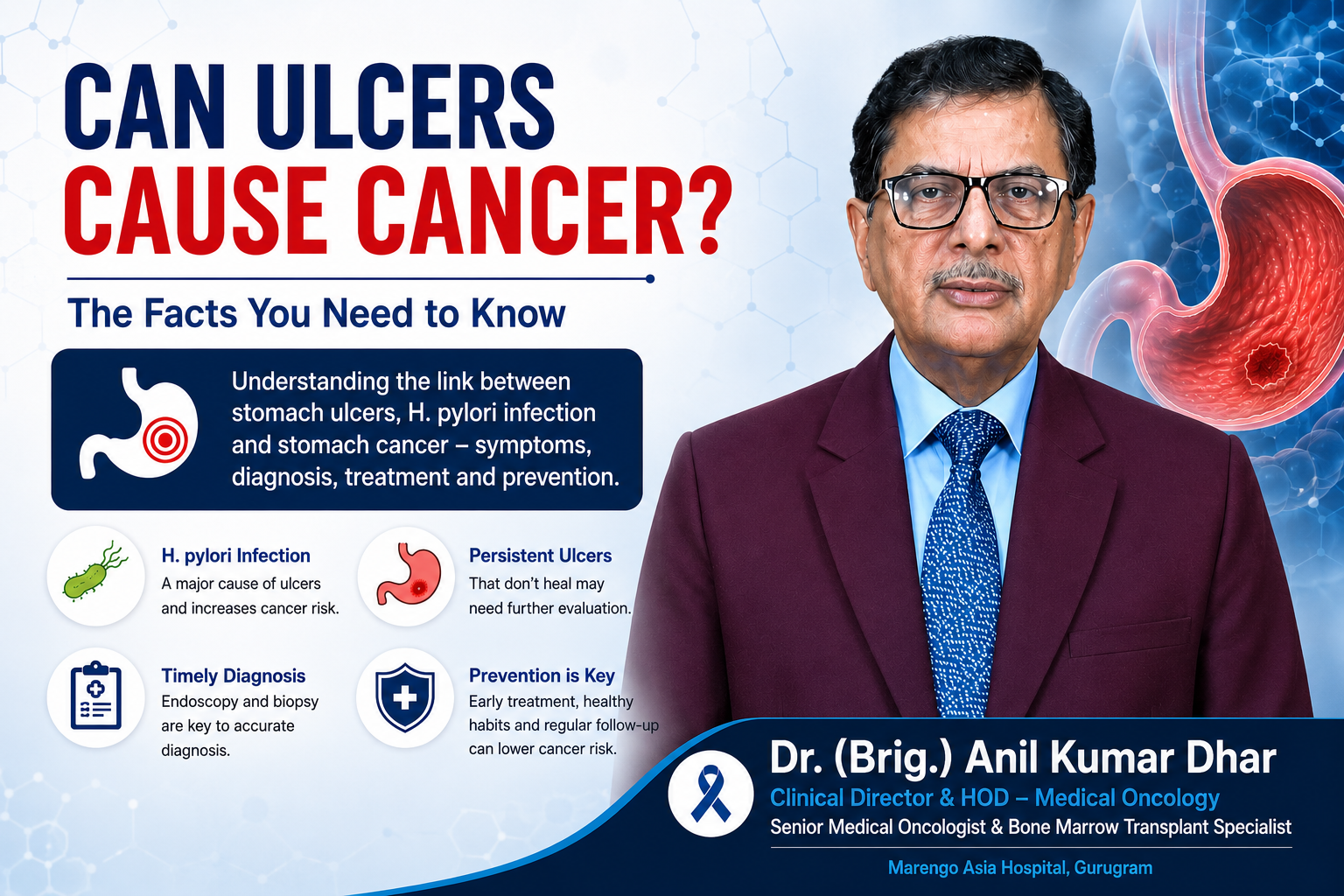
When patients ask me, “Can ulcers cause cancer?”, I explain that most stomach ulcers do not turn into cancer. However, certain ulcers—particularly those associated with chronic Helicobacter pylori (H. pylori) infection or persistent inflammation—may be linked to an increased risk of stomach cancer over time.
It is also important to know that, in some cases, an ulcer-like lesion discovered during an endoscopy may actually be an early stomach cancer rather than a simple ulcer. This is why doctors take persistent or unusual ulcers seriously and often recommend further evaluation.
Globally, stomach cancer remains a significant health concern. According to the World Health Organization (WHO), gastric (stomach) cancer is the fifth most common cancer worldwide and the fifth leading cause of cancer-related deaths, with nearly one million new cases diagnosed each year.
At the same time, peptic ulcer disease affects millions of people annually, yet the vast majority of these ulcers are successfully treated with medication and lifestyle changes. These statistics highlight why accurate diagnosis is essential—not because every ulcer is cancer, but because identifying the underlying cause early can greatly improve outcomes.
So, can ulcers cause cancer, or is the concern often misunderstood? The truth is that ulcers and stomach cancer can sometimes share similar symptoms, including abdominal pain, nausea, indigestion, and loss of appetite. Because of this overlap, it is impossible to determine the cause based on symptoms alone.
Medical evaluation, including endoscopy and biopsy when indicated, plays a crucial role in distinguishing a benign ulcer from a potentially cancerous condition.
In this article, I will answer the question “Can ulcers cause cancer?” using the latest medical evidence. We will explore the causes of ulcers, their connection with stomach cancer, warning signs that should never be ignored, and the importance of timely diagnosis.
My goal is to help you understand the facts, reduce unnecessary anxiety, and empower you to seek the right care when it matters most.
Also Read: Can Breast Pump Cause Cancer: Myths, Facts & Expert Advice
What Is an Ulcer?
Before we answer the question, “Can ulcers cause cancer?”, it is important to understand what an ulcer actually is. Many people assume that every stomach ulcer is dangerous or that it automatically increases the risk of cancer. In reality, most ulcers are treatable medical conditions and are not cancerous. Knowing what causes ulcers and how they differ from one another can help you better understand can ulcers cause cancer and when further evaluation may be necessary.
A stomach ulcer, also known as a gastric ulcer, is an open sore that develops in the inner lining of the stomach. Normally, the stomach is protected by a thick layer of mucus that shields it from its own digestive acids. When this protective barrier is damaged, stomach acid can irritate the lining, leading to the formation of an ulcer. These ulcers are a type of peptic ulcer disease (PUD), which also includes ulcers that develop in the first part of the small intestine, called the duodenum.
Peptic ulcer disease is a common condition worldwide. Studies estimate that 5–10% of people will develop a peptic ulcer at some point in their lifetime. Fortunately, advances in diagnosis and treatment have significantly reduced complications, especially since the discovery of Helicobacter pylori (H. pylori) as a major cause of ulcers.
The most common causes of stomach ulcers include:
- Helicobacter pylori (H. pylori) infection – This bacterium is responsible for nearly 70–90% of duodenal ulcers and up to 70% of gastric ulcers in many populations. It damages the stomach lining and causes chronic inflammation.
- Long-term use of nonsteroidal anti-inflammatory drugs (NSAIDs) such as ibuprofen, diclofenac, aspirin, and naproxen. These medications reduce the stomach’s protective mechanisms, making ulcers more likely.
- Smoking, which slows ulcer healing and increases the risk of recurrence.
- Excessive alcohol consumption, which can irritate the stomach lining.
- Less commonly, severe illness, stress-related ulcers in hospitalized patients, or rare conditions such as Zollinger-Ellison syndrome.
Many patients ask me, “Can ulcers cause cancer if they are caused by stress?” While emotional stress may worsen symptoms or delay healing, it is not considered a primary cause of most stomach ulcers. Likewise, stress alone does not cause stomach cancer.
It is also important to understand the difference between gastric ulcers and duodenal ulcers. A gastric ulcer forms inside the stomach, whereas a duodenal ulcer develops in the upper part of the small intestine.
Although both are classified as peptic ulcers and may cause symptoms such as burning abdominal pain, bloating, nausea, or indigestion, they differ in one important way. Persistent gastric ulcers require closer evaluation because, in some cases, they can resemble or coexist with stomach cancer. For this reason, doctors often recommend an endoscopy with a biopsy for gastric ulcers to confirm the diagnosis. In contrast, duodenal ulcers are very rarely associated with cancer.
So, can ulcers cause cancer? At this stage, the answer remains that most ulcers do not become cancer. However, understanding the type of ulcer, its underlying cause, and whether it heals with treatment is essential in determining whether further investigation is needed. In the next section, we will look more closely at the evidence behind can ulcers cause cancer and explain the true relationship between ulcers and stomach cancer.
Also Read: How Much Does Cancer Treatment Cost in India
Can Ulcers Cause Cancer? The Short Answer
One of the first questions my patients ask after being diagnosed with a stomach ulcer is, “Can ulcers cause cancer?” The short answer is no—most ulcers do not directly cause cancer. In the majority of cases, stomach ulcers are benign conditions that heal with appropriate treatment, such as medications to reduce stomach acid and antibiotics when Helicobacter pylori (H. pylori) infection is present.
However, the relationship between ulcers and cancer is more complex than a simple yes or no, which is why this topic deserves careful attention.
When discussing can ulcers cause cancer, it is important to understand that an ulcer itself does not transform into cancer in the way many people imagine. Instead, certain underlying conditions that lead to ulcers can also increase the risk of developing stomach cancer.
For example, long-term infection with H. pylori is recognized by the World Health Organization (WHO) as a Group 1 carcinogen, meaning there is strong scientific evidence linking it to gastric cancer.
Research suggests that nearly 90% of non-cardia stomach cancers are associated with chronic H. pylori infection, although only a small percentage of infected individuals eventually develop cancer. This is why identifying and treating H. pylori early is so important.
Another reason people ask, “Can ulcers cause cancer?”, is because the symptoms of stomach ulcers and stomach cancer can be remarkably similar. Persistent upper abdominal pain, indigestion, nausea, loss of appetite, unexplained weight loss, and vomiting may occur in both conditions.
Because these symptoms overlap, it is impossible to determine whether an ulcer is harmless or something more serious based on symptoms alone. This is why doctors often recommend an upper gastrointestinal endoscopy and, when necessary, a biopsy of a gastric ulcer to confirm the diagnosis.
There are situations where an ulcer may actually signal something more serious. A gastric ulcer that does not heal after appropriate treatment, recurs repeatedly, has irregular edges on endoscopy, or is accompanied by warning signs such as unexplained weight loss, persistent vomiting, difficulty swallowing, anemia, or bleeding requires further investigation. In some cases, what appears to be a stomach ulcer may actually be an early-stage stomach cancer. This does not mean the ulcer became cancer; rather, the cancer may have been present from the beginning and appeared ulcer-like during evaluation.
So, can ulcers cause cancer? The evidence tells us that most ulcers do not directly become cancer, but they should never be ignored—especially if they are persistent or associated with risk factors such as H. pylori infection or concerning symptoms. As an oncologist, my advice is simple: never rely on assumptions.
Timely diagnosis, appropriate treatment, and recommended follow-up can identify problems early, when they are often most treatable. Understanding the true answer to can ulcers cause cancer empowers patients to seek the right care without unnecessary fear while ensuring that serious conditions are not overlooked.
Also Read: Is Blood Cancer Hereditary? – Dr. (Brig.) AK Dhar
How Helicobacter pylori (H. pylori) Links Ulcers and Stomach Cancer
When discussing can ulcers cause cancer, one name comes up repeatedly in medical research: Helicobacter pylori (H. pylori). In fact, if there is one factor that helps explain the connection between chronic stomach ulcers and stomach cancer, it is this spiral-shaped bacterium. Understanding how H. pylori affects the stomach can help answer the important question, can ulcers cause cancer, with greater clarity and confidence.
H. pylori is a bacterium that infects the lining of the stomach. It is one of the most common bacterial infections worldwide, affecting more than 50% of the global population, although many people never develop symptoms. The infection is more common in developing countries and is usually acquired during childhood through contaminated food, water, or close person-to-person contact. While many infected individuals remain healthy, others develop chronic gastritis, stomach ulcers, or, in some cases, more serious complications.
So, can ulcers cause cancer when H. pylori is involved? The answer lies in what happens during a long-standing infection. H. pylori weakens the stomach’s natural protective lining, allowing stomach acid to damage the underlying tissue. Over months or years, this persistent inflammation can lead to the formation of gastric ulcers. More importantly, chronic inflammation can gradually change the cells lining the stomach in a process known as the Correa cascade, which progresses from chronic gastritis to atrophic gastritis, intestinal metaplasia, dysplasia, and, in a small proportion of patients, gastric cancer.
This is why the World Health Organization’s International Agency for Research on Cancer (IARC) has classified H. pylori as a Group 1 carcinogen, placing it in the same category as tobacco in terms of proven cancer-causing potential. However, it is important to keep this in perspective. Although H. pylori infection is common, less than 3% of infected individuals will develop stomach cancer during their lifetime. This means that while H. pylori increases the risk, most people with the infection or with stomach ulcers will never develop cancer.
Because of this strong association, treating H. pylori is one of the most effective ways to reduce future complications. Studies have shown that eradication of H. pylori can reduce the risk of gastric cancer by approximately 30–50%, particularly when treatment is started before significant precancerous changes occur in the stomach lining. Standard treatment usually involves a combination of two antibiotics and a proton pump inhibitor (PPI) for 10–14 days, followed by testing to confirm that the infection has been successfully eliminated.
So, can ulcers cause cancer? The more accurate way to look at it is that chronic H. pylori infection can contribute to both stomach ulcers and an increased risk of stomach cancer. The ulcer itself is not usually the cause of cancer, but it can be a sign of an underlying condition that deserves careful attention. As an oncologist, I encourage patients not to ignore persistent digestive symptoms. Early diagnosis of H. pylori, timely treatment, and appropriate follow-up can prevent ulcers from recurring and may significantly lower the long-term risk of stomach cancer.
Also Read: What is the ESR Level in Cancer Patients
Can Long-Standing Stomach Ulcers Increase Cancer Risk?
After learning that most stomach ulcers are not cancerous, many patients ask me another important question: Can ulcers cause cancer if they don’t heal? This is a valid concern because while most ulcers heal completely with appropriate treatment, a stomach ulcer that persists despite medication or keeps coming back deserves closer attention. Understanding the role of chronic inflammation, tissue damage, and regular follow-up is essential when discussing can ulcers cause cancer.
One of the biggest concerns with a long-standing gastric ulcer is chronic inflammation. When the lining of the stomach remains inflamed for months or years, the body’s natural healing process can become disrupted. Repeated injury and repair of stomach cells may lead to abnormal cellular changes over time. Although the ulcer itself does not directly become cancer, the conditions responsible for persistent ulcers—particularly chronic Helicobacter pylori (H. pylori) infection or, less commonly, autoimmune gastritis—can increase the likelihood of developing precancerous changes in the stomach lining. This is one of the key reasons patients often ask, can ulcers cause cancer, and why doctors emphasize long-term monitoring rather than simply treating symptoms.
Fortunately, it is important to keep the risk in perspective. The vast majority of stomach ulcers heal completely and never progress to cancer. However, a gastric ulcer that fails to heal after 8–12 weeks of appropriate medical treatment, continues to bleed, or repeatedly returns should never be ignored. In some cases, what appears to be a stubborn ulcer may actually represent an underlying stomach cancer that was difficult to identify during the initial examination. This is why persistent gastric ulcers require careful evaluation rather than assumptions.
Unlike duodenal ulcers, which are very rarely linked to cancer, gastric ulcers are treated more cautiously. During an upper gastrointestinal endoscopy, your doctor may take multiple biopsy samples from the ulcer to rule out malignancy. Even if the first biopsy is reassuring, follow-up is often recommended because healing patterns provide valuable information. If the ulcer heals completely after treatment, it strongly supports a benign diagnosis. If it remains unchanged or develops suspicious features, further investigation becomes necessary.
This is also why repeat endoscopy plays such an important role in answering the question, can ulcers cause cancer. Clinical guidelines commonly recommend a follow-up endoscopy around 6–8 weeks after treatment for gastric ulcers, particularly in older adults or patients with risk factors such as H. pylori infection, smoking, unexplained weight loss, anemia, or a family history of stomach cancer. The purpose of this repeat examination is not because every ulcer is expected to become cancer, but because confirming complete healing helps ensure that an early cancer has not been overlooked.
As an oncologist, I always remind my patients that persistent symptoms deserve persistent attention. If your ulcer symptoms continue despite treatment, do not delay your follow-up appointment or repeat endoscopy. So, can ulcers cause cancer? In most cases, the answer remains no. However, a non-healing gastric ulcer can sometimes be a warning sign of an underlying cancer or a condition that increases cancer risk, making timely follow-up essential. Early diagnosis remains one of the most powerful tools we have for achieving the best possible outcomes.
Symptoms That Could Mean an Ulcer Needs Further Evaluation
One of the most important messages I share with my patients is that symptoms should never be ignored simply because they seem common. Many people experience indigestion, acidity, or occasional stomach pain and assume it is “just an ulcer.” However, when patients ask me, “Can ulcers cause cancer?”, I explain that while most ulcers are not cancerous, certain symptoms may indicate that the ulcer requires further evaluation. These warning signs do not necessarily mean cancer is present, but they do signal the need for prompt medical attention.
One of the most concerning symptoms is persistent abdominal pain. Mild discomfort that improves with medication is common in peptic ulcer disease. However, pain that continues for several weeks despite treatment, becomes more severe, or frequently returns should not be ignored. When evaluating can ulcers cause cancer, persistent pain is one of the reasons doctors may recommend additional investigations, especially if the ulcer is not healing as expected.
Another symptom that deserves immediate attention is unexplained weight loss. Losing weight without trying is never considered normal. In stomach cancer, weight loss often occurs because the disease affects appetite, digestion, and nutrient absorption. While ulcers themselves can sometimes reduce appetite because eating becomes painful, significant or ongoing weight loss requires a thorough evaluation to determine the underlying cause. This is another situation where patients commonly wonder, can ulcers cause cancer, and where early diagnosis becomes particularly important.
Vomiting blood (hematemesis) or passing black, tarry stools (melena) are medical emergencies that should never be ignored. These symptoms indicate bleeding somewhere in the upper digestive tract, which may be caused by a bleeding ulcer. Although bleeding ulcers are far more common than stomach cancer, bleeding can also occur in cancerous lesions. Immediate medical care is essential to identify the source and begin appropriate treatment.
Another important warning sign is difficulty swallowing (dysphagia), particularly if it progressively worsens. While swallowing problems are more commonly associated with esophageal conditions, they can occasionally occur in advanced stomach disease and should always be investigated. Similarly, persistent loss of appetite or feeling full after eating only a small amount may indicate that something more than a simple ulcer is affecting the stomach.
Finally, persistent nausea or repeated vomiting should not be dismissed as routine indigestion. Ongoing vomiting may occur if an ulcer causes swelling or blockage near the outlet of the stomach, but it can also be associated with stomach cancer. If nausea and vomiting continue despite treatment, further evaluation with an upper gastrointestinal endoscopy is often recommended.
So, can ulcers cause cancer? Most ulcers do not. However, symptoms such as persistent abdominal pain, unexplained weight loss, vomiting blood, black stools, difficulty swallowing, loss of appetite, and ongoing nausea or vomiting should never be ignored. These symptoms do not automatically mean cancer, but they are considered “alarm symptoms” because they may indicate a serious underlying condition. As an oncologist, I always encourage patients to seek medical evaluation early rather than waiting for symptoms to worsen. Early investigation can provide reassurance when the condition is benign and allows potentially serious diseases to be diagnosed at a stage when treatment is most effective.
Also Read: Is Blood Cancer Curable in India?
Ulcer vs. Stomach Cancer: How Are They Different?
One of the biggest challenges in diagnosing stomach conditions is that stomach ulcers and stomach cancer often share many of the same symptoms. This is one of the main reasons patients frequently ask me, “Can ulcers cause cancer?” While the answer is that most ulcers do not become cancer, distinguishing between the two conditions based on symptoms alone can be difficult. That is why doctors rely on investigations such as upper gastrointestinal endoscopy and biopsy rather than symptoms alone to make an accurate diagnosis.
Both gastric ulcers and stomach cancer can cause persistent upper abdominal pain, indigestion, bloating, nausea, heartburn, and discomfort after eating. Some patients with either condition may also experience vomiting, fatigue due to anemia, or unintended weight loss. Because these symptoms overlap significantly, it is understandable why many people become anxious when diagnosed with a stomach ulcer. However, having these symptoms does not automatically mean cancer is present.
There are, however, certain differences that may raise suspicion for stomach cancer. A benign stomach ulcer often causes a burning or gnawing pain that may improve temporarily with acid-reducing medications or after eating, depending on the type of ulcer. Most ulcers also heal within 6–8 weeks when treated appropriately with medications and, when necessary, antibiotics to eradicate Helicobacter pylori (H. pylori).
In contrast, stomach cancer symptoms tend to be more persistent and progressive. Patients may notice unexplained weight loss, a persistent loss of appetite, feeling full after eating only a small amount (early satiety), increasing fatigue, ongoing vomiting, or difficulty swallowing if the disease involves the upper stomach. Gastrointestinal bleeding may occur in both conditions, but repeated bleeding, worsening anemia, or symptoms that continue despite proper ulcer treatment require prompt medical evaluation. Importantly, these features are warning signs—not proof of cancer.
Another important distinction is how each condition behaves over time. Most stomach ulcers improve with standard treatment, whereas a cancerous lesion generally does not heal with acid-suppressing medication alone. A gastric ulcer that remains unchanged on follow-up endoscopy or has irregular features may require additional biopsies to rule out malignancy. This careful follow-up is one of the reasons doctors continue investigating some ulcers even after initial treatment.
Ultimately, symptoms alone cannot confirm the diagnosis. Even experienced specialists cannot reliably distinguish a benign ulcer from stomach cancer based solely on pain or digestive complaints. The gold standard for diagnosis is an upper gastrointestinal endoscopy, during which the doctor directly examines the stomach lining and obtains biopsy samples from suspicious areas. The biopsy is then examined under a microscope to determine whether the tissue is benign, precancerous, or cancerous.
So, can ulcers cause cancer? In most cases, the answer is no. However, because stomach ulcers and stomach cancer can look and feel remarkably similar, every persistent gastric ulcer deserves appropriate evaluation and follow-up. As an oncologist, I always encourage patients not to self-diagnose based on symptoms or internet searches. Early investigation allows us to identify benign ulcers that simply need treatment while ensuring that stomach cancer, if present, is detected at the earliest possible stage when outcomes are significantly better.
Also Read: Can Stage 1 Cancer Be Cured? – Dr. (Brig.) AK Dhar
Doctors Diagnose Whether an Ulcer Is Cancerous
One of the most common questions I hear from patients is, “How do doctors know if my ulcer is just an ulcer or something more serious?” This concern is understandable, especially when discussing can ulcers cause cancer. The good news is that modern diagnostic tools allow us to accurately distinguish between a benign stomach ulcer and stomach cancer. Rather than relying on symptoms alone, doctors use a combination of medical history, physical examination, endoscopy, biopsy, and laboratory tests to reach a definitive diagnosis.
The first step is a detailed medical history and physical examination. I ask patients about the nature and duration of their symptoms, whether the pain improves with food or medications, any history of Helicobacter pylori (H. pylori) infection, long-term use of painkillers such as NSAIDs, smoking, alcohol consumption, family history of stomach cancer, and any warning signs such as unexplained weight loss, persistent vomiting, black stools, or vomiting blood. During the physical examination, I look for signs of anemia, abdominal tenderness, enlarged lymph nodes, or other findings that may suggest a more serious condition. Although these steps help assess risk, they cannot confirm whether an ulcer is cancerous.
The most important investigation is an upper gastrointestinal endoscopy (gastroscopy). During this procedure, a thin, flexible tube with a camera is passed through the mouth into the stomach, allowing the doctor to directly examine the stomach lining. Endoscopy helps determine the size, location, and appearance of the ulcer and identifies any suspicious features such as irregular margins, raised edges, or ulcers that appear unlikely to heal. This is considered the gold standard for evaluating gastric ulcers.
However, endoscopy alone is not enough to diagnose cancer. If an ulcer appears suspicious—or even if it looks typical but is located in the stomach—the next critical step is a biopsy. During endoscopy, several small tissue samples are taken from the ulcer and surrounding stomach lining. These samples are examined under a microscope by a pathologist to determine whether the cells are benign, precancerous, or cancerous. A biopsy is the only definitive way to confirm or exclude stomach cancer.
Because H. pylori infection plays a major role in both ulcers and stomach cancer, testing for H. pylori is also an essential part of the evaluation. This can be done using a biopsy taken during endoscopy, a urea breath test, stool antigen test, or, in some situations, blood tests. If the infection is detected, appropriate antibiotic treatment is recommended, as eradicating H. pylori not only helps heal ulcers but also reduces the future risk of gastric cancer.
If cancer is diagnosed or strongly suspected, additional tests such as a CT scan of the chest, abdomen, and pelvis, endoscopic ultrasound (EUS), PET-CT (in selected patients), or other imaging studies may be performed. These tests help determine whether the cancer has spread, evaluate nearby lymph nodes, and guide treatment planning. Accurate staging is essential for choosing the most effective treatment, whether surgery, chemotherapy, immunotherapy, targeted therapy, or a combination of these approaches.
So, can ulcers cause cancer? The answer remains that most ulcers do not become cancer, but because some stomach cancers can initially resemble ulcers, every persistent or suspicious gastric ulcer deserves a thorough evaluation. As an oncologist, I encourage patients not to fear these investigations but to view them as the best way to obtain a clear diagnosis. Early detection allows us to treat benign ulcers effectively and identify stomach cancer at its earliest—and most treatable—stage.
Can Treating an Ulcer Reduce the Risk of Stomach Cancer?
A question I often hear from patients is, “If my ulcer is treated properly, can it lower my chances of getting stomach cancer?” The answer is yes—in many cases, appropriate treatment can significantly reduce the risk, particularly when the ulcer is caused by Helicobacter pylori (H. pylori) infection. While treating an ulcer cannot eliminate every risk factor for stomach cancer, it plays a vital role in protecting the stomach lining and preventing long-term complications. Understanding this relationship is an important part of answering the question, can ulcers cause cancer.
One of the most effective ways to reduce the risk of stomach cancer is through eradication of H. pylori. This bacterium is the leading cause of both peptic ulcers and chronic inflammation of the stomach. If left untreated, persistent H. pylori infection can damage the stomach lining over many years, increasing the risk of precancerous changes. Research has shown that successful eradication of H. pylori can reduce the risk of gastric cancer by approximately 30–50%, especially when treatment is started before permanent damage has developed. Standard therapy usually includes two antibiotics combined with a proton pump inhibitor (PPI) to eliminate the infection and promote healing.
In addition to treating H. pylori, medications that promote ulcer healing are equally important. Proton pump inhibitors, such as omeprazole, pantoprazole, or esomeprazole, reduce stomach acid and allow the damaged lining to repair itself. In patients whose ulcers are related to long-term use of nonsteroidal anti-inflammatory drugs (NSAIDs) such as ibuprofen or diclofenac, stopping these medications—or switching to safer alternatives under medical supervision—can prevent recurrent ulcers and reduce ongoing injury to the stomach.
Lifestyle modifications also play a meaningful role in reducing the risk of future ulcers and improving overall stomach health. I advise my patients to stop smoking, as tobacco delays ulcer healing and increases the likelihood of recurrence. Limiting alcohol intake, maintaining a balanced diet rich in fruits and vegetables, avoiding unnecessary painkiller use, and managing chronic medical conditions can all support recovery. Although stress alone does not cause stomach ulcers or stomach cancer, managing stress may help reduce digestive symptoms and improve quality of life during treatment.
For patients who have additional risk factors, regular follow-up is essential. Individuals with persistent gastric ulcers, previous H. pylori infection, a family history of stomach cancer, precancerous changes such as intestinal metaplasia or dysplasia, or ongoing symptoms despite treatment may require repeat endoscopy and periodic monitoring. These follow-up evaluations help ensure that the ulcer has healed completely and allow doctors to detect any abnormal changes at an early stage when they are most treatable.
So, can ulcers cause cancer? In most cases, no. However, the underlying conditions that cause certain ulcers—particularly chronic H. pylori infection—can increase the risk of stomach cancer if left untreated. The encouraging news is that early diagnosis, complete ulcer treatment, eradication of H. pylori, healthy lifestyle choices, and appropriate follow-up can substantially reduce this risk. As an oncologist, I always encourage patients to complete their prescribed treatment and attend follow-up appointments, because protecting your stomach today may help prevent serious complications in the future.
How to Prevent Stomach Ulcers and Lower Cancer Risk
Although many people ask me, “Can ulcers cause cancer?”, the more important question is often, “What can I do to protect my stomach and reduce my risk?” The reassuring news is that many of the factors that contribute to stomach ulcers and stomach cancer are preventable or treatable. By adopting healthy habits, seeking timely medical care, and following your doctor’s recommendations, you can significantly improve your stomach health and reduce the likelihood of serious complications.
One of the most effective preventive measures is to avoid tobacco in all forms. Smoking damages the stomach’s protective lining, reduces blood flow needed for healing, increases stomach acid production, and makes ulcers more likely to recur. Research has also shown that smoking is an established risk factor for stomach cancer, particularly when combined with Helicobacter pylori (H. pylori) infection. Quitting smoking benefits not only your digestive health but also lowers the risk of several other cancers and cardiovascular diseases.
It is equally important to limit alcohol consumption. Excessive alcohol can irritate the stomach lining, worsen inflammation, delay ulcer healing, and increase the risk of gastrointestinal bleeding. While moderate alcohol intake has not been conclusively linked to all cases of stomach cancer, heavy and prolonged alcohol use can contribute to digestive tract damage and should be avoided, particularly in individuals with ulcers or chronic gastritis.
Another simple but often overlooked step is to use painkillers responsibly. Long-term or frequent use of nonsteroidal anti-inflammatory drugs (NSAIDs) such as ibuprofen, diclofenac, naproxen, and aspirin can weaken the stomach’s protective barrier and increase the risk of ulcers. If you need these medications regularly, discuss safer alternatives or protective medicines, such as proton pump inhibitors (PPIs), with your doctor rather than taking them without supervision.
Maintaining a balanced diet also supports long-term stomach health. I encourage my patients to eat a diet rich in fresh fruits, vegetables, whole grains, legumes, and lean proteins, while limiting highly processed foods, excessive salt, and smoked or preserved foods. Diet alone cannot prevent stomach cancer, but healthy eating provides antioxidants, vitamins, and fiber that support the body’s natural defense mechanisms and overall well-being.
One of the most important preventive strategies is to identify and treat H. pylori infection promptly. Since H. pylori is the leading cause of peptic ulcers and a recognized risk factor for stomach cancer, early diagnosis and complete eradication with antibiotics can prevent recurrent ulcers and reduce the long-term risk of cancer. If your doctor recommends testing for H. pylori, it is important to complete the treatment exactly as prescribed and undergo follow-up testing when advised to ensure the infection has been successfully cleared.
Finally, attend all recommended follow-up appointments, particularly if you have had a gastric ulcer, chronic H. pylori infection, precancerous stomach changes, or a family history of stomach cancer. Follow-up endoscopy may be recommended to confirm that a gastric ulcer has healed completely and to rule out any underlying abnormalities. Early detection remains one of the most effective ways to improve treatment outcomes if a serious condition is identified.
So, can ulcers cause cancer? In most cases, no. However, preventing ulcers, treating their underlying causes, and following medical advice can greatly reduce the risk of complications and help protect your long-term digestive health. As an oncologist, I believe that prevention is one of the most powerful forms of treatment. Simple lifestyle changes, timely medical care, and regular follow-up can make a lasting difference in keeping your stomach healthy for years to come.
When Should You See a Cancer Specialist?
Most stomach ulcers are benign and treatable, and many patients recover completely with medications and appropriate care. However, there are situations where an ulcer requires evaluation by a medical oncologist or gastroenterologist to rule out stomach cancer or another serious condition. If you have been wondering, “Can ulcers cause cancer?”, knowing when to seek specialist care can help ensure an accurate diagnosis and timely treatment. Early evaluation not only provides peace of mind but can also detect cancer at a stage when it is highly treatable.
One of the clearest reasons to consult a cancer specialist is when ulcer symptoms do not improve despite appropriate treatment. Most gastric ulcers begin to heal within 6–8 weeks when treated with acid-suppressing medications and, if necessary, antibiotics to eradicate Helicobacter pylori (H. pylori). If your abdominal pain, indigestion, bloating, or nausea continues despite completing treatment, further evaluation is essential. A non-healing ulcer does not necessarily mean cancer, but it should never be dismissed without proper investigation.
Another situation that deserves specialist attention is recurrent stomach ulcers. If ulcers continue to return even after successful treatment, your doctor may need to identify the underlying cause. Persistent H. pylori infection, continued use of nonsteroidal anti-inflammatory drugs (NSAIDs), smoking, or other medical conditions may be responsible. In some cases, recurrent gastric ulcers require repeat endoscopy and biopsy to exclude an underlying malignancy. This is why patients asking can ulcers cause cancer should understand that recurrence itself is a reason for careful medical assessment rather than panic.
A family history of stomach cancer is another important factor. Individuals with a first-degree relative, such as a parent, sibling, or child diagnosed with gastric cancer, may have a higher lifetime risk of developing the disease. If you have a family history along with persistent ulcer symptoms or H. pylori infection, your doctor may recommend earlier investigation, closer surveillance, or more frequent follow-up to detect any abnormal changes at an early stage.
Certain alarm symptoms require immediate medical evaluation because they may indicate a serious underlying condition. These include:
- Persistent or worsening abdominal pain despite treatment
- Unexplained weight loss
- Vomiting blood or passing black, tarry stools
- Persistent nausea or repeated vomiting
- Difficulty swallowing
- Loss of appetite or feeling full after eating small amounts
- Unexplained anemia or severe fatigue
These symptoms do not automatically mean stomach cancer, but they should never be ignored. Prompt evaluation with an upper gastrointestinal endoscopy and biopsy can identify the cause and ensure that any serious condition is diagnosed without delay.
So, can ulcers cause cancer? In most patients, the answer is no. However, ulcers that fail to heal, recur frequently, occur in individuals with significant risk factors, or are accompanied by alarm symptoms require specialist assessment. As an oncologist, I always emphasize that early consultation saves lives. Seeking expert advice at the right time allows us to treat benign ulcers effectively, detect stomach cancer early if it is present, and provide the best possible outcomes for our patients.


Leave a Reply