




A cancer diagnosis can be emotionally overwhelming, and one of the first questions that follows is, “How Much Does Cancer Treatment Cost in India?” While there is no single answer, understanding the factors that influence treatment expenses can help patients and their families plan better.
How Much Does Cancer Treatment Cost in India depends on several variables, including the type of cancer, its stage, the treatment recommended, the hospital, and the expertise of the oncology team. Every patient has unique medical needs, so treatment costs can differ significantly from one individual to another.
According to the Indian Council of Medical Research (ICMR), India reports over 1.5 million new cancer cases every year, and this number is expected to rise in the coming years. Fortunately, advances in medical science have made cancer treatment more effective than ever before.
Today, patients have access to a wide range of treatment options, including chemotherapy, immunotherapy, targeted therapy, radiation therapy, surgery, precision oncology, and bone marrow transplantation. Each of these treatments varies in complexity, duration, and cost, which directly influences How Much Does Cancer Treatment Cost in India.
Many people assume that cancer treatment is always unaffordable. In reality, India is recognised globally for offering high-quality cancer care at a significantly lower cost compared to many developed countries, while maintaining excellent treatment standards.
Early diagnosis also plays a major role in reducing both the complexity and overall cost of treatment. Detecting cancer at an early stage often requires less intensive treatment and offers better survival outcomes.
Another important factor that determines How Much Does Cancer Treatment Cost in India is the treatment strategy designed specifically for the patient. No two cancer cases are identical, and a personalised treatment plan ensures that patients receive the most appropriate and effective care rather than unnecessary procedures.
This is why consulting an experienced Medical Oncologist is one of the most important decisions a patient can make. A qualified oncologist evaluates the cancer type, stage, overall health, and available treatment options before recommending the most effective and cost-efficient approach.
An experienced specialist can also guide patients about insurance coverage, financial assistance programmes, and advanced therapies that may improve outcomes while optimising treatment expenses.
In this guide, we will explain How Much Does Cancer Treatment Cost in India, the factors that influence pricing, the approximate cost of different cancer treatments, and how choosing the right cancer specialist can help you receive the best possible care while making informed financial decisions.
Also Read: Is Blood Cancer Curable in India?
How Much Does Cancer Treatment Cost in India for Different Types of Cancer?
One of the most common concerns among patients is How Much Does Cancer Treatment Cost in India for different types of cancer. The answer depends on several factors, including the type of cancer, stage at diagnosis, treatment approach, duration of therapy, and the patient’s overall health. While no two treatment plans are identical, understanding the approximate cost range for common cancers can help patients make informed financial and medical decisions. How Much Does Cancer Treatment Cost in India also varies depending on whether the patient requires surgery, chemotherapy, radiation therapy, immunotherapy, targeted therapy, or a combination of these treatments.
Breast Cancer Treatment Cost
Breast cancer is one of the most common cancers among women in India, accounting for nearly 14% of all cancers in women, according to the Indian Council of Medical Research (ICMR). Treatment may include surgery, chemotherapy, radiation therapy, hormone therapy, targeted therapy, or immunotherapy.
The approximate cost of breast cancer treatment in India ranges between ₹2 lakh and ₹15 lakh or more, depending on the stage of cancer and the treatment plan. Early-stage breast cancer generally requires less extensive treatment, making it more affordable than advanced-stage disease.
Lung Cancer Treatment Cost
Lung cancer treatment depends on whether the cancer is small-cell or non-small-cell lung cancer (NSCLC) and whether it has spread beyond the lungs. Treatment often involves surgery, chemotherapy, radiation therapy, immunotherapy, and targeted therapy.
The estimated lung cancer treatment cost in India ranges from ₹3 lakh to ₹25 lakh, especially if advanced immunotherapy or targeted drugs are required over several months.
Blood Cancer Treatment Cost
Blood cancers, including leukaemia, lymphoma, and multiple myeloma, often require long-term treatment involving chemotherapy, targeted therapy, immunotherapy, or Bone Marrow Transplantation (BMT).
Depending on the type of blood cancer, the blood cancer treatment cost in India may range between ₹5 lakh and ₹35 lakh or more. Patients undergoing bone marrow transplantation may incur higher expenses due to specialised procedures and prolonged hospital care.
Colon Cancer Treatment Cost
Colon or colorectal cancer is increasingly being diagnosed in younger adults due to changing lifestyles and dietary habits. Treatment generally includes surgery followed by chemotherapy and, in selected cases, targeted therapy.
The overall colon cancer treatment cost in India usually ranges from ₹3 lakh to ₹12 lakh, depending on the stage of the disease and whether additional therapies are required after surgery.
Prostate Cancer Treatment Cost
Prostate cancer is among the most common cancers affecting older men. Depending on the disease stage, treatment options may include active surveillance, surgery, radiation therapy, hormone therapy, chemotherapy, or advanced targeted treatments.
The approximate prostate cancer treatment cost in India ranges from ₹2 lakh to ₹10 lakh, although costs may increase if newer treatment options are recommended.
Oral Cancer Treatment Cost
India has one of the highest burdens of oral cancer globally, largely due to tobacco and smokeless tobacco consumption. Treatment often requires surgery, reconstructive procedures, radiation therapy, chemotherapy, or a combination of these approaches.
The oral cancer treatment cost in India generally falls between ₹2 lakh and ₹10 lakh, depending on tumour size, lymph node involvement, and the complexity of reconstructive surgery.
Ultimately, How Much Does Cancer Treatment Cost in India depends on the individual patient’s diagnosis and personalised treatment plan rather than the cancer type alone. Early diagnosis not only improves survival rates but also reduces the need for more extensive and expensive treatments. Consulting an experienced Medical Oncologist ensures that every patient receives evidence-based care with the most appropriate treatment strategy. Understanding How Much Does Cancer Treatment Cost in India before starting therapy helps patients plan financially while focusing on what matters most—achieving the best possible outcome.
Also Read: Can Stage 1 Cancer Be Cured? – Dr. (Brig.) AK Dhar
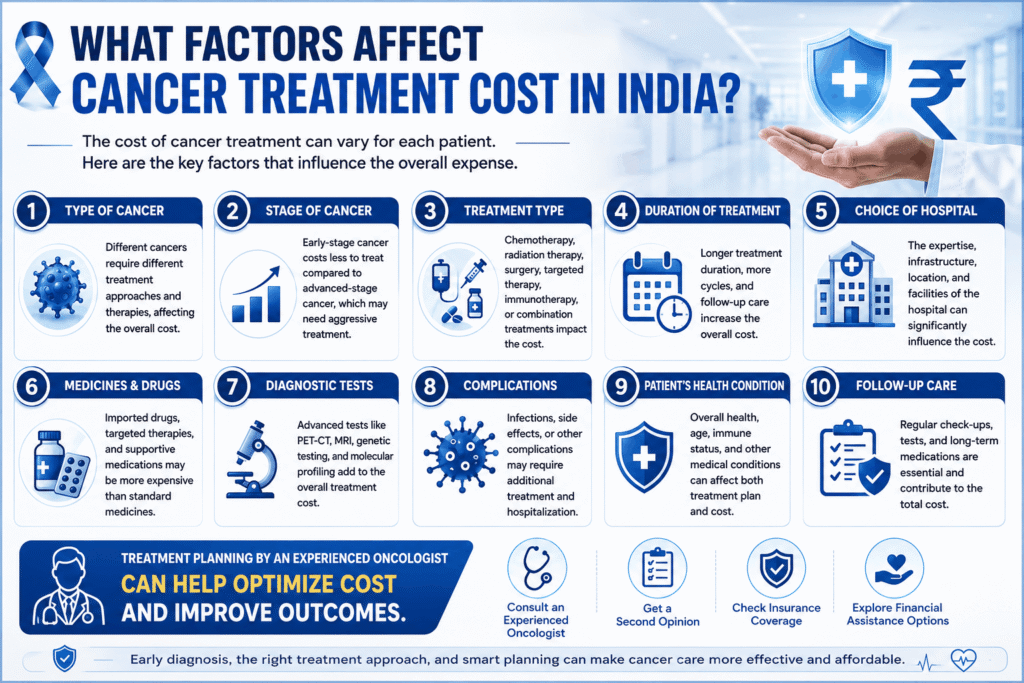
What Factors Affect Cancer Treatment Cost in India?
When patients ask How Much Does Cancer Treatment Cost in India, one of the most important things to understand is that there is no fixed price for cancer care. Every patient’s journey is unique, and the overall cost depends on several medical and non-medical factors. While two people may have the same type of cancer, their treatment plans—and therefore their expenses—can be completely different. Understanding these factors can help patients make informed decisions and prepare financially for treatment. If you’re wondering How Much Does Cancer Treatment Cost in India, knowing what influences the cost is the first step.
1. Type and Stage of Cancer
The type of cancer and the stage at which it is diagnosed have the greatest impact on treatment costs. Early-stage cancers are often treated with surgery or limited therapy, whereas advanced-stage cancers may require multiple treatment modalities such as chemotherapy, radiation therapy, immunotherapy, targeted therapy, or surgery.
For example, a Stage I breast cancer may require significantly less treatment than Stage IV breast cancer, which often needs long-term systemic therapy. According to the World Health Organization (WHO), early detection can improve survival while reducing treatment complexity and costs.
2. Hospital and City
Another major factor influencing How Much Does Cancer Treatment Cost in India is where the treatment is received. Costs vary between government hospitals, private hospitals, and specialised cancer centres. Treatment in metropolitan cities such as Delhi, Mumbai, Bengaluru, Chennai, or Hyderabad may be more expensive than in smaller cities because of advanced infrastructure, specialised oncology teams, and access to cutting-edge technology.
However, many leading cancer centres in India provide world-class treatment at costs that remain significantly lower than those in countries such as the United States, the United Kingdom, or Singapore.
3. Treatment Approach
Cancer treatment is rarely limited to a single therapy. Depending on the diagnosis, patients may require a combination of:
- Surgery
- Chemotherapy
- Radiation therapy
- Targeted therapy
- Immunotherapy
- Hormone therapy
- Precision Oncology
- Bone Marrow Transplantation
Each treatment has a different cost structure. For instance, traditional chemotherapy is generally less expensive than targeted therapy or immunotherapy, while bone marrow transplantation is among the most complex and costly cancer treatments. This is why How Much Does Cancer Treatment Cost in India varies widely from one patient to another.
4. Duration of Treatment
The length of treatment also plays an important role in determining the total cost. Some cancers can be treated within a few weeks, while others require therapy over several months or even years.
For example:
- Chemotherapy may involve 4–8 cycles spread over several months.
- Radiation therapy is often delivered over 3–7 weeks.
- Immunotherapy and targeted therapy may continue for a year or longer in selected patients.
Longer treatment durations naturally increase medication costs, hospital visits, laboratory investigations, and follow-up consultations.
5. Diagnostic Tests
Before starting treatment, accurate diagnosis is essential. Modern cancer care relies on advanced investigations to determine the exact type and stage of cancer. These may include:
- Blood tests
- Biopsy
- CT scan
- MRI
- PET-CT scan
- Bone marrow examination
- Molecular profiling
- Genetic testing
While these investigations add to the initial expense, they help oncologists design a personalised treatment plan, avoiding unnecessary treatments and improving outcomes. Precision diagnostics often lead to more effective and targeted care.
6. Hospital Stay and ICU Care
Hospitalisation is another important factor affecting How Much Does Cancer Treatment Cost in India. Patients undergoing major cancer surgery or bone marrow transplantation may require several days of hospital admission, while some may need intensive care (ICU) for close monitoring after complex procedures.
The length of hospital stay, room category, nursing care, medications, blood products, and supportive care all contribute to the final bill. Patients receiving outpatient chemotherapy or radiation therapy generally have lower hospitalisation costs than those requiring prolonged inpatient treatment.
Ultimately, How Much Does Cancer Treatment Cost in India depends on the combination of these factors rather than a single treatment or procedure. An experienced Medical Oncologist carefully evaluates each patient’s condition and recommends the most appropriate, evidence-based treatment plan that balances effectiveness, safety, and cost. Early diagnosis, personalised treatment planning, and choosing the right cancer specialist can significantly improve outcomes while helping patients manage treatment expenses more effectively.
Also Read: Is Blood Cancer Hereditary? – Dr. (Brig.) AK Dhar
How Much Does Chemotherapy Cost in India?
Chemotherapy is one of the most commonly used and effective treatments for cancer. It works by destroying cancer cells or slowing their growth and may be used before surgery (neoadjuvant therapy), after surgery (adjuvant therapy), or as the primary treatment for advanced cancers. One of the first questions patients ask after a chemotherapy recommendation is, “How Much Does Cancer Treatment Cost in India?” Since chemotherapy is often a major component of cancer care, understanding its cost can help patients prepare both medically and financially. However, How Much Does Cancer Treatment Cost in India varies significantly because chemotherapy is highly personalised and no two treatment plans are exactly alike.
Cost Per Chemotherapy Cycle
The cost of chemotherapy depends on the type of cancer, medicines prescribed, dosage, hospital, and supportive medications required during treatment. In India, the average cost per chemotherapy cycle typically ranges from ₹10,000 to ₹1,00,000 or more.
Standard chemotherapy drugs are generally more affordable, whereas newer chemotherapy combinations and specialised medications may increase the cost. Patients may also require supportive treatments such as anti-nausea medications, growth factor injections, blood tests, and intravenous infusions, all of which contribute to the overall expense.
Number of Chemotherapy Cycles
Another major factor affecting How Much Does Cancer Treatment Cost in India is the total number of chemotherapy cycles required. The treatment schedule varies depending on the cancer type, stage, and treatment goal.
For example:
- Early-stage breast cancer may require 4–8 chemotherapy cycles.
- Colon cancer often requires 6–12 cycles following surgery.
- Blood cancers such as lymphoma or leukaemia may require several months of intensive chemotherapy.
- Advanced cancers may need ongoing chemotherapy until the disease is controlled.
Each cycle is usually administered every 2–4 weeks, allowing the body time to recover before the next treatment. Naturally, more cycles result in higher overall treatment costs.
Factors Affecting Chemotherapy Cost
Several factors influence How Much Does Cancer Treatment Cost in India when chemotherapy is part of the treatment plan:
- Type and stage of cancer
- Choice of chemotherapy drugs
- Body weight and dosage requirements
- Hospital and city where treatment is received
- Day-care chemotherapy versus hospital admission
- Laboratory investigations before each cycle
- Supportive medications and blood transfusions, if required
- Management of treatment-related side effects
Patients receiving chemotherapy alongside targeted therapy, immunotherapy, radiation therapy, or surgery may have additional treatment expenses.
It is important to remember that chemotherapy is not simply about administering medicines—it is a carefully planned treatment supervised by an experienced Medical Oncologist. The treatment protocol is designed to maximise effectiveness while minimising side effects through regular monitoring and supportive care.
Ultimately, How Much Does Cancer Treatment Cost in India depends on the individual patient’s diagnosis and personalised chemotherapy regimen rather than a fixed package price. Consulting an experienced oncologist helps patients understand the expected number of cycles, estimated costs, insurance coverage, and available financial assistance programmes. With timely treatment and proper planning, chemotherapy continues to offer excellent outcomes for many cancers while remaining one of the most effective pillars of modern cancer care.
Also Read: What is the ESR Level in Cancer Patients
How Much Does Radiation Therapy Cost in India?
Radiation therapy is one of the most effective treatments for cancer and plays a crucial role in curing early-stage cancers, reducing the risk of recurrence, and relieving symptoms in advanced cancers. It uses high-energy radiation beams to destroy cancer cells while minimising damage to surrounding healthy tissues. Nearly 50–60% of all cancer patients require radiation therapy at some stage of their treatment, according to global oncology estimates. Naturally, many patients want to know, How Much Does Cancer Treatment Cost in India when radiation therapy is recommended. The answer depends on the type of radiation, the technology used, the number of treatment sessions, and the complexity of the case. Understanding these factors can help patients better estimate How Much Does Cancer Treatment Cost in India and plan their treatment accordingly.
External Beam Radiation Therapy (EBRT)
The most commonly used form of radiation treatment is External Beam Radiation Therapy (EBRT). In this technique, a specialised machine called a linear accelerator (LINAC) delivers precise radiation beams to the tumour without making any surgical incision.
EBRT is widely used to treat cancers such as:
- Breast cancer
- Prostate cancer
- Lung cancer
- Head and neck cancers
- Brain tumours
- Colorectal cancer
The cost of conventional External Beam Radiation Therapy in India generally ranges from ₹80,000 to ₹2,50,000, depending on the cancer type, treatment duration, and hospital. Most patients receive treatment five days a week for 3–7 weeks, although the schedule varies according to the treatment plan.
Advanced Radiation Techniques
Modern cancer centres now use highly advanced radiation technologies that improve treatment accuracy while reducing side effects. These techniques include:
- Intensity-Modulated Radiation Therapy (IMRT)
- Image-Guided Radiation Therapy (IGRT)
- Volumetric Modulated Arc Therapy (VMAT)
- Stereotactic Body Radiation Therapy (SBRT)
- Stereotactic Radiosurgery (SRS)
These advanced techniques allow oncologists to deliver higher radiation doses directly to the tumour while protecting nearby healthy organs. They are especially beneficial for cancers located near critical structures such as the brain, spinal cord, lungs, liver, and prostate.
Because these technologies require specialised equipment and expertise, treatment costs are generally higher, ranging from ₹2 lakh to ₹5 lakh or more, depending on the complexity of the treatment and the number of sessions required.
Total Radiation Therapy Cost
When patients ask How Much Does Cancer Treatment Cost in India, it is important to understand that radiation therapy expenses include more than just the treatment sessions. The total cost may also include:
- Initial consultation with a Radiation Oncologist
- CT simulation and treatment planning
- Immobilisation devices
- Advanced imaging
- Daily radiation sessions
- Weekly treatment reviews
- Follow-up consultations
If radiation therapy is combined with chemotherapy, surgery, immunotherapy, or targeted therapy, the overall cancer treatment cost increases accordingly.
Ultimately, How Much Does Cancer Treatment Cost in India depends on the individual’s diagnosis, the stage of cancer, and the most appropriate radiation technique recommended by the oncology team. While advanced radiation therapy may have a higher upfront cost, it often provides greater precision, fewer complications, and improved treatment outcomes. Consulting an experienced Medical Oncologist and Radiation Oncologist ensures that patients receive a personalised treatment plan that balances effectiveness, safety, and cost, helping them achieve the best possible results.
How Much Does Cancer Surgery Cost in India?
Surgery is one of the most effective and commonly recommended treatments for cancer, particularly when the disease is diagnosed at an early stage. In many cases, surgery can completely remove the tumour and significantly improve the chances of long-term survival. According to the World Health Organization (WHO), around 80% of cancer patients require surgery at some point during their treatment journey, either for diagnosis, curative treatment, symptom relief, or reconstruction. Naturally, many patients ask, “How Much Does Cancer Treatment Cost in India?” When surgery is part of the treatment plan, the overall cost depends on the type of procedure, hospital facilities, surgeon’s expertise, and post-operative care. Understanding these factors helps patients better estimate How Much Does Cancer Treatment Cost in India and prepare for treatment.
Types of Cancer Surgery
The type of surgery performed has the greatest influence on the total treatment cost. Depending on the cancer type and stage, different surgical procedures may be recommended, including:
- Curative surgery to remove the entire tumour.
- Diagnostic surgery (biopsy) to confirm the diagnosis.
- Debulking surgery to remove as much of the tumour as possible.
- Preventive (prophylactic) surgery for patients at high genetic risk.
- Palliative surgery to relieve symptoms and improve quality of life.
- Reconstructive surgery, especially after breast, oral, or head and neck cancer treatment.
Cancer surgeries may also be performed using open surgery, laparoscopic (minimally invasive) surgery, or robotic-assisted surgery. While minimally invasive and robotic procedures often involve higher initial costs due to advanced technology, they may offer benefits such as smaller incisions, less blood loss, reduced pain, and faster recovery.
In India, the approximate cost of cancer surgery generally ranges from ₹1.5 lakh to ₹8 lakh or more, depending on the complexity of the procedure. Highly specialised surgeries involving multiple organs or advanced robotic techniques may cost even more.
Factors Affecting Surgical Costs
Several factors determine How Much Does Cancer Treatment Cost in India when surgery is required. These include:
- Type and stage of cancer
- Complexity and duration of the surgery
- Experience of the surgical oncology team
- Hospital infrastructure and technology
- Use of laparoscopic or robotic surgery
- Anaesthesia charges
- Operation theatre expenses
- Blood transfusions or specialised surgical equipment
- Pathology and laboratory investigations
Patients with advanced cancers may also require chemotherapy or radiation therapy before or after surgery, increasing the overall treatment cost.
Hospitalisation Expenses
Hospital stay is another important component of How Much Does Cancer Treatment Cost in India. After surgery, patients may require hospital admission for observation, pain management, wound care, and recovery. The duration of hospitalisation varies depending on the type of surgery and the patient’s overall health.
Hospitalisation expenses may include:
- Room charges (general ward, private, or deluxe room)
- Intensive Care Unit (ICU) care, if required
- Nursing services
- Medications and intravenous fluids
- Laboratory tests and imaging
- Physiotherapy and rehabilitation
- Post-operative consultations
Major surgeries, such as those for gastrointestinal cancers, head and neck cancers, or complex thoracic procedures, may require longer hospital stays, increasing the total expense.
Ultimately, How Much Does Cancer Treatment Cost in India depends on the individual patient’s diagnosis, the type of surgery required, and the overall treatment plan. Surgery is often combined with chemotherapy, radiation therapy, immunotherapy, or targeted therapy to achieve the best possible outcomes. Consulting an experienced Surgical Oncologist and Medical Oncologist ensures that patients receive the most appropriate surgical approach while understanding the expected costs, recovery timeline, insurance coverage, and financial planning. With timely intervention and expert care, cancer surgery remains one of the most effective treatments for achieving long-term disease control and improved quality of life.
How Much Does Targeted Therapy Cost in India?
Targeted therapy has transformed modern cancer treatment by offering a more precise and personalised approach than conventional chemotherapy. Unlike chemotherapy, which attacks both cancerous and healthy rapidly dividing cells, targeted therapy works by identifying specific genes, proteins, or molecular changes that help cancer cells grow and spread. This precision often leads to better treatment outcomes with fewer side effects for selected patients. As more patients become eligible for these advanced medicines, one of the most common questions is, “How Much Does Cancer Treatment Cost in India?” Since targeted therapy involves specialised drugs and molecular testing, understanding its cost is essential. However, How Much Does Cancer Treatment Cost in India varies depending on the type of cancer, the targeted drug prescribed, and the duration of treatment.
What Is Targeted Therapy?
Targeted therapy is an advanced cancer treatment designed to attack specific abnormalities within cancer cells while causing minimal damage to normal tissues. Before starting treatment, patients often undergo biomarker testing, molecular profiling, or genetic testing to determine whether their cancer carries a targetable mutation.
Targeted therapy is commonly used to treat cancers such as:
- Breast cancer (HER2-positive)
- Lung cancer (EGFR, ALK, ROS1 mutations)
- Colorectal cancer
- Kidney cancer
- Ovarian cancer
- Certain blood cancers, including chronic myeloid leukaemia (CML)
These medicines may be given as oral tablets or intravenous infusions, depending on the type of cancer and the drug prescribed.
Monthly Treatment Cost
The monthly cost of targeted therapy is generally higher than conventional chemotherapy because these medicines are specifically developed to target cancer cells at the molecular level.
In India, the monthly cost of targeted therapy typically ranges from ₹50,000 to ₹3 lakh or more, depending on:
- The type of targeted drug
- Whether a generic or branded medicine is used
- Cancer type and stage
- Dosage requirements
- Hospital and city
Some newer targeted medicines may cost even more, particularly if imported drugs or combination therapies are required.
Long-Term Expenses
One of the biggest factors influencing How Much Does Cancer Treatment Cost in India is the duration of targeted therapy. Unlike chemotherapy, which is often completed after a fixed number of cycles, targeted therapy may continue for several months or even years, depending on how well the cancer responds and whether the patient tolerates the treatment.
Long-term expenses may include:
- Monthly targeted therapy medications
- Molecular and genetic testing
- Regular blood investigations
- CT scans, MRI, or PET-CT scans to monitor treatment response
- Follow-up consultations with the oncologist
- Medicines to manage side effects, if required
For patients receiving targeted therapy alongside chemotherapy, immunotherapy, surgery, or radiation therapy, the overall treatment cost increases further.
Ultimately, How Much Does Cancer Treatment Cost in India depends on the patient’s specific diagnosis, molecular profile, and personalised treatment plan. While targeted therapy may involve a higher upfront investment, it has significantly improved survival and quality of life for many patients with specific genetic mutations. Consulting an experienced Medical Oncologist is essential to determine whether targeted therapy is appropriate and to discuss expected treatment duration, estimated costs, insurance coverage, and financial assistance options. With the right patient selection and expert guidance, targeted therapy has become one of the most effective advances in precision cancer care.
How Much Does Immunotherapy Cost in India?
Immunotherapy is one of the most significant breakthroughs in modern cancer treatment. Unlike chemotherapy, which directly destroys cancer cells, immunotherapy strengthens the body’s own immune system to recognise and attack cancer more effectively. Over the last decade, immunotherapy has improved survival rates for several advanced cancers, including melanoma, lung cancer, kidney cancer, bladder cancer, and certain head and neck cancers. As more patients become eligible for these innovative treatments, many ask, “How Much Does Cancer Treatment Cost in India?” Since immunotherapy uses advanced biological medicines, the cost is generally higher than conventional cancer treatments. However, How Much Does Cancer Treatment Cost in India depends on the type of immunotherapy drug, treatment duration, cancer type, and the patient’s response to therapy.
Cost Per Session
The cost of immunotherapy varies depending on the medicine prescribed, dosage, body weight, and treatment protocol. Commonly used immunotherapy drugs include Pembrolizumab, Nivolumab, Atezolizumab, Durvalumab, and Ipilimumab, among others.
In India, the cost per immunotherapy session generally ranges from ₹1 lakh to ₹4 lakh or more. Some newer biologic drugs or combination immunotherapy regimens may cost even higher. Patients may also incur additional expenses for blood tests, imaging scans, pre-medications, infusion charges, and routine monitoring during treatment.
Although immunotherapy has a higher upfront cost, it can provide long-lasting disease control and improved quality of life in carefully selected patients, making it a valuable treatment option for many cancers.
Duration of Treatment
Another important factor influencing How Much Does Cancer Treatment Cost in India is the duration of immunotherapy. Unlike chemotherapy, which usually involves a fixed number of cycles, immunotherapy may continue for 6 months, 1 year, 2 years, or longer, depending on the cancer type, treatment response, and clinical guidelines.
Most immunotherapy medicines are administered through an intravenous (IV) infusion every 2, 3, or 4 weeks. During treatment, patients undergo regular follow-up visits, blood investigations, and CT, MRI, or PET-CT scans to evaluate how well the cancer is responding.
As treatment continues over several months, the cumulative cost increases, making duration one of the biggest contributors to How Much Does Cancer Treatment Cost in India.
Who Benefits from Immunotherapy?
Immunotherapy is not suitable for every cancer patient. Before recommending treatment, oncologists often perform biomarker testing, including PD-L1 expression, MSI-H (Microsatellite Instability-High), dMMR (Mismatch Repair Deficiency), Tumour Mutational Burden (TMB), and other molecular tests to determine whether immunotherapy is likely to be effective.
Patients who may benefit from immunotherapy include those with:
- Non-small cell lung cancer (NSCLC)
- Melanoma (skin cancer)
- Kidney cancer
- Bladder cancer
- Head and neck cancers
- Liver cancer
- Hodgkin lymphoma
- Certain colorectal cancers with MSI-H or dMMR
- Some breast and cervical cancers
In many cases, immunotherapy is combined with chemotherapy, targeted therapy, or radiation therapy to improve treatment outcomes.
Ultimately, How Much Does Cancer Treatment Cost in India depends on the specific immunotherapy drug, treatment duration, and the patient’s individual treatment plan. While immunotherapy is among the more expensive cancer treatments, it has revolutionised cancer care by offering durable responses and longer survival for many patients with advanced cancers. Consulting an experienced Medical Oncologist is essential to determine whether immunotherapy is the right option, understand the expected costs, explore insurance coverage, and identify financial assistance programmes. With appropriate patient selection and expert care, immunotherapy continues to play a vital role in personalised cancer treatment.
How Much Does Bone Marrow Transplant Cost in India?
A Bone Marrow Transplant (BMT), also known as a stem cell transplant, is one of the most advanced treatments available for certain blood cancers and blood disorders. It replaces damaged or diseased bone marrow with healthy stem cells, allowing the body to produce normal blood cells again. Bone marrow transplantation has significantly improved survival rates for patients with leukaemia, lymphoma, multiple myeloma, myelodysplastic syndromes (MDS), aplastic anaemia, and other blood-related diseases. As this is a highly specialised procedure, many patients ask, “How Much Does Cancer Treatment Cost in India?” The answer depends on the type of transplant, donor availability, hospital infrastructure, and post-transplant care. Understanding these factors provides a clearer picture of How Much Does Cancer Treatment Cost in India when a bone marrow transplant is recommended.
Autologous Bone Marrow Transplant Cost
An Autologous Bone Marrow Transplant uses the patient’s own healthy stem cells, which are collected before high-dose chemotherapy and later infused back into the body. This type of transplant is commonly performed for conditions such as multiple myeloma and certain types of lymphoma.
In India, the cost of an Autologous Bone Marrow Transplant generally ranges from ₹10 lakh to ₹18 lakh. Since the patient’s own stem cells are used, donor-related expenses are avoided, making this transplant comparatively less expensive than donor transplants.
Allogeneic Bone Marrow Transplant Cost
An Allogeneic Bone Marrow Transplant involves stem cells from a healthy donor, usually a matched sibling or a closely matched unrelated donor. This procedure is commonly recommended for patients with acute leukaemia, chronic leukaemia, aplastic anaemia, and certain high-risk blood cancers.
The cost of an Allogeneic Bone Marrow Transplant in India typically ranges from ₹18 lakh to ₹35 lakh. The higher cost reflects donor testing, stem cell collection, advanced laboratory procedures, longer hospitalisation, and intensive post-transplant monitoring.
Haploidentical & MUD Transplant Cost
When a fully matched donor is unavailable, doctors may recommend a Haploidentical Bone Marrow Transplant, where the donor is a half-matched family member, or a Matched Unrelated Donor (MUD) Transplant, in which stem cells are obtained from an unrelated donor identified through national or international donor registries.
These procedures involve more complex planning and specialised medical care. The cost of Haploidentical or MUD Bone Marrow Transplants in India generally ranges from ₹25 lakh to ₹45 lakh or more, depending on donor availability, transplant complexity, and post-transplant recovery.
Additional Transplant Expenses
When estimating How Much Does Cancer Treatment Cost in India, patients should remember that the transplant procedure itself is only one part of the total expense. Additional costs may include:
- Pre-transplant investigations and compatibility testing
- HLA (Human Leukocyte Antigen) typing
- Stem cell harvesting and processing
- High-dose chemotherapy before transplantation
- Blood products and transfusions
- Protective isolation rooms
- Intensive Care Unit (ICU) care, if required
- Medicines to prevent infections and graft-versus-host disease (GVHD)
- Regular blood tests and imaging
- Follow-up consultations and long-term monitoring
Recovery after a bone marrow transplant can take several months, and patients require close medical supervision during this period. These follow-up expenses should also be considered when calculating How Much Does Cancer Treatment Cost in India.
Ultimately, How Much Does Cancer Treatment Cost in India depends on the type of transplant, the patient’s condition, donor availability, and the expertise of the transplant centre. Although bone marrow transplantation is one of the most complex cancer treatments, it offers the possibility of long-term remission and even cure for many blood cancers. Consulting an experienced Bone Marrow Transplant Specialist and Medical Oncologist ensures that patients receive the most appropriate transplant strategy, understand the expected costs, explore insurance coverage, and receive comprehensive support throughout their treatment journey.
How Much Does Precision Oncology Cost in India?
Precision Oncology has revolutionised cancer treatment by shifting from a “one-size-fits-all” approach to personalised cancer care. Instead of treating every patient with the same treatment protocol, Precision Oncology uses genetic testing and molecular profiling to understand the unique characteristics of a patient’s tumour. This enables oncologists to select treatments that are more likely to be effective while avoiding therapies that may not provide significant benefit. As this approach involves advanced diagnostic technologies, many patients ask, “How Much Does Cancer Treatment Cost in India?” The cost depends not only on the testing involved but also on the personalised treatment plan developed from the results. Understanding these factors provides a clearer picture of How Much Does Cancer Treatment Cost in India when Precision Oncology is recommended.
Genetic Testing
Genetic testing is often the first step in Precision Oncology. It identifies inherited or acquired genetic mutations that may influence cancer development or determine which targeted therapies are most effective. Tests may analyse genes such as BRCA1/BRCA2, EGFR, ALK, KRAS, BRAF, HER2, and many others depending on the cancer type.
In India, the cost of genetic testing generally ranges from ₹15,000 to ₹1.5 lakh, depending on whether a single-gene test or a comprehensive next-generation sequencing (NGS) panel is performed. While this adds to the initial expense, it can prevent unnecessary treatments and help doctors choose therapies with a higher chance of success.
Molecular Profiling
Molecular profiling examines the genetic and molecular characteristics of cancer cells to identify specific mutations, biomarkers, or proteins that drive tumour growth. This information helps determine whether a patient may benefit from targeted therapy, immunotherapy, or participation in clinical trials.
The cost of molecular profiling in India typically ranges from ₹25,000 to ₹2 lakh, depending on the complexity of the test and the number of genes analysed. Advances in genomic technology have made these tests increasingly accessible, and many leading cancer centres now incorporate molecular profiling into the treatment planning process for selected patients.
Personalised Cancer Treatment
Once genetic testing and molecular profiling are completed, oncologists develop a personalised treatment plan tailored to the patient’s cancer biology. This may include targeted therapy, immunotherapy, chemotherapy, hormone therapy, radiation therapy, surgery, or a combination of treatments based on the tumour’s molecular profile.
Because personalised treatment often uses advanced medicines, the overall How Much Does Cancer Treatment Cost in India depends on the recommended therapy, treatment duration, and follow-up monitoring. While Precision Oncology may increase initial diagnostic costs, it often improves treatment effectiveness, reduces unnecessary side effects, and helps patients avoid ineffective therapies, making it a valuable long-term investment in cancer care.
Ultimately, How Much Does Cancer Treatment Cost in India varies for every patient because Precision Oncology is designed around the individual’s unique cancer characteristics. Although advanced genomic testing and personalised treatments may involve higher upfront costs, they have transformed cancer care by improving survival rates, enhancing quality of life, and enabling more informed treatment decisions. Consulting an experienced Medical Oncologist with expertise in Precision Oncology ensures that patients receive the most appropriate investigations, personalised treatment recommendations, and guidance on insurance coverage, financial planning, and the latest advances in cancer care.
Does Health Insurance Cover Cancer Treatment Cost in India?
One of the biggest concerns after a cancer diagnosis is managing the financial burden of treatment. Fortunately, health insurance has made cancer care more accessible for many patients in India. A common question patients ask is, “How Much Does Cancer Treatment Cost in India, and will health insurance cover it?” The answer depends on the type of insurance policy, the treatment required, and the hospital where care is received. While insurance may not cover every expense, it can significantly reduce out-of-pocket costs for eligible treatments. Understanding your coverage is an important step when estimating How Much Does Cancer Treatment Cost in India and planning your treatment journey.
Private Health Insurance
Most comprehensive private health insurance policies in India cover cancer treatment, provided the policy terms and waiting periods have been met. Depending on the insurer and plan, coverage may include:
- Hospitalisation expenses
- Cancer surgery
- Chemotherapy
- Radiation therapy
- Targeted therapy
- Immunotherapy (subject to policy limits)
- Diagnostic investigations
- Intensive Care Unit (ICU) charges
- Day-care procedures
- Pre- and post-hospitalisation expenses
However, every policy is different. Some insurers may have sub-limits, exclusions, or waiting periods for pre-existing conditions. It is important to carefully review your policy or consult your insurance provider before starting treatment. An experienced oncology team can also assist patients in understanding their insurance benefits.
Government Schemes
To improve access to affordable cancer care, the Government of India and several state governments have introduced health insurance and financial support programmes. Some of the major schemes include:
- Ayushman Bharat – Pradhan Mantri Jan Arogya Yojana (PM-JAY)
- Central Government Health Scheme (CGHS)
- Employees’ State Insurance (ESI) Scheme
- State-specific health insurance programmes for eligible families
These schemes provide financial assistance for eligible cancer treatments, including surgery, chemotherapy, radiation therapy, and hospitalisation at empanelled hospitals. The extent of coverage depends on the scheme and the patient’s eligibility.
Cashless Treatment
Many leading cancer hospitals in India offer cashless treatment through tie-ups with insurance companies and Third-Party Administrators (TPAs). Under this facility, eligible treatment costs are settled directly between the hospital and the insurance provider, reducing the immediate financial burden on patients and their families.
To avail of cashless treatment, patients usually need:
- A valid health insurance policy
- Pre-authorisation approval from the insurer
- Treatment at a network hospital
- Required medical documents and identity proof
Cashless treatment simplifies the admission process and allows patients to focus more on recovery rather than financial arrangements.
Financial Assistance Programmes
Even with insurance, some advanced treatments—such as targeted therapy, immunotherapy, Precision Oncology, or Bone Marrow Transplantation—may involve expenses beyond policy limits. Fortunately, several financial assistance options are available to help eligible patients, including:
- Government-funded cancer support programmes
- Hospital-based financial assistance schemes
- Non-governmental organisations (NGOs)
- Charitable trusts and cancer foundations
- Pharmaceutical patient assistance programmes that subsidise the cost of certain medicines
Patients are encouraged to discuss these options with their oncology team or hospital financial counsellor before starting treatment.
Ultimately, How Much Does Cancer Treatment Cost in India depends not only on the treatment plan but also on the financial support available through insurance and assistance programmes. While comprehensive health insurance can substantially reduce treatment expenses, early financial planning and understanding policy benefits are equally important. Consulting an experienced Medical Oncologist at a hospital with dedicated insurance and patient-support services can help patients navigate approvals, maximise available benefits, and access the best possible cancer care with greater financial confidence.
How Can You Reduce Cancer Treatment Cost in India?
A cancer diagnosis can be emotionally and financially challenging, but there are several ways to manage treatment expenses without compromising the quality of care. One of the most common concerns patients have is “How Much Does Cancer Treatment Cost in India, and how can these costs be reduced?” While the exact cost varies depending on the type and stage of cancer, smart planning and timely medical decisions can significantly lower the overall financial burden. Understanding How Much Does Cancer Treatment Cost in India also means knowing the practical steps that can help make treatment more affordable while ensuring the best possible outcomes.
Early Diagnosis
One of the most effective ways to reduce How Much Does Cancer Treatment Cost in India is through early detection. When cancer is diagnosed at an early stage, treatment is often less complex and may require fewer therapies. For example, a patient diagnosed with Stage I breast or colon cancer may only need surgery with limited additional treatment, whereas advanced-stage disease may require chemotherapy, radiation therapy, targeted therapy, or immunotherapy over several months.
According to the World Health Organization (WHO), early diagnosis not only improves survival rates but also reduces the cost and intensity of treatment. Regular health check-ups, cancer screening, and paying attention to early warning signs can help detect cancer before it progresses.
Choosing the Right Hospital
Selecting the right hospital is another important factor in managing How Much Does Cancer Treatment Cost in India. Patients should choose a hospital with an experienced multidisciplinary oncology team, modern diagnostic facilities, and comprehensive cancer care services rather than making decisions based solely on cost.
Hospitals that provide surgery, chemotherapy, radiation therapy, pathology, imaging, and supportive care under one roof often reduce unnecessary delays and duplicate investigations. An experienced oncology team also ensures that patients receive evidence-based treatment, avoiding unnecessary procedures and expenses.
Insurance Planning
Health insurance can significantly reduce the financial burden of cancer treatment. Reviewing your insurance policy before treatment begins helps you understand what is covered, including:
- Hospitalisation
- Surgery
- Chemotherapy
- Radiation therapy
- Day-care procedures
- Diagnostic tests
- Follow-up care
Patients without adequate insurance should explore purchasing critical illness coverage early, as most policies have waiting periods. Proper insurance planning can substantially reduce out-of-pocket expenses and make advanced cancer treatments more accessible.
Government Support
India offers several government-backed healthcare schemes that help eligible patients receive affordable cancer treatment. Programmes such as Ayushman Bharat (PM-JAY), CGHS, ESI, and various state health schemes provide financial assistance for hospitalisation, surgery, chemotherapy, radiation therapy, and other cancer treatments at empanelled hospitals.
In addition, many charitable trusts, NGOs, and hospital-based patient support programmes offer financial assistance for patients who require expensive treatments such as Bone Marrow Transplantation, Precision Oncology, immunotherapy, or targeted therapy.
Generic vs Branded Medicines
Another practical way to reduce How Much Does Cancer Treatment Cost in India is by discussing the option of generic medicines with your oncologist. Many chemotherapy drugs and supportive medications are available as high-quality generic alternatives approved by Indian regulatory authorities.
Generic medicines contain the same active ingredients and must meet the same safety and efficacy standards as branded drugs, but they are often available at a significantly lower cost. However, not every cancer medicine has a generic version, particularly some newer targeted therapies and immunotherapy drugs. Patients should never switch medicines without consulting their oncologist, as treatment decisions should always prioritise safety and effectiveness.
Ultimately, How Much Does Cancer Treatment Cost in India depends on the treatment plan, but timely diagnosis, choosing the right hospital, proper insurance planning, government assistance, and the appropriate use of generic medicines can substantially reduce expenses. Consulting an experienced Medical Oncologist ensures that patients receive personalised, evidence-based care while exploring every available option to make cancer treatment both effective and financially manageable.
Why Early Diagnosis Can Reduce Cancer Treatment Cost
One of the most effective ways to reduce the financial and physical burden of cancer is through early diagnosis. Many patients ask, “How Much Does Cancer Treatment Cost in India, and can early detection make treatment more affordable?” The answer is yes. Detecting cancer in its early stages often means the disease is smaller, localised, and easier to treat. This usually requires fewer treatment procedures, shorter hospital stays, and lower overall healthcare expenses. In addition to improving survival, early detection plays a major role in reducing How Much Does Cancer Treatment Cost in India by minimising the need for complex and prolonged therapies.
According to the World Health Organization (WHO), between 30% and 50% of cancers can be prevented or detected early, leading to significantly better treatment outcomes. Regular health check-ups, cancer screening programmes, and awareness of early warning signs are essential for timely diagnosis and successful treatment.
Lower Treatment Complexity
When cancer is diagnosed at an early stage, treatment is generally simpler and less aggressive. Many early-stage cancers can be effectively treated with surgery alone or a combination of surgery and limited chemotherapy or radiation therapy.
In contrast, advanced cancers often require multiple treatments such as chemotherapy, radiation therapy, targeted therapy, immunotherapy, and even Bone Marrow Transplantation in selected cases. These advanced treatments are more complex, take longer to complete, and substantially increase How Much Does Cancer Treatment Cost in India.
Early diagnosis allows oncologists to choose less intensive treatment strategies while maintaining excellent chances of disease control.
Better Outcomes
Early detection significantly improves the effectiveness of cancer treatment. When a tumour is identified before it spreads to other organs, treatment is more likely to remove or destroy all cancer cells successfully.
For example, many patients diagnosed with Stage I breast, colon, thyroid, prostate, or cervical cancer achieve excellent long-term outcomes with timely treatment. Early-stage cancers also respond better to surgery and require fewer additional therapies, reducing treatment-related complications and improving quality of life.
This means patients not only recover faster but also spend less on prolonged medical care, making How Much Does Cancer Treatment Cost in India considerably lower than treatment for advanced-stage disease.
Improved Survival Rates
One of the greatest benefits of early diagnosis is a significant improvement in survival. Research shows that five-year survival rates for many cancers are substantially higher when diagnosed early.
For instance:
- Early-stage breast cancer has a five-year survival rate exceeding 90% in many cases.
- Early colorectal cancer also has survival rates above 90% when treated before it spreads.
- Localised prostate cancer has an excellent long-term prognosis with timely treatment.
As cancer progresses to later stages, treatment becomes more challenging, survival rates decline, and the need for repeated or lifelong therapies increases. Early diagnosis therefore benefits both patient outcomes and financial planning.
Reduced Hospitalisation
Patients diagnosed early often require shorter hospital stays, fewer emergency admissions, and less intensive supportive care. Many treatments can even be performed as day-care procedures, allowing patients to return home the same day.
On the other hand, advanced cancers may require prolonged hospitalisation, ICU care, repeated blood transfusions, nutritional support, infection management, and frequent follow-up admissions. These additional healthcare needs significantly increase How Much Does Cancer Treatment Cost in India over time.
Ultimately, How Much Does Cancer Treatment Cost in India is closely linked to when cancer is diagnosed. Early detection leads to simpler treatments, better outcomes, higher survival rates, and fewer hospital visits, making cancer care both more effective and more affordable. Regular screening, awareness of cancer symptoms, and prompt consultation with an experienced Medical Oncologist can make a life-saving difference. Early diagnosis not only improves the chances of cure but also helps patients and families reduce the emotional, physical, and financial burden of cancer treatment.
How to Choose the Best Cancer & Oncologist Specialist in India
Choosing the right oncologist is one of the most important decisions after a cancer diagnosis. While many patients initially focus on How Much Does Cancer Treatment Cost in India, selecting an experienced cancer specialist can significantly influence not only treatment outcomes but also the overall cost of care. An expert oncologist ensures an accurate diagnosis, recommends evidence-based treatments, and avoids unnecessary investigations or therapies. Since every cancer is unique, the right specialist develops a personalised treatment strategy that offers the best possible chance of recovery. If you’re wondering How Much Does Cancer Treatment Cost in India, remember that receiving the right treatment from the beginning often leads to better outcomes and helps avoid avoidable expenses later.
Experience Matters
Experience is one of the most important factors when choosing a Medical Oncologist. Cancer treatment has evolved rapidly over the last two decades, with advances in chemotherapy, immunotherapy, targeted therapy, Precision Oncology, and Bone Marrow Transplantation. An oncologist with extensive clinical experience is better equipped to manage complex cases, interpret advanced diagnostic tests, and recommend the most appropriate treatment plan.
When evaluating a cancer specialist, consider:
- Years of experience in oncology
- Expertise in treating your specific type of cancer
- Experience with advanced cancer therapies
- Success in managing complex or high-risk cases
- Association with a reputed cancer centre or multispecialty hospital
An experienced oncologist can also help optimise treatment costs by selecting therapies that are evidence-based and most likely to benefit the patient.
Multidisciplinary Cancer Care
Modern cancer treatment is rarely managed by a single doctor. The best cancer centres follow a multidisciplinary approach, where specialists from different fields work together to create a comprehensive treatment plan.
A multidisciplinary cancer team may include:
- Medical Oncologists
- Surgical Oncologists
- Radiation Oncologists
- Pathologists
- Radiologists
- Nuclear Medicine Specialists
- Genetic Counsellors
- Nutritionists
- Pain and Palliative Care Specialists
- Oncology Nurses and Rehabilitation Experts
Studies have shown that multidisciplinary tumour boards improve treatment accuracy, patient outcomes, and overall survival while ensuring that every patient receives the most appropriate care.
Advanced Technology
The availability of advanced technology is another important factor when choosing the Best Cancer & Oncologist Specialist in India. Leading cancer centres now offer state-of-the-art diagnostic and treatment facilities, including:
- PET-CT and MRI imaging
- Molecular profiling
- Genetic testing
- Next-Generation Sequencing (NGS)
- Precision Oncology
- Image-guided radiation therapy
- Robotic and minimally invasive cancer surgery
- Bone Marrow Transplant units
Access to modern technology allows doctors to diagnose cancer more accurately, detect genetic mutations, monitor treatment response, and deliver highly personalised therapies with fewer side effects.
Personalised Treatment Planning
Every cancer patient is different, which is why personalised treatment planning is essential. Factors such as cancer type, stage, age, overall health, genetic profile, lifestyle, and patient preferences should all be considered before starting treatment.
A personalised treatment plan may combine:
- Surgery
- Chemotherapy
- Radiation therapy
- Immunotherapy
- Targeted therapy
- Hormone therapy
- Precision Oncology
- Bone Marrow Transplantation
This tailored approach ensures that patients receive the most effective treatment while avoiding unnecessary procedures, helping optimise both outcomes and How Much Does Cancer Treatment Cost in India.
Ultimately, How Much Does Cancer Treatment Cost in India is important, but choosing the right cancer specialist should never be based on cost alone. The expertise of the oncologist, access to advanced technology, multidisciplinary care, and a personalised treatment strategy play a far greater role in achieving successful outcomes. Consulting an experienced Medical Oncologist at a reputed cancer centre ensures accurate diagnosis, evidence-based treatment, and compassionate care throughout the cancer journey, giving patients the best possible opportunity for recovery and long-term health.
Why Choose Dr. (Brig.) A.K. Dhar for Cancer Treatment in India?
Choosing the right oncologist can make a significant difference in the success of cancer treatment. While many patients are concerned about How Much Does Cancer Treatment Cost in India, it is equally important to choose a specialist with extensive experience, advanced expertise, and a patient-centred approach. The right oncologist not only recommends the most effective treatment but also helps patients avoid unnecessary investigations and therapies, ensuring the best possible outcomes. If you are looking for expert cancer care, Dr. (Brig.) A.K. Dhar is recognised as one of the Best Cancer & Oncologist Specialists in India, offering comprehensive, evidence-based treatment for a wide range of cancers.
35+ Years of Experience
With over 35 years of clinical experience, Dr. (Brig.) A.K. Dhar has dedicated his career to diagnosing and treating both common and complex cancers. His expertise spans every stage of cancer care, from early diagnosis and treatment planning to advanced therapies and long-term follow-up. Having served in prestigious medical institutions, including the Armed Forces Medical Services, he combines decades of clinical excellence with the latest advances in oncology.
50,000+ Patients Treated
Over the course of his career, Dr. Dhar has successfully treated more than 50,000 patients, earning the trust of individuals and families from across India and abroad. His extensive experience enables him to manage simple as well as highly challenging cancer cases with confidence and precision. Every treatment plan is carefully tailored to the patient’s medical condition, ensuring compassionate care and the highest standards of clinical practice.
Senior Medical Oncologist & Bone Marrow Transplant Specialist
Dr. Dhar is a Senior Medical Oncologist and Bone Marrow Transplant Specialist with expertise in treating both solid tumours and blood cancers. He has extensive experience in performing Autologous, Allogeneic, Haploidentical, Matched Unrelated Donor (MUD), and Cord Blood Bone Marrow Transplants. His comprehensive approach ensures that patients receive advanced, evidence-based therapies using internationally accepted treatment protocols.
Expertise in Breast, Lung, Blood, Gastrointestinal, and Genitourinary Cancers
Dr. Dhar specialises in the diagnosis and treatment of a wide range of cancers, including:
- Breast Cancer
- Lung Cancer
- Blood Cancers (Leukaemia, Lymphoma, Multiple Myeloma)
- Gastrointestinal Cancers
- Genitourinary Cancers
- Head and Neck Cancers
- Ovarian and Gynaecological Cancers
His expertise allows him to develop personalised treatment plans based on the cancer type, stage, and the individual needs of each patient.
Precision Oncology & Personalised Cancer Treatment
Modern cancer care is increasingly focused on Precision Oncology, where treatment is tailored according to the genetic and molecular characteristics of the tumour. Dr. Dhar integrates genetic testing, molecular profiling, targeted therapy, immunotherapy, chemotherapy, and advanced supportive care to create personalised treatment strategies. This approach helps improve treatment effectiveness, minimise unnecessary side effects, and optimise patient outcomes while also helping patients better understand How Much Does Cancer Treatment Cost in India based on their specific treatment plan.
Marengo Asia Hospitals, Gurugram
Dr. (Brig.) A.K. Dhar is associated with Marengo Asia Hospitals, Gurugram, one of India’s leading multispecialty hospitals known for its advanced oncology services. Patients have access to comprehensive cancer care under one roof, including modern diagnostic imaging, pathology, chemotherapy, immunotherapy, radiation oncology, surgical oncology, bone marrow transplantation, intensive care, rehabilitation, and supportive services. This multidisciplinary approach ensures seamless coordination between specialists and provides patients with world-class cancer treatment.
If you are searching for the Best Cancer & Oncologist Specialist in India, Dr. (Brig.) A.K. Dhar offers the experience, expertise, and compassionate care needed to guide patients through every stage of their cancer journey. Whether you are seeking a second opinion, advanced cancer treatment, or guidance on How Much Does Cancer Treatment Cost in India, consulting an experienced oncologist can help you make informed decisions and receive the most effective, personalised care for the best possible outcome.



Leave a Reply