




One of the most common questions patients and their families ask is, “Is Blood Cancer Curable in India?” The encouraging answer is that many types of blood cancer can be successfully treated, and some can even be cured, especially when diagnosed early and managed with the right treatment approach. Over the past two decades, significant advances in cancer diagnosis, chemotherapy, targeted therapy, immunotherapy, and bone marrow transplantation have transformed the outlook for patients with blood cancers in India.
So, is blood cancer curable in India? The answer depends on several factors, including the type of blood cancer, its stage, the patient’s age, overall health, genetic characteristics of the cancer, and how well the disease responds to treatment.
Blood cancers such as acute lymphoblastic leukemia (ALL), Hodgkin lymphoma, and certain non-Hodgkin lymphomas have high cure rates when detected early and treated appropriately. Other conditions, such as multiple myeloma and some chronic leukemias, may not always be completely curable, but they can often be controlled effectively for many years with modern therapies.
It is also important to understand the difference between cure and remission. A cure means there is no evidence of cancer for many years, and the likelihood of it returning is extremely low.
Remission, on the other hand, means the signs and symptoms of cancer have disappeared or significantly reduced after treatment. Some patients remain in remission for decades, living healthy and productive lives, while continuing regular follow-up with their healthcare team.
According to the Global Cancer Observatory (GLOBOCAN), blood cancers account for a significant proportion of cancer cases worldwide, but survival rates have improved steadily because of advances in diagnosis and treatment. Research has shown that the five-year survival rate for several blood cancers has increased considerably over the last few decades, highlighting the impact of early detection and personalised treatment strategies.
The importance of early diagnosis cannot be overstated. Persistent symptoms such as unexplained fatigue, frequent infections, prolonged fever, swollen lymph nodes, easy bruising, night sweats, or unexplained weight loss should never be ignored. Recognising these warning signs early and seeking prompt medical evaluation can improve treatment outcomes and increase the chances of long-term survival.
So, is blood cancer curable in India? For many patients, the answer is yes. With access to experienced specialists, advanced treatment options, and timely diagnosis, India offers world-class care for blood cancer. Understanding the disease is the first step, and the next is learning exactly what blood cancer is and how it develops.
What Is Blood Cancer?
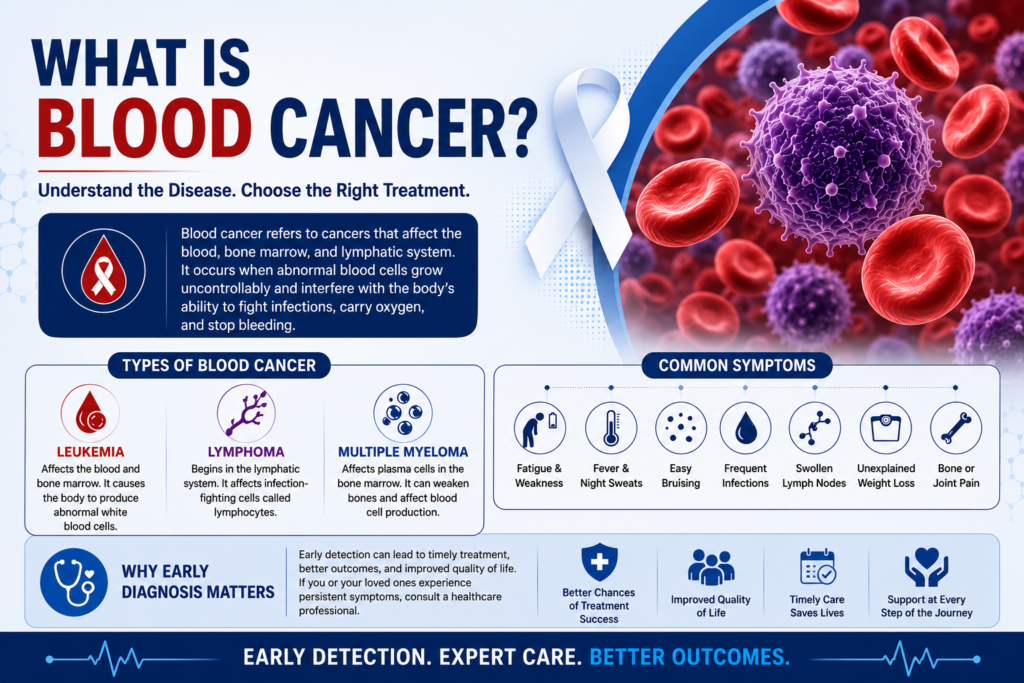
Before understanding Is Blood Cancer Curable in India, it is important to know what blood cancer is and how it affects the body. Blood cancer is a group of cancers that begin in the bone marrow, blood, or lymphatic system. Unlike solid tumours that form a mass, blood cancers interfere with the production and function of healthy blood cells, making it difficult for the body to fight infections, carry oxygen, and control bleeding.
Healthy bone marrow continuously produces red blood cells, white blood cells, and platelets. Blood cancer develops when genetic mutations cause abnormal blood cells to grow uncontrollably.
These abnormal cells multiply rapidly, crowding out healthy blood cells and disrupting normal body functions. Although the exact cause is not always known, factors such as genetic abnormalities, exposure to radiation, certain chemicals, smoking, viral infections, and weakened immunity may increase the risk.
There are three major types of blood cancer, each affecting different blood cells:
1. Leukemia
Leukemia starts in the bone marrow and causes the production of abnormal white blood cells. These cells fail to function properly and multiply rapidly, preventing healthy blood cells from developing. Leukemia can be acute (fast-growing) or chronic (slow-growing).
2. Lymphoma
Lymphoma affects the lymphatic system, an essential part of the immune system. It develops when lymphocytes, a type of white blood cell, become cancerous. The two main categories are Hodgkin lymphoma and Non-Hodgkin lymphoma, both of which have different treatment approaches and outcomes.
3. Multiple Myeloma
Multiple myeloma develops in plasma cells, which are responsible for producing antibodies. The disease weakens the immune system and can damage bones, kidneys, and other organs if left untreated.
Blood cancers are becoming an increasing health concern in India. According to GLOBOCAN 2022, leukemia, lymphoma, and multiple myeloma together account for tens of thousands of new cancer cases every year, making them among the most commonly diagnosed cancers in the country. Advances in diagnostic technologies and improved awareness have also led to earlier detection, which has significantly improved treatment outcomes.
The most common blood cancers in India include:
- Acute Lymphoblastic Leukemia (ALL)
- Acute Myeloid Leukemia (AML)
- Chronic Myeloid Leukemia (CML)
- Chronic Lymphocytic Leukemia (CLL)
- Hodgkin Lymphoma
- Non-Hodgkin Lymphoma
- Multiple Myeloma
Although these diseases differ in their behaviour and treatment, early diagnosis and access to specialised care can make a significant difference. Understanding the different types of blood cancer also helps answer an important question: Is Blood Cancer Curable in India?
The chances of successful treatment often depend on the specific type of blood cancer, its stage, and how early it is diagnosed. In the next section, we will explore whether all types of blood cancer are curable in India and what factors influence treatment success.
Also Read: Can Stage 1 Cancer Be Cured?
Is Blood Cancer Curable in India for All Types?
A common concern among patients and their families is whether Is Blood Cancer Curable in India for all types. The answer is not the same for every blood cancer. Blood cancer is not a single disease but a group of cancers that behave differently, respond differently to treatment, and have varying cure rates. Fortunately, with advances in cancer care, many patients in India are achieving long-term remission and, in some cases, complete cure.
When discussing Is Blood Cancer Curable in India, doctors consider several factors, including the specific type of blood cancer, its stage at diagnosis, the patient’s age, overall health, and response to treatment. Modern therapies such as chemotherapy, targeted therapy, immunotherapy, and bone marrow transplantation have significantly improved survival rates over the past two decades.
Leukemia
Leukemia affects the blood and bone marrow and includes both acute and chronic forms. Acute leukemias, such as Acute Lymphoblastic Leukemia (ALL), can often be cured, especially in children, where cure rates may exceed 85–90% with timely treatment. Adults with ALL and Acute Myeloid Leukemia (AML) can also achieve long-term remission or cure, although outcomes depend on genetic factors and overall health.
Chronic leukemias, including Chronic Myeloid Leukemia (CML), have become highly manageable due to targeted medicines called tyrosine kinase inhibitors (TKIs). Many patients now enjoy a near-normal life expectancy with regular treatment and monitoring.
Lymphoma
Lymphoma is one of the most treatable blood cancers. Hodgkin lymphoma is considered one of the most curable cancers, with five-year survival rates often exceeding 85–90%, particularly when diagnosed early. Many forms of Non-Hodgkin lymphoma are also highly treatable, although outcomes vary depending on the subtype and stage of the disease. Early diagnosis and personalised treatment play a major role in improving survival.
Multiple Myeloma
Multiple myeloma is generally regarded as a treatable but often not completely curable blood cancer. However, major advances in targeted therapy, immunotherapy, and autologous bone marrow transplantation have greatly improved patient outcomes. Many individuals now live for 10 years or longer, maintaining a good quality of life with ongoing treatment and regular follow-up.
Factors Affecting Cure Rates
The answer to Is Blood Cancer Curable in India depends on more than just the type of cancer. Several factors influence the likelihood of successful treatment, including:
- The type and subtype of blood cancer
- Stage of the disease at diagnosis
- Age and overall health of the patient
- Genetic and molecular characteristics of the cancer
- Availability of advanced treatments
- Response to initial therapy
- Timely diagnosis and expert medical care
According to global cancer research, survival rates for many blood cancers have improved dramatically because of earlier diagnosis and the availability of personalised treatment options. India now offers world-class cancer care, including advanced diagnostics, precision medicine, and bone marrow transplantation at leading cancer centres.
So, Is Blood Cancer Curable in India? For many patients, the answer is yes, while for others, the disease can often be effectively controlled for years with modern treatment. The key is early diagnosis, accurate classification of the cancer, and a personalised treatment plan. In the next section, we will discuss the common symptoms of blood cancer and the warning signs that should never be ignored.
Also Read: Is Blood Cancer Hereditary?
What Are the Symptoms of Blood Cancer?
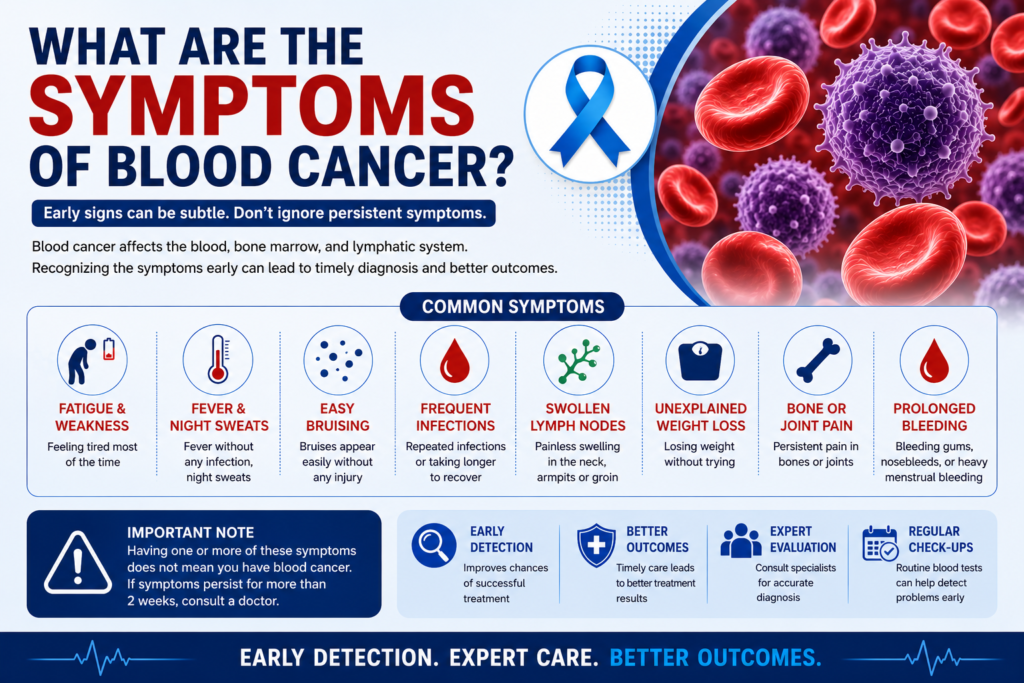
Recognising the symptoms early is one of the most important steps in improving treatment outcomes. Many people wonder, “Is Blood Cancer Curable in India?” While the answer depends on several factors, one thing is clear—early diagnosis significantly increases the chances of successful treatment.
Unfortunately, the symptoms of blood cancer are often vague and may resemble common illnesses such as viral infections or seasonal flu, causing many people to delay seeking medical attention.
Blood cancer affects the production and function of healthy blood cells. As abnormal blood cells multiply, they interfere with the body’s ability to fight infections, carry oxygen, and control bleeding. The symptoms may develop gradually or appear suddenly, depending on the type of blood cancer.
Early Warning Signs of Blood Cancer
Although symptoms vary from person to person, some of the most common warning signs include:
- Persistent fatigue or weakness that does not improve with rest
- Frequent or recurring infections
- Unexplained fever or night sweats
- Unintentional weight loss
- Swollen lymph nodes in the neck, armpits, or groin
- Easy bruising or excessive bleeding
- Pale skin caused by anaemia
- Bone or joint pain
- Shortness of breath during routine activities
- Tiny red or purple spots on the skin (petechiae)
These symptoms do not always indicate blood cancer, but if they persist for more than two weeks or worsen over time, they should not be ignored.
When Should You Consult a Doctor?
Many patients dismiss early symptoms as stress, overwork, or minor infections. However, it is advisable to consult a healthcare professional if you experience:
- Persistent fever without an obvious cause
- Recurrent infections despite treatment
- Swollen lymph nodes that do not reduce in size
- Unexplained bruising or prolonged bleeding
- Significant weight loss without dieting
- Extreme tiredness that affects daily life
A doctor may recommend blood tests and, if necessary, further investigations to identify the underlying cause. Early medical evaluation can make a significant difference, especially when considering Is Blood Cancer Curable in India, as treatment is generally more effective when the disease is detected in its early stages.
Importance of Timely Diagnosis
Timely diagnosis is one of the strongest predictors of successful treatment. According to the World Health Organization (WHO), early detection and prompt treatment improve survival rates and reduce complications for many types of cancer. Advances in diagnostic techniques, including complete blood counts (CBC), bone marrow biopsy, flow cytometry, and genetic testing, allow doctors to identify blood cancers more accurately than ever before.
When discussing Is Blood Cancer Curable in India, it is important to remember that early diagnosis often leads to better treatment outcomes, fewer complications, and improved quality of life. Delaying medical attention can allow the disease to progress, making treatment more complex.
Understanding these warning signs empowers individuals to seek help at the right time. In the next section, we will explore how blood cancer is diagnosed in India and the advanced tests used to confirm the disease.
Also Read: What is the ESR Level in Cancer Patients
How Is Blood Cancer Diagnosed in India?
If you’re wondering “Is Blood Cancer Curable in India?”, the journey begins with an accurate and timely diagnosis. Early and precise diagnosis not only confirms the presence of blood cancer but also identifies its type, subtype, and stage. This information is essential for selecting the most effective treatment plan. Today, India is equipped with advanced diagnostic technologies and specialised cancer centres that provide world-class testing for blood cancers.
The diagnosis of blood cancer usually involves a combination of laboratory tests, imaging techniques, and specialised molecular investigations. Each test provides valuable information that helps doctors understand the disease better and personalise treatment.
Blood Tests
The first step in diagnosing blood cancer is usually a Complete Blood Count (CBC). This simple blood test measures the number of red blood cells, white blood cells, and platelets. Abnormal levels may indicate conditions such as leukemia or lymphoma. Additional blood tests, including peripheral blood smear, liver and kidney function tests, and lactate dehydrogenase (LDH) levels, help assess overall health and identify abnormalities that require further evaluation.
While blood tests alone cannot always confirm blood cancer, they provide important clues that guide the next stage of diagnosis.
Bone Marrow Biopsy
A bone marrow biopsy is considered the gold standard for diagnosing many types of blood cancer, particularly leukemia and multiple myeloma. During this procedure, a small sample of bone marrow is taken—usually from the hip bone—and examined under a microscope.
This test helps determine:
- The presence of cancer cells
- The percentage of abnormal cells
- The type of blood cancer
- The extent of bone marrow involvement
The procedure is performed under local anaesthesia and usually takes less than 30 minutes.
PET-CT Scan
A PET-CT scan combines metabolic imaging with detailed anatomical images to identify cancer activity throughout the body. It is especially useful for diagnosing and staging lymphoma, evaluating how far the disease has spread, and monitoring the response to treatment.
PET-CT scans also help doctors detect recurrent disease after treatment, allowing timely intervention when needed.
Flow Cytometry
Flow cytometry is a highly specialised laboratory test that analyses the characteristics of blood or bone marrow cells. It identifies specific proteins on the surface of cancer cells, enabling doctors to distinguish between different types of leukemia and lymphoma with remarkable accuracy.
This test is particularly valuable because treatment strategies vary significantly depending on the exact subtype of blood cancer.
Genetic and Molecular Testing
Modern cancer care increasingly relies on genetic and molecular testing. These tests detect chromosome abnormalities, gene mutations, and molecular markers that influence treatment decisions and prognosis.
For example:
- BCR-ABL1 testing is essential for diagnosing Chronic Myeloid Leukemia (CML).
- FLT3, NPM1, and IDH mutations help guide treatment in Acute Myeloid Leukemia (AML).
- FISH (Fluorescence In Situ Hybridization) and Next-Generation Sequencing (NGS) provide detailed genetic information that supports precision medicine.
Studies show that molecular testing has significantly improved treatment outcomes by enabling personalised therapies that target specific genetic abnormalities. This approach allows doctors to choose treatments that are more effective while reducing unnecessary side effects.
When discussing Is Blood Cancer Curable in India, early and accurate diagnosis remains one of the strongest factors influencing treatment success. India has made remarkable progress in cancer diagnostics, with many hospitals offering advanced technologies comparable to international standards.
Detecting blood cancer at an early stage allows treatment to begin sooner, often leading to better outcomes, higher survival rates, and an improved quality of life. This is why recognising symptoms early and undergoing the right diagnostic tests can make a meaningful difference in a patient’s cancer journey.
What Are the Best Blood Cancer Treatments in India?
One of the biggest reasons survival rates for blood cancer have improved over the past two decades is the availability of advanced treatment options. If you’re asking, “Is Blood Cancer Curable in India?”, the answer largely depends on choosing the right treatment at the right time. Today, India offers comprehensive blood cancer care with access to modern therapies that meet international standards. Treatment is personalised based on the type of blood cancer, stage of the disease, genetic profile, age, and overall health of the patient.
In many cases, doctors combine different treatment approaches to achieve the best possible outcomes.
Chemotherapy
Chemotherapy remains one of the most widely used treatments for blood cancer. It uses anti-cancer drugs to destroy rapidly growing cancer cells or stop them from multiplying. Chemotherapy is commonly used to treat leukemia, lymphoma, and multiple myeloma, either alone or in combination with other therapies.
Depending on the type of blood cancer, chemotherapy may be given in cycles over several weeks or months. Advances in supportive care have also helped reduce side effects, allowing many patients to complete treatment more comfortably than in the past.
Targeted Therapy
Unlike chemotherapy, targeted therapy attacks specific proteins or genetic mutations that help cancer cells grow. This approach damages cancer cells while causing less harm to healthy cells.
For example, Tyrosine Kinase Inhibitors (TKIs) have transformed the treatment of Chronic Myeloid Leukemia (CML), enabling many patients to achieve long-term disease control with daily oral medication. Targeted therapy has become a key reason why many people now ask Is Blood Cancer Curable in India, as these medicines have significantly improved survival and quality of life.
Immunotherapy
Immunotherapy works by strengthening the body’s own immune system to recognise and destroy cancer cells. Treatments such as monoclonal antibodies and immune checkpoint inhibitors are increasingly used for certain types of lymphoma and other blood cancers.
Clinical studies have shown that immunotherapy can provide long-lasting responses in selected patients, particularly when conventional treatments are less effective.
Bone Marrow Transplant
A Bone Marrow Transplant (BMT), also known as a stem cell transplant, is one of the most effective treatments for certain high-risk or recurrent blood cancers. During this procedure, damaged bone marrow is replaced with healthy stem cells that can produce normal blood cells.
There are two main types:
- Autologous transplant, using the patient’s own stem cells.
- Allogeneic transplant, using stem cells from a compatible donor.
Bone marrow transplantation is commonly recommended for selected patients with leukemia, lymphoma, and multiple myeloma. With experienced transplant teams and improved infection control, success rates have steadily increased in India over the last decade.
CAR-T Cell Therapy
CAR-T Cell Therapy is one of the newest and most promising advances in blood cancer treatment. In this therapy, a patient’s own T-cells are collected, genetically modified in a laboratory to recognise cancer cells, and then infused back into the body to attack the disease.
CAR-T therapy has shown remarkable success in certain patients with relapsed or treatment-resistant B-cell Acute Lymphoblastic Leukemia (ALL) and Diffuse Large B-Cell Lymphoma (DLBCL). While it is currently available only at select specialised centres and may not be suitable for every patient, ongoing research is expanding its use across more types of blood cancer.
When discussing Is Blood Cancer Curable in India, it is important to recognise how dramatically treatment has evolved. Today, many patients benefit from personalised treatment plans that combine chemotherapy, targeted therapy, immunotherapy, bone marrow transplantation, or CAR-T cell therapy based on their individual condition.
These medical advances have improved remission rates, extended survival, and, in many cases, made long-term recovery a realistic possibility. The best treatment is always the one tailored to the patient’s specific diagnosis and guided by an experienced oncology team.
What Factors Affect Whether Blood Cancer Is Curable in India?
Many people ask, “Is Blood Cancer Curable in India?” While modern medicine has significantly improved outcomes, there is no single answer that applies to every patient. The chances of cure or long-term remission depend on several medical and personal factors. Understanding these factors helps patients and their families set realistic expectations and make informed treatment decisions.
Today, thanks to advances in precision medicine and specialised cancer care, many blood cancers are more treatable than ever before. However, the success of treatment depends on a combination of the following factors.
Type and Stage of Blood Cancer
The type of blood cancer plays the biggest role in determining treatment outcomes. Some blood cancers, such as Hodgkin lymphoma and Acute Lymphoblastic Leukemia (ALL), often have high cure rates when diagnosed early. Others, such as multiple myeloma, are generally considered manageable long-term conditions rather than completely curable diseases.
The stage or extent of the disease also matters. Blood cancers diagnosed before they spread extensively or cause severe complications are usually easier to treat. Early diagnosis often allows doctors to start treatment sooner, improving survival rates and reducing the risk of complications.
Age and Overall Health
A patient’s age, physical fitness, and overall health have a significant impact on treatment success. Younger patients and those without major medical conditions generally tolerate intensive treatments such as chemotherapy and bone marrow transplantation more effectively.
However, age alone does not determine outcomes. Many older adults respond well to modern therapies, especially when treatment is tailored to their health status and individual needs.
Genetic Mutations
Advances in molecular medicine have shown that genetic mutations influence how blood cancer behaves and responds to treatment. Tests that identify mutations such as BCR-ABL1, FLT3, NPM1, TP53, and IDH help doctors select the most effective therapies.
Personalised treatment based on genetic testing has improved survival rates and reduced unnecessary side effects. This is one of the key reasons why many patients now have better outcomes than they did a decade ago.
Response to Treatment
Every patient’s body responds differently to treatment. Some people achieve complete remission after the first course of therapy, while others may require additional treatments or different medications.
Doctors regularly monitor treatment response using blood tests, bone marrow examinations, imaging, and molecular testing. A strong early response is often associated with better long-term outcomes and a lower risk of relapse.
Access to Specialised Cancer Care
Access to experienced oncologists, advanced diagnostic facilities, and specialised cancer centres plays a crucial role in treatment success. India has made remarkable progress in cancer care, with many hospitals offering precision medicine, targeted therapy, immunotherapy, stem cell transplantation, and comprehensive supportive care comparable to international standards.
According to recent cancer survival studies, patients treated at specialised centres with multidisciplinary teams often experience better outcomes due to accurate diagnosis, personalised treatment planning, and continuous follow-up.
When discussing Is Blood Cancer Curable in India, it is important to remember that treatment success is influenced by multiple factors rather than a single diagnosis. Early detection, the right treatment strategy, access to specialised care, and regular follow-up together provide the best opportunity for long-term remission or cure.
With continued advancements in cancer research and personalised medicine, the outlook for many patients with blood cancer continues to improve year after year.
Can Blood Cancer Be Cured Without Bone Marrow Transplant?
One of the most common questions patients ask after being diagnosed is whether a bone marrow transplant is absolutely necessary. The answer is no—not every patient with blood cancer requires a bone marrow transplant. In fact, many people achieve long-term remission or even a cure with medicines alone, depending on the type of blood cancer and how well it responds to treatment.
When discussing Is Blood Cancer Curable in India, it’s important to understand that treatment is highly personalised. Advances in chemotherapy, targeted therapy, immunotherapy, and precision medicine have reduced the need for bone marrow transplantation in many patients. The decision to recommend a transplant is based on the patient’s individual condition rather than following the same approach for everyone.
When Is a Bone Marrow Transplant Needed?
A bone marrow transplant (BMT) is usually recommended when the blood cancer is considered high-risk, aggressive, recurrent, or resistant to standard treatment. It replaces damaged bone marrow with healthy stem cells, allowing the body to produce normal blood cells again.
A transplant may be advised for:
- Certain high-risk types of Acute Myeloid Leukemia (AML)
- Relapsed or high-risk Acute Lymphoblastic Leukemia (ALL)
- Some aggressive Non-Hodgkin Lymphomas
- Multiple Myeloma, particularly in eligible patients after initial therapy
- Blood cancers that return after successful treatment
Not every patient is suitable for transplantation. Doctors also consider age, overall health, donor availability, and the potential benefits compared with the risks before recommending the procedure.
When Are Medicines Alone Sufficient?
Many blood cancers can be successfully managed with medications alone, especially when diagnosed early or when they respond well to treatment.
For example:
- Many patients with Chronic Myeloid Leukemia (CML) achieve excellent long-term control with targeted medicines called Tyrosine Kinase Inhibitors (TKIs), often without ever needing a transplant.
- Patients with Hodgkin lymphoma frequently achieve complete remission with chemotherapy and, in some cases, immunotherapy.
- Several low-risk forms of leukemia and lymphoma respond well to chemotherapy, targeted therapy, or immunotherapy without requiring stem cell transplantation.
Recent advances in targeted therapies and immunotherapy have significantly improved survival rates while reducing the need for more intensive treatments in selected patients.
Individualised Treatment Planning
No two patients have the same blood cancer. Even people diagnosed with the same type of leukemia or lymphoma may require completely different treatment plans. This is why doctors develop an individualised treatment strategy based on several factors, including:
- The type and subtype of blood cancer
- Stage and aggressiveness of the disease
- Genetic and molecular test results
- Age and overall health
- Response to initial treatment
- Risk of relapse
According to the National Comprehensive Cancer Network (NCCN) and other international treatment guidelines, personalised treatment planning has become the standard of care because it improves outcomes while avoiding unnecessary procedures whenever possible.
So, Is Blood Cancer Curable in India without a bone marrow transplant? For many patients, yes. Modern medicines, including chemotherapy, targeted therapy, and immunotherapy, are often highly effective and may eliminate the need for transplantation altogether. However, for others, a bone marrow transplant offers the best chance of long-term remission or cure.
The right treatment depends on the individual’s diagnosis, disease characteristics, and response to therapy, making expert evaluation and personalised care essential for achieving the best possible outcome.
What Is the Success Rate of Blood Cancer Treatment in India?
One of the first questions patients and their families ask after diagnosis is, “What is the success rate of blood cancer treatment in India?” The encouraging news is that treatment outcomes have improved dramatically over the past two decades. Thanks to advances in medical technology, precision medicine, and specialised cancer centres, many patients today achieve long-term remission, while others are successfully cured depending on the type of blood cancer and how early it is diagnosed.
When discussing Is Blood Cancer Curable in India, it is important to understand that there is no single success rate for all blood cancers. Every type behaves differently, and outcomes vary depending on factors such as the patient’s age, overall health, stage of the disease, genetic profile, and response to treatment.
Advances in Cancer Care
India has witnessed remarkable progress in blood cancer treatment. Modern cancer centres now offer therapies that meet international standards, including:
- Chemotherapy with improved supportive care
- Targeted therapy based on genetic mutations
- Immunotherapy
- Bone marrow (stem cell) transplantation
- CAR-T Cell Therapy at select specialised centres
- Precision medicine guided by molecular testing
These advancements have not only increased survival rates but have also reduced treatment-related complications and improved patients’ quality of life. According to global cancer research, survival rates for several blood cancers have steadily increased because of earlier diagnosis and the availability of more effective therapies.
Survival Outcomes
The success rate of treatment varies depending on the specific blood cancer.
For example:
- Hodgkin lymphoma has one of the highest cure rates, with a 5-year survival rate of over 85–90%, especially when diagnosed early.
- Childhood Acute Lymphoblastic Leukemia (ALL) has cure rates approaching 90% in many specialised centres.
- Patients with Chronic Myeloid Leukemia (CML) who receive targeted therapy often have a life expectancy close to that of the general population.
- Although multiple myeloma is usually not considered completely curable, modern treatment has significantly extended survival, with many patients living 10 years or more while maintaining a good quality of life.
These figures continue to improve as newer medicines and treatment strategies become more widely available.
Importance of Personalised Treatment
One of the biggest reasons for improved outcomes is the shift toward personalised treatment. Instead of using the same treatment for every patient, doctors now create customised treatment plans based on:
- The type and subtype of blood cancer
- Genetic and molecular test results
- Age and overall health
- Stage of the disease
- Risk of relapse
- Response to previous treatment
This personalised approach allows doctors to select the most effective therapy while reducing unnecessary side effects. It also helps identify patients who may benefit from targeted therapy, immunotherapy, or bone marrow transplantation.
When considering Is Blood Cancer Curable in India, success depends not only on the treatment itself but also on receiving the right treatment at the right time. Early diagnosis, access to experienced specialists, advanced diagnostic facilities, and personalised treatment planning have transformed blood cancer care in India.
While every patient’s journey is unique, ongoing medical advancements continue to improve survival rates, making long-term remission and cure an increasingly achievable goal for many people diagnosed with blood cancer.
How Much Does Blood Cancer Treatment Cost in India?
One of the most common concerns after diagnosis is the cost of treatment. Patients often ask whether high-quality cancer care is affordable and whether insurance can help cover expenses. If you’re wondering “Is Blood Cancer Curable in India?”, it’s equally important to understand the financial aspects of treatment.
The overall cost varies widely because every patient receives a personalised treatment plan based on the type of blood cancer, its stage, and the therapies required.
Compared with many developed countries, India offers advanced blood cancer treatment at a significantly lower cost while maintaining high standards of medical care. This has also made India a preferred destination for both domestic and international patients seeking specialised cancer treatment.
Factors Affecting Treatment Cost
The total cost of blood cancer treatment depends on several factors, including:
- Type of blood cancer (leukemia, lymphoma, or multiple myeloma)
- Stage and aggressiveness of the disease
- Treatment approach, such as chemotherapy, targeted therapy, immunotherapy, or stem cell transplant
- Duration of treatment and number of treatment cycles
- Hospital and city, as costs may differ between healthcare centres
- Need for advanced investigations, including PET-CT scans, bone marrow biopsy, genetic testing, and molecular diagnostics
- Supportive care, including blood transfusions, antibiotics, hospital admission, and follow-up care
For some patients, treatment may last only a few months, while others require long-term therapy or maintenance medication, which can increase overall costs.
Bone Marrow Transplant Cost
A bone marrow transplant (BMT) is one of the most specialised and resource-intensive treatments for blood cancer. The total cost depends on the type of transplant, the patient’s medical condition, and the complexity of post-transplant care.
In India, the approximate costs are:
- Autologous Bone Marrow Transplant: ₹10–20 lakh
- Allogeneic Bone Marrow Transplant: ₹18–35 lakh or more
- Haploidentical or Matched Unrelated Donor (MUD) Transplant: Costs may exceed ₹35 lakh, depending on donor availability, hospital stay, medications, and supportive care.
Although transplantation involves a significant financial commitment, it can offer the best chance of long-term remission or cure for selected patients with high-risk or relapsed blood cancers.
Financial Planning and Insurance
The cost of blood cancer treatment can be substantial, but there are several ways to manage the financial burden.
Many health insurance policies now cover chemotherapy, hospitalisation, targeted therapy, and, in eligible cases, bone marrow transplantation. In addition, patients may benefit from:
- Government-sponsored healthcare schemes
- Employer-provided medical insurance
- Charitable trusts and non-profit organisations
- Hospital financial assistance programmes
- Pharmaceutical patient-support initiatives for selected high-cost medicines
Discussing treatment costs with the healthcare team before starting therapy can help families understand the expected expenses and explore available financial support options.
When considering Is Blood Cancer Curable in India, cost should never be viewed in isolation. The most effective treatment depends on the patient’s diagnosis, disease characteristics, and overall health. India offers internationally recognised cancer care at comparatively affordable costs, with access to advanced therapies and experienced specialists.
Careful financial planning, timely insurance approvals, and awareness of available support programmes can help patients focus on what matters most—receiving the right treatment at the right time for the best possible outcome.
Can Blood Cancer Come Back After Treatment?
One of the biggest concerns for patients after completing treatment is whether the cancer could return. The answer is yes, some blood cancers can come back after treatment, a situation known as relapse. However, a relapse does not mean treatment has failed or that there are no further options. Many patients respond well to additional therapies, and advances in targeted therapy, immunotherapy, and bone marrow transplantation have improved outcomes for recurrent blood cancers.
When asking “Is Blood Cancer Curable in India?”, it is important to understand that the risk of relapse varies widely depending on the type of blood cancer, its genetic characteristics, the stage at diagnosis, and how well it responded to initial treatment. Regular follow-up and early detection of recurrence play a vital role in achieving the best possible outcomes.
Relapse Risk
The likelihood of blood cancer returning is different for every patient. Some blood cancers have a very low risk of relapse after successful treatment, while others may require long-term monitoring because recurrence is more common.
Several factors influence the risk of relapse, including:
- Type and subtype of blood cancer
- Stage of the disease at diagnosis
- Genetic and molecular abnormalities
- Response to initial treatment
- Minimal Residual Disease (MRD) status after therapy
- Overall health and immune function
For example, Hodgkin lymphoma often has excellent long-term cure rates, whereas diseases such as multiple myeloma are more likely to relapse over time, although they can often be managed successfully with newer treatments. Similarly, some patients with leukemia may require additional therapy or stem cell transplantation if the disease returns.
Follow-up Care
Completing treatment does not mean cancer care has ended. Regular follow-up appointments are an essential part of recovery and long-term disease management. These visits help doctors monitor the patient’s health, detect any signs of recurrence early, and manage late effects of treatment.
Follow-up care may include:
- Physical examinations
- Complete blood counts (CBC)
- Bone marrow evaluation, when required
- Imaging tests such as PET-CT or CT scans
- Molecular and genetic testing to detect residual disease
- Assessment of treatment-related side effects and overall well-being
During these appointments, patients are also encouraged to discuss any new symptoms, such as unexplained fever, persistent fatigue, swollen lymph nodes, unusual bruising, or weight loss, as early reporting can lead to prompt evaluation.
Long-Term Monitoring
Long-term monitoring is an important part of blood cancer survivorship. Even after achieving complete remission, some patients require regular check-ups for several years because the risk of relapse is highest during the initial years after treatment, although it can occur later in certain cancers.
Monitoring also helps doctors:
- Detect relapse at the earliest possible stage
- Evaluate long-term treatment effects
- Monitor heart, kidney, liver, and bone marrow function
- Provide nutritional, psychological, and rehabilitation support
- Improve overall quality of life after cancer treatment
Maintaining a healthy lifestyle, following medical advice, and attending scheduled follow-up visits can further support recovery and overall health.
When discussing Is Blood Cancer Curable in India, it is important to remember that successful treatment does not always mean the journey ends with the last chemotherapy session. Ongoing follow-up and long-term monitoring are essential to ensure that any recurrence is identified and treated promptly.
With modern surveillance strategies, personalised treatment plans, and access to advanced therapies, many patients who experience a relapse can still achieve long-term remission and continue to lead active, fulfilling lives.
Can You Live a Normal Life After Blood Cancer Treatment?
For many patients, one of the most important questions after completing treatment is, “Can I live a normal life again?” The answer is yes, many people return to active, fulfilling lives after blood cancer treatment. Advances in cancer care have not only improved survival rates but have also helped patients recover more quickly and maintain a better quality of life.
When discussing Is Blood Cancer Curable in India, it’s important to remember that recovery doesn’t end when treatment is completed. Physical healing, emotional recovery, and regular follow-up care are all essential parts of the journey. While recovery time varies from person to person, many patients gradually return to work, family life, travel, hobbies, and other daily activities.
Recovery After Treatment
Recovery depends on several factors, including the type of blood cancer, the treatment received, age, and overall health. Some people regain their strength within a few months, while others—especially those who have undergone intensive chemotherapy or a bone marrow transplant—may need a longer recovery period.
Common experiences during recovery include:
- Temporary fatigue or reduced stamina
- Weakened immunity for a period of time
- Gradual improvement in blood counts
- Regular medical follow-up to monitor health
Most patients notice steady improvements in their energy levels and physical health as the body continues to heal.
Healthy Lifestyle Changes
Adopting healthy habits after treatment can support recovery and reduce the risk of complications. Doctors often recommend:
- Avoiding tobacco and limiting alcohol consumption
- Getting adequate sleep each night
- Practising good hygiene to reduce the risk of infections
- Staying up to date with recommended vaccinations after medical advice
- Attending all scheduled follow-up appointments
These lifestyle measures help strengthen the immune system and promote long-term well-being.
Nutrition and Exercise
A balanced diet and regular physical activity play an important role in recovery after blood cancer treatment.
A healthy diet should include:
- Fresh fruits and vegetables
- Whole grains
- Lean proteins such as fish, eggs, beans, and pulses
- Healthy fats from nuts, seeds, and vegetable oils
- Adequate fluids to stay hydrated
Patients should also follow any dietary advice provided by their healthcare team, particularly if they have recently undergone chemotherapy or a bone marrow transplant.
Regular exercise, even gentle activities such as walking, stretching, yoga, or light strength training, can help:
- Improve energy levels
- Rebuild muscle strength
- Support heart and bone health
- Reduce fatigue
- Enhance overall quality of life
Exercise programmes should be introduced gradually and discussed with the treating doctor, especially during the early stages of recovery.
Emotional Well-Being
Recovering from blood cancer is not only a physical process but also an emotional one. Many survivors experience feelings of anxiety, fear of recurrence, stress, or uncertainty about the future. These emotions are common and should not be ignored.
Emotional well-being can be supported through:
- Open communication with family and friends
- Counselling or psychological support
- Cancer survivor support groups
- Mindfulness, meditation, or relaxation techniques
- Seeking professional help if anxiety or depression persists
Many hospitals now offer comprehensive survivorship programmes that address both physical and emotional recovery, helping patients rebuild confidence and return to everyday life.
When considering Is Blood Cancer Curable in India, it is encouraging to know that many survivors go on to enjoy long, productive, and meaningful lives after treatment. With regular follow-up, a healthy lifestyle, balanced nutrition, physical activity, and emotional support, patients can successfully navigate life beyond cancer.
Recovery is a gradual journey, but with the right care and ongoing medical guidance, many people regain their independence and look forward to a healthy future.
How Can Blood Cancer Be Detected Early?
Early detection is one of the most important factors in improving the chances of successful treatment. Many people diagnosed in the early stages respond better to therapy and experience fewer complications than those diagnosed after the disease has progressed. If you’re wondering “Is Blood Cancer Curable in India?”, recognising the warning signs early and seeking prompt medical attention can make a significant difference in treatment outcomes.
Unlike some cancers, blood cancers do not always form a visible lump or tumour. Instead, they often cause symptoms related to abnormal blood cells or changes in the immune system. Understanding these symptoms and undergoing timely evaluation can lead to an earlier diagnosis and more effective treatment.
Recognising the Symptoms
The early symptoms of blood cancer can be mild and may resemble common illnesses, which is why they are sometimes overlooked. However, persistent or unexplained symptoms should never be ignored.
Common warning signs include:
- Persistent fatigue or weakness
- Frequent or recurrent infections
- Unexplained fever or night sweats
- Easy bruising or prolonged bleeding
- Pale skin due to anaemia
- Swollen lymph nodes in the neck, armpits, or groin
- Bone or joint pain
- Unexplained weight loss or loss of appetite
- Shortness of breath during routine activities
Having one or more of these symptoms does not necessarily mean a person has blood cancer, but if they persist for several weeks or worsen over time, it is important to seek medical evaluation.
Regular Health Check-ups
Routine health check-ups can help identify abnormalities before symptoms become severe. A Complete Blood Count (CBC) is a simple and widely available test that can detect unusual changes in red blood cells, white blood cells, or platelets, often providing the first indication that further investigation is needed.
People should also consult a doctor if routine blood tests repeatedly show unexplained abnormalities, even if they feel well. Early investigations may include additional blood tests, bone marrow examination, or genetic testing when clinically indicated.
High-Risk Individuals
Although blood cancer can affect anyone, certain people have a higher risk and may benefit from closer medical monitoring.
Higher-risk groups include:
- Individuals with a strong family history of certain blood cancers
- People with inherited genetic disorders associated with an increased cancer risk
- Those previously treated with chemotherapy or radiation therapy for another cancer
- Individuals with certain bone marrow disorders or weakened immune systems
- People with prolonged exposure to specific industrial chemicals, such as benzene
Being in a higher-risk group does not mean a person will develop blood cancer, but it does highlight the importance of regular medical check-ups and early evaluation of any concerning symptoms.
Importance of Early Diagnosis
Early diagnosis allows treatment to begin before the disease progresses, increasing the likelihood of achieving remission or, in some cases, a cure. It also enables doctors to select the most appropriate treatment based on the type of blood cancer, its genetic characteristics, and the patient’s overall health.
Studies have consistently shown that patients diagnosed at an earlier stage often experience better treatment responses, lower complication rates, and improved long-term survival compared with those diagnosed after the disease has advanced.
When discussing Is Blood Cancer Curable in India, early detection remains one of the strongest predictors of treatment success. Recognising symptoms promptly, attending regular health check-ups, and seeking expert medical advice without delay can significantly improve outcomes.
With modern diagnostic tools and specialised cancer care available across India, many patients diagnosed early have an excellent chance of successful treatment and long-term recovery.
Why Choose Dr. (Brig.) A.K. Dhar for Blood Cancer Treatment in India?
Choosing the right oncologist is one of the most important decisions after a blood cancer diagnosis. Expertise, experience, and access to advanced treatment options can significantly influence outcomes. If you are searching for an experienced specialist while asking “Is Blood Cancer Curable in India?”, Dr. (Brig.) A.K. Dhar is among the country’s highly respected Medical Oncologists and Bone Marrow Transplant Specialists, with decades of experience in treating both common and complex blood cancers.
With a patient-centred approach and a strong focus on evidence-based medicine, Dr. Dhar combines advanced diagnostics with personalised treatment strategies to provide comprehensive cancer care.
35+ Years of Experience
Dr. (Brig.) A.K. Dhar brings more than 35 years of experience in the diagnosis and treatment of blood cancers and solid tumours. Throughout his distinguished career, he has served in leading healthcare institutions and has remained at the forefront of advances in medical oncology, bone marrow transplantation, and precision cancer care.
His extensive clinical experience enables him to manage both newly diagnosed and complex or relapsed blood cancers with confidence and expertise.
30,000+ Patients Treated
Over the course of his career, Dr. Dhar has treated more than 30,000 patients, helping individuals and families navigate every stage of their cancer journey. His experience covers a wide spectrum of cancers, ranging from early-stage disease to advanced and high-risk cases requiring specialised treatment.
His commitment to compassionate care, clear communication, and personalised treatment has earned the trust of patients from across India and abroad.
Expertise in Leukemia, Lymphoma, and Multiple Myeloma
Dr. Dhar has extensive expertise in the diagnosis and management of major blood cancers, including:
- Acute and Chronic Leukemia
- Hodgkin and Non-Hodgkin Lymphoma
- Multiple Myeloma
- Myelodysplastic Syndromes (MDS)
- Other complex hematological malignancies
Every treatment plan is tailored according to the patient’s disease type, stage, genetic profile, and overall health, ensuring the most appropriate and effective approach for each individual.
Bone Marrow Transplant Specialist
As an experienced Bone Marrow Transplant (BMT) Specialist, Dr. Dhar has expertise in performing and managing various types of stem cell transplantation, including:
- Autologous Bone Marrow Transplant
- Allogeneic Bone Marrow Transplant
- Haploidentical Transplant
- Matched Unrelated Donor (MUD) Transplant
- Cord Blood Transplant
Bone marrow transplantation remains a life-saving treatment for many patients with leukemia, lymphoma, multiple myeloma, and other high-risk blood disorders. Careful patient selection, meticulous planning, and comprehensive post-transplant care contribute to achieving the best possible outcomes.
Precision Oncology and Personalised Cancer Treatment
Modern cancer treatment is no longer based on a one-size-fits-all approach. Dr. Dhar incorporates the principles of Precision Oncology, using advanced molecular diagnostics and genetic testing to design personalised treatment plans for each patient.
Depending on the diagnosis, treatment may include:
- Chemotherapy
- Targeted Therapy
- Immunotherapy
- Bone Marrow Transplantation
- Precision Medicine based on molecular profiling
This personalised approach helps maximise treatment effectiveness while minimising unnecessary side effects, allowing patients to receive care that is specifically suited to their disease.
For patients seeking expert care while exploring Is Blood Cancer Curable in India, Dr. (Brig.) A.K. Dhar offers decades of clinical expertise, advanced treatment options, and compassionate, patient-focused care. His experience in managing leukemia, lymphoma, multiple myeloma, and performing complex bone marrow transplants, combined with his commitment to precision oncology, enables patients to receive world-class cancer treatment tailored to their individual needs.
Early diagnosis, timely intervention, and personalised care remain the foundation of achieving the best possible outcomes in blood cancer treatment.


Leave a Reply