




One of the first questions patients ask me after a diagnosis of leukemia, lymphoma, or multiple myeloma is, “Is Blood Cancer Hereditary?” It is an understandable concern. Parents worry about their children, siblings wonder about their own risk, and many families fear that blood cancer may be passed down from one generation to the next.
As a Medical Oncologist, I believe that answering this question with scientific evidence—not myths—is the first step toward reducing fear and helping families make informed healthcare decisions.
Blood cancer is a group of cancers that affects the blood, bone marrow, and lymphatic system, disrupting the normal production and function of blood cells. The three most common types are leukemia, lymphoma, and multiple myeloma.
According to the Global Cancer Observatory (GLOBOCAN 2022), leukemia alone accounts for over 4.8 lakh new cases worldwide each year, while lymphoma contributes to more than 6.5 lakh new diagnoses annually. In India, blood cancers are among the leading cancers affecting both children and adults, highlighting the importance of awareness and early diagnosis.
When discussing Is Blood Cancer Hereditary?, it is important to understand that genetics and heredity are not the same. Most blood cancers develop because of genetic mutations that occur during a person’s lifetime, rather than mutations inherited from parents.
In fact, studies suggest that only a small percentage—approximately 5–10%—of blood cancers are linked to inherited genetic predisposition syndromes. This means that having a family member with blood cancer does not automatically mean you or your children will develop the disease.
In this article, I will explain Is Blood Cancer Hereditary? in simple, evidence-based language. We will discuss which blood cancers may have a hereditary component, the genetic conditions that can increase risk, warning signs to watch for, when genetic testing is recommended, and how modern screening and treatment have significantly improved outcomes.
By the end of this guide, you will have a clear understanding of the facts behind Is Blood Cancer Hereditary?, helping you separate misconceptions from medical reality and make informed decisions for yourself and your family.
What Is Blood Cancer?
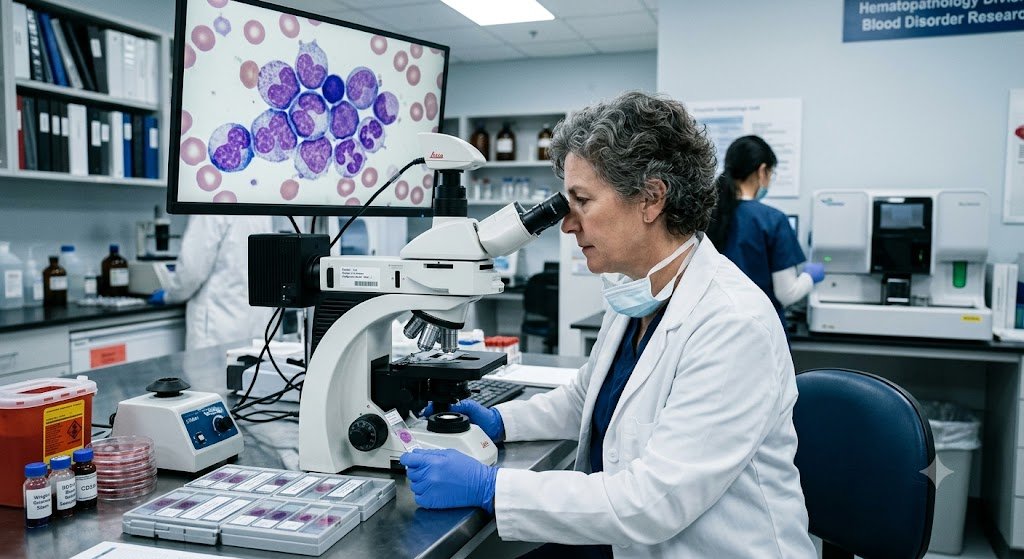
Before we answer the important question, “Is Blood Cancer Hereditary?”, it is essential to understand what blood cancer actually is. Unlike cancers that begin as a lump or tumour in organs such as the breast, lung, or colon, blood cancer originates in the bone marrow, blood, or lymphatic system. These tissues are responsible for producing healthy blood cells that carry oxygen, fight infections, and prevent excessive bleeding. When genetic changes occur within these cells, they can begin to grow uncontrollably, crowding out normal blood cells and affecting the body’s natural defence mechanisms.
Globally, blood cancers account for more than 1.3 million new cancer cases every year, making them a significant public health concern. Thanks to advances in diagnostics, targeted therapy, immunotherapy, and bone marrow transplantation, survival rates have improved considerably over the last two decades. However, early diagnosis remains one of the most important factors influencing successful treatment.
Blood cancer is broadly classified into three major types, each affecting different blood cells and requiring a specific treatment approach.
Leukemia
Leukemia is a cancer of the blood-forming tissues, primarily the bone marrow. It results in the excessive production of abnormal white blood cells that cannot function properly. These cells crowd out healthy blood cells, leading to symptoms such as frequent infections, persistent fever, fatigue, easy bruising, and bleeding. Leukemia may develop suddenly (acute) or progress slowly over time (chronic).
Lymphoma
Lymphoma begins in the lymphatic system, an important part of the immune system. It affects lymphocytes, a type of white blood cell responsible for fighting infections. The two main categories are Hodgkin lymphoma and Non-Hodgkin lymphoma. Patients often notice painless swollen lymph nodes, unexplained weight loss, night sweats, or persistent fever.
Multiple Myeloma
Multiple myeloma develops from plasma cells, which normally produce antibodies to protect the body against infections. When these cells become cancerous, they accumulate inside the bone marrow, weakening bones, damaging the kidneys, causing anaemia, and increasing susceptibility to infections.
Many patients who ask me, “Is Blood Cancer Hereditary?”, assume that these cancers are passed directly from parents to children. In reality, blood cancer develops because DNA mutations accumulate in blood-forming cells over time.
These mutations interfere with normal cell growth and death, allowing abnormal cells to multiply uncontrollably. Factors such as ageing, exposure to radiation, certain chemicals like benzene, previous chemotherapy, smoking, viral infections, and, in a small percentage of cases, inherited genetic syndromes may contribute to this process.
Understanding how blood cancer develops is essential before exploring “Is Blood Cancer Hereditary?” While genetics can influence an individual’s susceptibility, the vast majority of blood cancers arise from acquired mutations, not inherited ones.
This distinction helps patients better understand their actual risk and avoid unnecessary anxiety while making informed decisions about screening, genetic counselling, and treatment.
Is Blood Cancer Hereditary?
One of the most frequently asked questions in my clinic is, “Is Blood Cancer Hereditary?” It is a concern that affects not only patients but also their parents, children, and siblings. When one family member is diagnosed with leukemia, lymphoma, or multiple myeloma, it is natural to wonder whether other relatives are also at risk. While family history can sometimes play a role, the reassuring fact is that most blood cancers are not hereditary.
To understand “Is Blood Cancer Hereditary?”, we first need to distinguish between hereditary mutations and genetic mutations. These two terms are often used interchangeably, but medically they mean very different things.
A hereditary mutation is a genetic change that is inherited from one or both parents and is present in every cell of the body from birth. These inherited mutations can increase a person’s lifetime risk of developing certain cancers.
On the other hand, genetic mutations are changes that occur after birth during a person’s lifetime. These mutations develop naturally as cells divide or because of environmental exposures such as radiation, smoking, certain chemicals like benzene, previous chemotherapy, or viral infections. Most blood cancers arise from these acquired (somatic) mutations, not inherited ones.
This is why, when patients ask me, “Is Blood Cancer Hereditary?”, my answer is usually no. Scientific evidence shows that only a small percentage—approximately 5–10%—of blood cancers are associated with inherited genetic predisposition syndromes.
Even among families with more than one affected member, shared environmental factors or chance may also contribute. Simply having a parent, sibling, or close relative with blood cancer does not mean that another family member will inevitably develop the disease.
However, there are exceptions. Certain rare inherited conditions, such as Li-Fraumeni syndrome, Fanconi anaemia, Down syndrome, Ataxia-Telangiectasia, and Bloom syndrome, can increase the likelihood of developing specific blood cancers. Individuals with these syndromes often require closer medical surveillance and, in some cases, genetic counselling.
Fortunately, these inherited disorders are uncommon and account for only a small fraction of all blood cancer cases.
Another important point when discussing “Is Blood Cancer Hereditary?” is that different blood cancers have different levels of familial risk. For example, first-degree relatives of patients with chronic lymphocytic leukemia (CLL) or multiple myeloma may have a slightly higher risk than the general population.
However, the absolute risk remains low, and routine genetic testing is not recommended for most families unless there is a strong history of multiple blood cancers or known hereditary cancer syndromes.
In my practice, I always encourage patients to focus on awareness rather than fear. Knowing your family history is important, but it should not cause unnecessary anxiety. If several close relatives have had blood cancer or cancers at a young age, consulting a Medical Oncologist or genetic counsellor can help determine whether further evaluation is needed.
For the vast majority of people, however, blood cancer develops due to acquired genetic changes during life rather than inherited genes, making early recognition of symptoms and timely medical evaluation far more important than family history alone.
Also Read: What is the ESR Level in Cancer Patients
Is Blood Cancer Hereditary or Genetic?
After discussing “Is Blood Cancer Hereditary?”, the next question I usually hear from patients is, “If it isn’t hereditary, does that mean it isn’t genetic?” This is one of the biggest misconceptions surrounding blood cancers. The truth is that every blood cancer is genetic, but not every blood cancer is hereditary. Understanding this difference can help patients and their families avoid unnecessary fear while making informed decisions about their health.
When explaining “Is Blood Cancer Hereditary?”, I always begin by defining these two terms. A hereditary disease is caused by gene mutations that are inherited from parents and are present in every cell of the body from birth. These inherited mutations can be passed from one generation to the next and may increase the lifetime risk of developing certain cancers.
In contrast, a genetic disease simply means that the disease is caused by changes or mutations in DNA. These genetic mutations do not have to be inherited. In fact, most genetic mutations occur during a person’s lifetime as cells naturally divide or are exposed to environmental factors. This is why the answer to “Is Blood Cancer Hereditary?” is usually no, even though blood cancer itself is driven by genetic mutations.
As we age, our bone marrow continuously produces billions of new blood cells every day. With each cell division, there is a small chance that DNA errors may occur. Normally, our body’s repair mechanisms correct these errors. However, if certain mutations escape repair, abnormal blood cells begin multiplying uncontrollably, eventually leading to leukemia, lymphoma, or multiple myeloma. Research shows that age is one of the strongest risk factors because these acquired DNA mutations accumulate over time. This explains why many blood cancers are more commonly diagnosed in adults over the age of 60, although some types can also occur in children and young adults.
Several environmental and medical factors can also contribute to these acquired mutations. Exposure to benzene, high-dose radiation, tobacco smoke, certain viral infections, and even previous chemotherapy or radiation treatment for another cancer may increase the likelihood of DNA damage in blood-forming cells. These mutations develop after birth and are not passed on to children, making them fundamentally different from hereditary mutations.
This distinction is crucial when discussing “Is Blood Cancer Hereditary?”. Current medical evidence suggests that more than 90% of blood cancers result from acquired (somatic) mutations, while only a small proportion are linked to inherited genetic syndromes such as Li-Fraumeni syndrome, Fanconi anaemia, or Down syndrome. Therefore, having blood cancer does not automatically mean your children will inherit the disease.
As a Medical Oncologist, I always reassure my patients that while genetics plays a central role in the development of blood cancer, genetic does not always mean hereditary. Understanding this difference helps reduce unnecessary anxiety, allows families to focus on genuine risk factors, and ensures that those who truly need genetic counselling or specialised screening receive the right guidance. In the next section, we’ll explore which types of blood cancer have a slightly higher familial risk and when family history should prompt further evaluation.
Which Blood Cancers Have a Higher Family Risk?
After understanding “Is Blood Cancer Hereditary?”, many patients ask me a more specific question: “If someone in my family has blood cancer, which type is most likely to run in families?” The answer is that while most blood cancers are not hereditary, certain types show a slightly higher familial risk. However, it is important to remember that a higher family risk does not mean the disease is inherited or inevitable. In most cases, the overall chance of developing blood cancer remains low, even if a close relative has been diagnosed.
Is Leukemia Hereditary?
When patients ask me, “Is Leukemia hereditary?”, I explain that most leukemias are not inherited. They usually develop due to acquired genetic mutations that occur during a person’s lifetime. However, studies have shown that first-degree relatives of patients with Chronic Lymphocytic Leukemia (CLL) have a 2 to 8 times higher relative risk of developing CLL compared to the general population. Although this sounds concerning, the absolute risk remains small because CLL itself is relatively uncommon. Certain inherited conditions, including Down syndrome, Fanconi anaemia, and Li-Fraumeni syndrome, can also increase the risk of developing specific forms of leukemia.
Is Lymphoma Hereditary?
Another common concern is, “Is Lymphoma hereditary?” The answer is similar. Most cases of Hodgkin lymphoma and Non-Hodgkin lymphoma occur sporadically without an inherited cause. Research indicates that having a first-degree relative with lymphoma may increase an individual’s risk by approximately 1.5 to 3 times, but the majority of family members will never develop lymphoma. Lifestyle factors, immune system disorders, certain viral infections such as Epstein-Barr virus (EBV), and acquired DNA mutations play a much greater role than inherited genes.
Is Multiple Myeloma Hereditary?
Among the common blood cancers, multiple myeloma appears to have one of the strongest familial associations. Individuals with a parent or sibling affected by multiple myeloma have about a two to fourfold increased risk compared with the general population. Even then, the disease remains relatively uncommon, and most people with a family history will never develop multiple myeloma. Age, obesity, chronic inflammation, and acquired genetic mutations remain much more significant contributors than hereditary factors.
When discussing “Is Blood Cancer Hereditary?”, I also explain that rare inherited syndromes account for only a small percentage (approximately 5–10%) of blood cancers. Conditions such as Li-Fraumeni syndrome, Fanconi anaemia, Bloom syndrome, Ataxia-Telangiectasia, GATA2 deficiency, and Down syndrome can increase susceptibility to leukemia and other blood cancers because individuals inherit mutations that affect DNA repair or immune function.
So, is blood cancer hereditary? For the vast majority of patients, the answer is no. While certain blood cancers demonstrate a modest familial tendency, inherited syndromes remain uncommon, and most cases arise from acquired genetic mutations rather than genes passed from parents to children. If several close family members have developed blood cancer, especially at a young age, I recommend consulting a Medical Oncologist or genetic counsellor. They can assess your family history, determine whether genetic testing is appropriate, and recommend personalised screening if needed.
Genetic Conditions That May Increase Blood Cancer Risk
By now, we have answered the question “Is Blood Cancer Hereditary?” and learned that most blood cancers are not inherited. However, there are rare genetic conditions that can increase a person’s lifetime risk of developing leukemia, lymphoma, or other blood-related cancers. These inherited disorders are uncommon but are important to recognise because individuals carrying these gene mutations often benefit from regular medical surveillance, genetic counselling, and early intervention.
It is important to remember that having one of these conditions does not guarantee that a person will develop blood cancer. Instead, these disorders increase susceptibility because they affect the body’s ability to repair damaged DNA, regulate cell growth, or maintain a healthy immune system.
Li-Fraumeni Syndrome
Li-Fraumeni Syndrome (LFS) is a rare inherited disorder caused by mutations in the TP53 gene, often called the “guardian of the genome.” This gene normally helps repair damaged DNA and prevents abnormal cells from becoming cancerous. People with LFS have a significantly higher lifetime risk of developing multiple cancers, including acute leukemia. Studies suggest that individuals with TP53 mutations may have up to a 70–90% lifetime risk of developing cancer, making early screening essential.
Fanconi Anaemia
Fanconi Anaemia is a rare inherited disorder that affects the bone marrow’s ability to produce healthy blood cells. Children and adults with this condition are at a much greater risk of developing Acute Myeloid Leukemia (AML) and Myelodysplastic Syndrome (MDS). Because their DNA repair mechanisms are impaired, regular blood tests and close monitoring are extremely important.
Down Syndrome
Children born with Down Syndrome (Trisomy 21) have a significantly higher risk of developing certain blood cancers, particularly Acute Lymphoblastic Leukemia (ALL) and Acute Myeloid Leukemia (AML) during childhood. Although the overall risk remains relatively low, it is estimated to be 10–20 times higher than in children without Down syndrome. Fortunately, advances in treatment have greatly improved survival outcomes for these patients.
Bloom Syndrome
Bloom Syndrome is another rare inherited disorder caused by mutations in the BLM gene. Individuals with this condition have defective DNA repair, leading to chromosome instability and an increased likelihood of developing leukemia, lymphoma, and several other cancers at a younger age.
Ataxia-Telangiectasia
Ataxia-Telangiectasia (A-T) results from mutations in the ATM gene, which plays a critical role in repairing damaged DNA. People with A-T have weakened immune systems and face an increased risk of developing lymphoma and leukemia, especially during childhood and adolescence.
Other Inherited Disorders
In addition to these conditions, several other rare inherited disorders can increase the likelihood of blood cancer. These include GATA2 deficiency, DICER1 syndrome, RUNX1 familial platelet disorder, Shwachman-Diamond syndrome, Diamond-Blackfan anaemia, and Severe Congenital Neutropenia. Although these disorders are uncommon, they highlight why a detailed family history is an important part of every cancer evaluation.
When patients ask me, “Is Blood Cancer Hereditary?”, I explain that these inherited syndromes account for only about 5–10% of all blood cancers. For the overwhelming majority of people, blood cancer develops because of acquired genetic mutations, not inherited ones. However, if multiple family members have developed blood cancer at a young age or there is a known hereditary cancer syndrome in the family, genetic counselling and specialised testing can help assess risk, guide screening, and ensure early diagnosis when necessary.
Risk Factors Besides Family History
When discussing “Is Blood Cancer Hereditary?”, many people assume that genetics is the only factor that determines who develops blood cancer. In reality, family history is only one small piece of the puzzle. Most patients diagnosed with leukemia, lymphoma, or multiple myeloma have no family history of blood cancer at all. Instead, a combination of age, environmental exposures, lifestyle habits, previous medical treatments, and infections plays a much larger role in increasing the risk.
As a Medical Oncologist, I often reassure my patients that while “Is Blood Cancer Hereditary?” is an important question, understanding the modifiable and non-modifiable risk factors is equally important. Knowing these risks can help people make healthier choices and seek medical attention when symptoms appear.
Age
Age is one of the strongest risk factors for blood cancer. As we grow older, our bone marrow produces billions of blood cells every day, and with each cell division there is a chance of DNA damage. Over time, these acquired genetic mutations accumulate, increasing the risk of abnormal blood cell growth. According to the American Cancer Society, many blood cancers, particularly chronic lymphocytic leukemia (CLL), non-Hodgkin lymphoma, and multiple myeloma, are most commonly diagnosed in people over the age of 60. This is another reason why “Is Blood Cancer Hereditary?” cannot explain most cases.
Smoking
Smoking is not only linked to lung cancer but also increases the risk of certain blood cancers, especially Acute Myeloid Leukemia (AML). Cigarette smoke contains more than 70 known carcinogens, including chemicals that damage DNA in bone marrow cells. Research estimates that smokers have a significantly higher risk of developing AML compared with non-smokers.
Radiation Exposure
Exposure to high doses of ionising radiation is another established risk factor. Survivors of nuclear accidents, atomic bomb exposure, or patients who have received high-dose radiation therapy may have an increased likelihood of developing leukemia years later. Fortunately, routine diagnostic X-rays and medically necessary imaging expose patients to much lower radiation levels and are considered safe when used appropriately.
Benzene Exposure
Benzene is an industrial chemical found in petroleum products, certain manufacturing processes, paints, solvents, and tobacco smoke. Long-term occupational exposure has been strongly associated with Acute Myeloid Leukemia (AML) and other bone marrow disorders. Workers in industries handling benzene should always follow recommended workplace safety guidelines.
Previous Chemotherapy
Ironically, while chemotherapy saves countless lives, certain chemotherapy drugs and radiation treatments used to treat previous cancers can slightly increase the risk of developing therapy-related leukemia or myelodysplastic syndrome (MDS) years later. This risk remains small compared with the life-saving benefits of cancer treatment but highlights the importance of long-term follow-up.
Viral Infections
Some viral infections have been linked to blood cancers. For example, the Epstein-Barr Virus (EBV) is associated with certain lymphomas, while Human T-cell Leukemia Virus-1 (HTLV-1) can cause a rare type of leukemia. In people with weakened immune systems, viruses may contribute to abnormal changes in blood cells over time.
Lifestyle Factors
Although no lifestyle change can completely prevent blood cancer, maintaining a healthy weight, eating a balanced diet rich in fruits and vegetables, exercising regularly, avoiding tobacco, limiting alcohol consumption, and reducing unnecessary exposure to harmful chemicals can support overall health and may reduce cancer risk. Regular health check-ups and prompt evaluation of persistent symptoms such as unexplained fever, fatigue, recurrent infections, or swollen lymph nodes are equally important.
When patients ask me, “Is Blood Cancer Hereditary?”, I emphasise that most blood cancers develop because of acquired genetic mutations influenced by age and environmental factors rather than inherited genes. Understanding these risk factors empowers individuals to focus on what they can control while recognising symptoms early and seeking timely medical care. Early diagnosis remains one of the most effective ways to improve treatment outcomes and survival.
Signs and Symptoms You Should Never Ignore
One of the biggest challenges in diagnosing blood cancer is that its early symptoms are often vague and can easily be mistaken for common illnesses such as viral infections, stress, or nutritional deficiencies. As a Medical Oncologist, I frequently meet patients who delayed seeking medical attention because they believed their symptoms were “nothing serious.” This is why, when discussing “Is Blood Cancer Hereditary?”, I also stress that recognising the warning signs is far more important than worrying about family history alone. Most patients diagnosed with blood cancer have no inherited risk, but they do experience symptoms that deserve prompt medical evaluation.
Blood cancers such as leukemia, lymphoma, and multiple myeloma interfere with the production and function of healthy blood cells. As abnormal blood cells multiply, they affect the body’s ability to fight infections, carry oxygen, and maintain healthy bones and tissues, leading to a range of symptoms.
Persistent Fever
A fever that lasts for several weeks without an obvious infection should never be ignored. Blood cancers can weaken the immune system or trigger inflammatory responses, resulting in persistent or recurrent fever. If antibiotics fail to resolve the fever or no clear cause is identified, further evaluation is essential.
Frequent Infections
Healthy white blood cells protect the body from bacteria and viruses. In leukemia and certain lymphomas, abnormal white blood cells cannot perform this function effectively. As a result, patients may experience repeated chest infections, urinary tract infections, mouth ulcers, or prolonged illnesses. Frequent infections are often one of the earliest warning signs.
Unexplained Weight Loss
Losing more than 10% of your body weight within six months without dieting or increasing physical activity is considered a significant warning sign. Cancer cells consume large amounts of energy and can alter metabolism, leading to unintended weight loss. This symptom should always be medically investigated.
Persistent Fatigue
Everyone feels tired occasionally, but persistent fatigue that does not improve with rest is different. Many blood cancers reduce the production of healthy red blood cells, causing anaemia, which leads to extreme tiredness, weakness, shortness of breath, and reduced physical stamina.
Easy Bruising or Bleeding
If you notice frequent bruises, bleeding gums, nosebleeds, or tiny red or purple spots on the skin (petechiae), it could indicate a low platelet count. Since platelets help control bleeding, their reduction is a common finding in leukemia and other bone marrow disorders.
Swollen Lymph Nodes
One of the hallmark symptoms of lymphoma is painless swelling of the lymph nodes, usually in the neck, armpits, or groin. Unlike swollen glands caused by infections, these enlarged lymph nodes often persist for several weeks and gradually increase in size.
Bone Pain
Persistent pain in the back, ribs, hips, or other bones should not be ignored, particularly in older adults. In multiple myeloma, cancerous plasma cells weaken the bones, increasing the risk of fractures and chronic bone pain. Some patients with leukemia may also experience bone or joint pain due to abnormal cell accumulation within the bone marrow.
Night Sweats
Waking up with drenching night sweats that soak your clothes or bedding is another symptom commonly associated with lymphoma and some forms of leukemia. Although night sweats can occur for many reasons, repeated episodes accompanied by fever, weight loss, or swollen lymph nodes require prompt medical attention.
When patients ask me, “Is Blood Cancer Hereditary?”, I remind them that family history alone rarely predicts who will develop blood cancer. In fact, most patients have no inherited risk. What truly makes the difference is recognising these warning signs early and seeking timely medical evaluation. If you experience any of these symptoms for more than two to three weeks, especially in combination, consult a Medical Oncologist without delay. Early diagnosis significantly improves treatment options, increases survival rates, and offers the best chance for successful outcomes.
How Is Blood Cancer Diagnosed?
Many patients who ask me “Is Blood Cancer Hereditary?” also want to know how doctors confirm whether someone actually has blood cancer. While understanding “Is Blood Cancer Hereditary?” is important, diagnosing blood cancer accurately is even more critical because its symptoms often resemble common conditions such as infections, anaemia, or autoimmune disorders. There is no single test that can diagnose every type of blood cancer. Instead, we combine medical history, physical examination, laboratory investigations, imaging, and specialised molecular tests to reach an accurate diagnosis and determine the most effective treatment plan.
Medical History
The first step is taking a detailed medical history. I ask about symptoms such as persistent fever, unexplained weight loss, fatigue, night sweats, frequent infections, bone pain, or abnormal bleeding. Family history is also reviewed, especially if patients are concerned about “Is Blood Cancer Hereditary?”. Although inherited blood cancers are uncommon, a strong family history or known genetic syndrome may influence further investigations.
Physical Examination
A thorough physical examination helps identify important clinical signs. I carefully examine for swollen lymph nodes, enlargement of the liver or spleen, unexplained bruising, skin changes, and bone tenderness. These findings often provide valuable clues about the type of blood cancer and its extent.
Complete Blood Count (CBC)
A Complete Blood Count (CBC) is usually the first laboratory test performed. It measures the number of red blood cells, white blood cells, and platelets. Abnormally high or low blood cell counts, anaemia, or reduced platelet levels may indicate leukemia or another blood disorder. While an abnormal CBC does not confirm cancer, it often raises suspicion and guides further evaluation.
Peripheral Blood Smear
A peripheral blood smear involves examining blood under a microscope. This allows pathologists to identify abnormal or immature blood cells (blasts) that may indicate leukemia or other blood cancers. It also provides important information about the size, shape, and appearance of blood cells.
Bone Marrow Biopsy
A bone marrow aspiration and biopsy is considered the gold standard for diagnosing many blood cancers. A small sample of bone marrow, usually taken from the pelvic bone, is examined to determine whether abnormal cancer cells are present. This test also helps identify the specific subtype of leukemia, lymphoma, or multiple myeloma and assesses the extent of bone marrow involvement.
Flow Cytometry
Flow cytometry is an advanced laboratory technique that analyses proteins present on the surface of blood or bone marrow cells. It helps accurately classify leukemia and lymphoma by identifying the exact type of abnormal cells. This information is essential because treatment varies significantly between different blood cancers.
Genetic and Molecular Testing
Modern cancer care relies heavily on genetic and molecular testing. These tests detect specific chromosome abnormalities and gene mutations, such as the Philadelphia chromosome (BCR-ABL1) in Chronic Myeloid Leukemia (CML) or mutations in genes like FLT3, NPM1, TP53, and JAK2. Identifying these genetic changes not only confirms the diagnosis but also helps predict prognosis and select the most effective targeted therapies. It is important to remember that these are usually acquired mutations, reinforcing why the answer to “Is Blood Cancer Hereditary?” is no in most patients.
PET-CT and CT Scan
Imaging studies such as PET-CT and CT scans help determine whether blood cancer has spread to lymph nodes, the spleen, or other organs. These scans are particularly valuable in staging lymphoma, assessing treatment response, and detecting disease recurrence after therapy.
As a Medical Oncologist, I always tell my patients that diagnosing blood cancer requires a systematic and comprehensive approach. While many people worry about “Is Blood Cancer Hereditary?”, early diagnosis has a much greater impact on treatment success than family history alone. If blood cancer is suspected, prompt evaluation using these advanced diagnostic tools allows us to begin the right treatment at the right time, giving patients the best possible chance of recovery and long-term survival.
Should Family Members Get Tested if Blood Cancer Runs in the Family?
One of the most common concerns I hear after a patient is diagnosed is, “Should my children, siblings, or parents also get tested?” This question naturally follows the discussion around “Is Blood Cancer Hereditary?”. Families often worry that if one person develops leukemia, lymphoma, or multiple myeloma, everyone else may also be at risk. Fortunately, in most cases, routine genetic testing is not necessary because the majority of blood cancers develop due to acquired genetic mutations, not inherited ones.
Understanding “Is Blood Cancer Hereditary?” helps determine who actually benefits from genetic evaluation. While a small percentage of blood cancers are associated with inherited genetic syndromes, most patients do not have a hereditary form of the disease. Therefore, testing every family member is usually neither recommended nor helpful.
Who Should Consider Genetic Counselling?
Genetic counselling is recommended for individuals with a strong personal or family history of blood cancer or inherited cancer syndromes. You may benefit from meeting a genetic counsellor if:
- Two or more close family members have been diagnosed with leukemia, lymphoma, or multiple myeloma.
- Blood cancer has occurred in several generations of the same family.
- A family member was diagnosed at a very young age.
- There is a known inherited condition such as Li-Fraumeni syndrome, Fanconi anaemia, Down syndrome, GATA2 deficiency, or Ataxia-Telangiectasia.
- Multiple family members have developed different types of cancer suggestive of a hereditary cancer syndrome.
During genetic counselling, your family history is carefully reviewed to estimate your inherited risk and determine whether further testing is appropriate.
When Is Genetic Testing Recommended?
Many patients asking “Is Blood Cancer Hereditary?” assume that every blood cancer patient requires genetic testing. In reality, this is not the case. Genetic testing is generally recommended only when there is evidence suggesting an inherited predisposition.
Your doctor may advise genetic testing if:
- There is a strong family history of blood cancers.
- Blood cancer develops at an unusually young age.
- Multiple primary cancers occur in the same individual.
- Bone marrow transplantation is being planned and an inherited syndrome is suspected.
- Clinical findings suggest an underlying hereditary disorder.
The purpose of testing is not only to identify inherited mutations but also to guide treatment decisions, select suitable stem cell donors when necessary, and provide accurate risk assessment for family members.
Screening Recommendations for High-Risk Families
For families identified as high risk, regular medical surveillance is often more valuable than indiscriminate testing. Screening recommendations may include:
- Periodic Complete Blood Count (CBC) to detect abnormal blood cell counts.
- Regular physical examinations focusing on lymph nodes, liver, and spleen.
- Early evaluation of symptoms such as persistent fever, fatigue, frequent infections, easy bruising, unexplained weight loss, or night sweats.
- Follow-up with a Medical Oncologist or clinical geneticist based on individual risk.
- Lifestyle modifications, including avoiding smoking, unnecessary radiation exposure, and occupational exposure to harmful chemicals such as benzene.
It is important to understand that there is currently no universal screening test for blood cancer in healthy individuals. Screening is usually personalised based on family history and the presence of known inherited genetic conditions.
As a Medical Oncologist, I always reassure families that the answer to “Is Blood Cancer Hereditary?” is usually no. Most relatives of blood cancer patients will never develop the disease, and routine genetic testing is not required for everyone. However, if your family has multiple cases of blood cancer, early-onset cancers, or a known hereditary syndrome, seeking genetic counselling can provide valuable information, reduce uncertainty, and ensure that those at genuine risk receive appropriate monitoring and timely medical care.
Can Blood Cancer Be Prevented?
One of the questions I am often asked after discussing “Is Blood Cancer Hereditary?” is, “Can blood cancer be prevented?” This is an important question because many people believe that if blood cancer runs in the family, there is little they can do to reduce their risk. While there is no guaranteed way to prevent blood cancer, there are several evidence-based steps that can lower the risk of developing certain blood cancers and, more importantly, improve the chances of early detection and successful treatment.
If you are concerned about “Is Blood Cancer Hereditary?”, it is important to understand that most blood cancers are not inherited. Since the majority develop because of acquired genetic mutations, lifestyle choices and environmental exposures play a much greater role than family history in most individuals.
Can Hereditary Risk Be Reduced?
Unfortunately, inherited genes cannot be changed. If someone has a rare hereditary syndrome such as Li-Fraumeni Syndrome, Fanconi Anaemia, or GATA2 deficiency, the genetic mutation itself cannot be prevented. However, the risk of delayed diagnosis can be reduced through genetic counselling, regular medical monitoring, and early intervention. Families with known hereditary cancer syndromes should work closely with a Medical Oncologist and a clinical geneticist to develop an appropriate surveillance plan.
Maintain a Healthy Lifestyle
Although lifestyle alone cannot completely prevent blood cancer, it contributes significantly to overall health. I encourage my patients to:
- Eat a balanced diet rich in fruits, vegetables, whole grains, and lean protein.
- Maintain a healthy body weight.
- Exercise for at least 150 minutes per week, as recommended by the World Health Organization (WHO).
- Get adequate sleep and manage chronic stress.
- Limit alcohol consumption and avoid tobacco products.
A healthy immune system and good overall health may reduce the impact of several cancer risk factors.
Avoid Known Carcinogens
Reducing exposure to known cancer-causing substances is another practical step. Long-term exposure to benzene, pesticides, industrial chemicals, and tobacco smoke has been linked to an increased risk of certain blood cancers, particularly Acute Myeloid Leukemia (AML). Individuals working in chemical, petroleum, or manufacturing industries should always follow workplace safety regulations and use appropriate protective equipment.
Regular Health Check-ups
Routine medical examinations are particularly valuable for people with persistent symptoms or a strong family history. Simple investigations such as a Complete Blood Count (CBC) can sometimes detect abnormal blood cell counts before serious complications develop. While a normal CBC does not completely rule out blood cancer, regular health check-ups help identify many medical conditions at an early stage.
Early Detection Saves Lives
When discussing “Is Blood Cancer Hereditary?”, I always emphasise that early detection has a far greater impact on outcomes than family history alone. Persistent fever, unexplained weight loss, night sweats, swollen lymph nodes, unusual bruising, recurrent infections, or ongoing fatigue should never be ignored. Advances in chemotherapy, targeted therapy, immunotherapy, and bone marrow transplantation have dramatically improved survival, particularly when treatment begins early.
Know Your Family History
Even though the answer to “Is Blood Cancer Hereditary?” is usually no, knowing your family’s medical history remains important. If multiple close relatives have been diagnosed with blood cancer, especially at a young age, or if there is a known hereditary cancer syndrome in your family, discuss this with your doctor. In such situations, genetic counselling may help determine whether specialised screening or genetic testing is appropriate.
As a Medical Oncologist, I always remind my patients that blood cancer cannot always be prevented, but it can often be detected early and treated effectively. Rather than living in fear of “Is Blood Cancer Hereditary?”, focus on maintaining a healthy lifestyle, avoiding unnecessary carcinogen exposure, staying alert to warning symptoms, and undergoing timely medical evaluation. These proactive measures can make a meaningful difference in improving long-term health and treatment outcomes.
Latest Advances in Blood Cancer Treatment
One of the most encouraging changes I have witnessed during my 35+ years in Medical Oncology is the remarkable progress in blood cancer treatment. Years ago, treatment options for leukemia, lymphoma, and multiple myeloma were limited, and outcomes were often poor. Today, thanks to advances in medical science, many patients are living longer, healthier, and more fulfilling lives. While patients often ask me, “Is Blood Cancer Hereditary?”, I remind them that an equally important question is whether blood cancer is treatable—and the answer is yes, especially when diagnosed early and managed with modern therapies.
The treatment of blood cancer is no longer a one-size-fits-all approach. Today, every treatment plan is personalised based on the type of blood cancer, stage of disease, genetic mutations, patient’s age, overall health, and treatment goals.
Chemotherapy
Chemotherapy remains one of the most effective treatments for many blood cancers, particularly acute leukemias, aggressive lymphomas, and certain stages of multiple myeloma. These medicines destroy rapidly dividing cancer cells and are often used to induce remission. Modern chemotherapy protocols are safer and more precise than ever before, with improved supportive care helping patients manage side effects more effectively.
Targeted Therapy
One of the biggest breakthroughs in oncology has been targeted therapy. Unlike chemotherapy, targeted drugs attack specific genetic mutations or proteins that drive cancer growth while causing less damage to healthy cells.
For example, Tyrosine Kinase Inhibitors (TKIs) have transformed the treatment of Chronic Myeloid Leukemia (CML), increasing the 5-year survival rate to over 90% in many patients. This advancement also highlights why understanding “Is Blood Cancer Hereditary?” is important, as many of these genetic mutations are acquired during life rather than inherited.
Immunotherapy
Immunotherapy harnesses the body’s own immune system to recognise and destroy cancer cells. Treatments such as monoclonal antibodies, immune checkpoint inhibitors, and bispecific antibodies have significantly improved outcomes for many patients with lymphoma and multiple myeloma. These therapies are often used alone or in combination with chemotherapy to achieve better long-term disease control.
CAR-T Cell Therapy
One of the most exciting innovations in blood cancer treatment is CAR-T Cell Therapy. In this advanced treatment, a patient’s own T-cells are collected, genetically modified in the laboratory to recognise cancer cells, and then infused back into the body.
CAR-T therapy has shown remarkable success in patients with relapsed or treatment-resistant B-cell leukemias and lymphomas, with many clinical studies reporting complete remission rates of 70–90% in selected patients who had exhausted other treatment options.
Bone Marrow Transplant
Bone Marrow Transplantation (Stem Cell Transplant) continues to be a life-saving option for patients with high-risk leukemia, lymphoma, multiple myeloma, and certain bone marrow disorders. Depending on the disease, we may perform an Autologous Transplant (using the patient’s own stem cells) or an Allogeneic Transplant (using stem cells from a matched donor). Advances in donor matching, infection prevention, and supportive care have significantly improved transplant success rates over the past decade.
Precision Oncology
The future of blood cancer treatment lies in Precision Oncology. Using next-generation sequencing (NGS) and advanced molecular testing, we can identify the unique genetic profile of each patient’s cancer and select therapies specifically designed for those abnormalities. This personalised approach improves treatment effectiveness, reduces unnecessary side effects, and helps predict how a patient is likely to respond to therapy.
As a Medical Oncologist, I want every patient to know that blood cancer treatment has advanced dramatically over the past two decades. Although many families worry about “Is Blood Cancer Hereditary?”, the greater focus today is on accurate diagnosis, personalised treatment, and early intervention.
With modern therapies such as chemotherapy, targeted therapy, immunotherapy, CAR-T Cell Therapy, Bone Marrow Transplantation, and Precision Oncology, many patients are achieving long-term remission and enjoying an excellent quality of life. The earlier treatment begins, the better the chances of achieving the best possible outcome.
When Should You Consult a Medical Oncologist?
One of the most important messages I share with my patients is this: do not wait until symptoms become severe before seeking medical advice. Many blood cancers, including leukemia, lymphoma, and multiple myeloma, can be treated much more effectively when diagnosed early.
While many people worry about “Is Blood Cancer Hereditary?”, the reality is that most blood cancers are not inherited. What truly improves outcomes is recognising warning signs early and consulting a Medical Oncologist without unnecessary delay.
As a Medical Oncologist, I recommend seeking specialist evaluation if you experience persistent symptoms, abnormal blood test results, or have a strong family history of hereditary cancer syndromes. Early diagnosis allows access to advanced treatments before the disease progresses.
Persistent Symptoms
Symptoms such as persistent fever, unexplained fatigue, night sweats, swollen lymph nodes, bone pain, easy bruising, or prolonged bleeding should never be ignored, especially if they continue for more than two to three weeks.
Although these symptoms do not always indicate cancer, they require proper medical evaluation to identify the underlying cause. Many patients initially assume they have a viral infection or stress-related fatigue, delaying diagnosis.
Abnormal Blood Counts
An abnormal Complete Blood Count (CBC) is often the first clue that something is wrong. Low haemoglobin, unusually high or low white blood cell counts, or reduced platelet levels may indicate leukemia or another blood disorder.
While abnormal blood counts do not automatically mean cancer, they should always be reviewed by a specialist who can determine whether additional investigations such as a peripheral smear, bone marrow biopsy, or genetic testing are required.
Strong Family History
Patients frequently ask me, “Is Blood Cancer Hereditary?” If multiple close relatives have developed blood cancer, especially at a young age, or if your family has a known hereditary cancer syndrome such as Li-Fraumeni Syndrome or Fanconi Anaemia, you should consult a Medical Oncologist or genetic counsellor. Although inherited blood cancers are uncommon, identifying individuals with genuine hereditary risk allows appropriate monitoring and early intervention.
Recurrent Infections
Repeated chest infections, frequent fevers, mouth ulcers, or infections that take longer than usual to recover from may indicate an underlying problem with the immune system or abnormal white blood cells. Since leukemia and lymphoma can weaken the body’s natural defences, recurrent infections should always be investigated.
Unexplained Weight Loss
Losing more than 10% of your body weight within six months without trying is considered a significant warning sign. When combined with fatigue, fever, or night sweats, unexplained weight loss warrants immediate medical evaluation to rule out blood cancer and other serious illnesses.
Seek a Second Opinion After Diagnosis
Receiving a blood cancer diagnosis can feel overwhelming. I always encourage patients to seek a second opinion if they have doubts about the diagnosis or treatment plan. Modern blood cancer treatment has evolved rapidly, with advances in targeted therapy, immunotherapy, CAR-T Cell Therapy, Bone Marrow Transplantation, and Precision Oncology.
A second opinion can confirm the diagnosis, ensure accurate staging, and help patients understand all available treatment options before making important decisions.
As we have discussed throughout this article, “Is Blood Cancer Hereditary?” is an important question, but early consultation is even more important. Most blood cancers are not inherited, and waiting for symptoms to worsen can delay life-saving treatment. If you experience persistent symptoms, abnormal blood reports, recurrent infections, unexplained weight loss, or have concerns because of a strong family history, consult an experienced Medical Oncologist promptly. Early diagnosis, accurate evaluation, and personalised treatment remain the most effective ways to achieve the best possible outcome.
Why Choose Dr. (Brig.) Anil Kumar Dhar for Blood Cancer Treatment?

Choosing the right specialist is one of the most important decisions after a diagnosis of blood cancer. Whether you are seeking answers to “Is Blood Cancer Hereditary?” or looking for the most effective treatment for leukemia, lymphoma, or multiple myeloma, receiving care from an experienced Medical Oncologist can make a significant difference.
As a Senior Medical Oncologist & Bone Marrow Transplant Specialist, I believe every patient deserves compassionate care, accurate diagnosis, and a treatment plan tailored to their unique needs.
With over 35 years of experience in Medical Oncology and more than 30,000 patients treated, I have dedicated my career to helping patients overcome complex cancers using the latest evidence-based therapies. My approach combines advanced medical expertise with personalised care, ensuring that every patient receives the most appropriate treatment while maintaining the best possible quality of life.
35+ Years of Experience
Having treated thousands of patients over the past three decades, I have extensive experience in diagnosing and managing both common and rare blood cancers. My clinical expertise allows me to develop treatment strategies based on the latest international guidelines and the individual needs of each patient.
30,000+ Patients Treated
Every patient has a unique journey. Treating 30,000+ patients has given me valuable experience in managing cancers across different stages, from newly diagnosed cases to relapsed and treatment-resistant blood cancers. This experience helps me provide practical, evidence-based recommendations with confidence.
Expertise in Blood Cancers
I specialise in the diagnosis and treatment of:
- Leukemia
- Lymphoma
- Multiple Myeloma
- Other complex hematological malignancies and bone marrow disorders
From initial diagnosis to long-term follow-up, my focus is on achieving the best possible clinical outcomes while supporting patients and their families throughout treatment.
Advanced Blood Cancer Therapies
Modern cancer treatment is highly personalised. Depending on the type and stage of disease, I offer comprehensive treatment options, including:
- Chemotherapy
- Targeted Therapy
- Immunotherapy
- Precision Oncology
- Bone Marrow Transplantation (Autologous, Allogeneic, Haploidentical, Matched Unrelated Donor, and Cord Blood Transplant)
By integrating advanced therapies with the latest diagnostic technologies, we aim to maximise treatment effectiveness while minimising unnecessary side effects.
Personalised, Patient-Centred Care
No two patients are alike, and neither should their treatment plans be. I believe in listening carefully to my patients, explaining every diagnosis and treatment option in clear, understandable language, and involving families in important decisions.
My goal is not only to treat the disease but also to provide emotional support, maintain quality of life, and help patients navigate every stage of their cancer journey with confidence.
If you or a loved one is concerned about “Is Blood Cancer Hereditary?”, experiencing symptoms of blood cancer, or has recently been diagnosed with leukemia, lymphoma, or multiple myeloma, early consultation can make a significant difference.
With 35+ years of experience, 30,000+ patients treated, and expertise in advanced blood cancer therapies and Bone Marrow Transplantation, I remain committed to delivering compassionate, evidence-based, and personalised cancer care to every patient.

Leave a Reply