




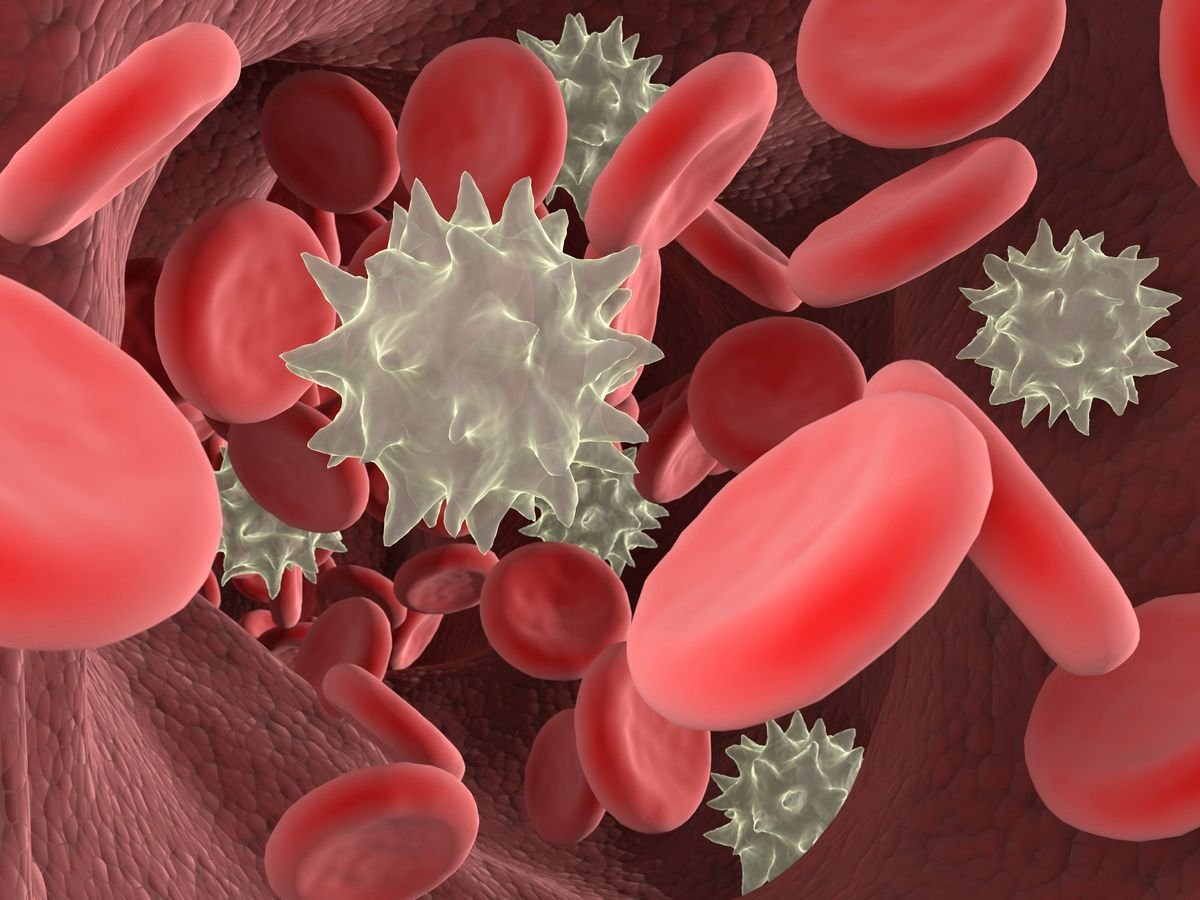
Leukemia
What is Leukemia?
Leukemia is a type of blood cancer that affects the white blood cells (WBCs). It begins in the bone marrow, where blood cells are produced.
In leukemia, the bone marrow produces abnormal white blood cells that do not function properly and crowd out healthy blood cells.
Types of Leukemia
Leukemia is classified based on how fast it grows and which type of blood cell it affects:
🔹 Acute (Fast-growing)
Acute Lymphoblastic Leukemia (ALL) – More common in children
Acute Myeloid Leukemia (AML) – More common in adults
🔹 Chronic (Slow-growing)
Chronic Lymphocytic Leukemia (CLL)
Chronic Myeloid Leukemia (CML)
Common Symptoms
Persistent fever
Fatigue and weakness
Frequent infections
Easy bruising or bleeding
Pale skin (anemia)
Bone or joint pain
Swollen lymph nodes
Unexplained weight loss
Night sweats
⚠️ Symptoms may develop gradually, especially in chronic leukemia.
Causes & Risk Factors
Genetic mutations
Previous chemotherapy or radiation therapy
Exposure to high radiation
Chemical exposure (like benzene)
Family history (rarely)
Certain genetic disorders (e.g., Down syndrome)
In many cases, the exact cause is unknown.
Diagnosis
Complete Blood Count (CBC)
Peripheral blood smear
Bone marrow biopsy
Genetic and molecular testing
Imaging tests (if needed)
Treatment Options
Treatment depends on type and stage:
🔹 Chemotherapy
Main treatment for most leukemias
🔹 Targeted Therapy
Especially effective in CML