




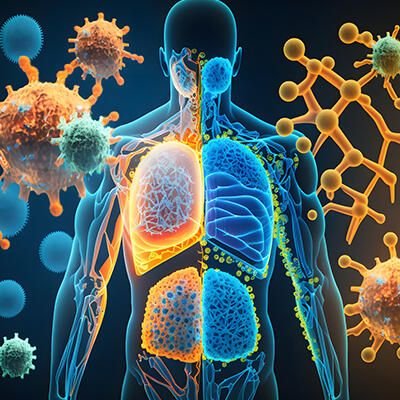
Immunotherapy
What is Immunotherapy?
Immunotherapy is a type of cancer treatment that helps your own immune system recognize and fight cancer cells.
Normally, the immune system detects and destroys abnormal cells. However, cancer cells can hide from the immune system. Immunotherapy helps the body find and attack those hidden cancer cells.
How Immunotherapy Works
Cancer cells often:
Hide from immune cells
Turn off immune responses
Avoid detection
Immunotherapy:
Boosts immune response
Removes “brakes” from immune cells
Targets specific cancer markers
Types of Immunotherapy
🔹 1. Immune Checkpoint Inhibitors
These drugs block proteins like PD-1, PD-L1, and CTLA-4 that prevent immune cells from attacking cancer.
Commonly used in:
Lung cancer
Melanoma
Kidney cancer
Bladder cancer
Some blood cancers
🔹 2. CAR-T Cell Therapy
Patient’s T-cells are modified in a lab to better attack cancer cells.
Used mainly in certain leukemias and lymphomas.
🔹 3. Monoclonal Antibodies
Lab-made antibodies that target specific cancer cells.
🔹 4. Cancer Vaccines
Help immune system recognize cancer cells.
🔹 5. Cytokines
Boost immune system activity.
Benefits of Immunotherapy
✅ Targets cancer more specifically
✅ Often fewer side effects than chemotherapy
✅ Can provide long-lasting responses
✅ Effective in advanced cancers
Cancers Treated with Immunotherapy
Lung cancer
Melanoma
Lymphoma
Leukemia
Kidney cancer
Bladder cancer
Head & neck cancer
Some breast & colon cancers
Possible Side Effects
Because it activates the immune system, it may cause:
Skin rash
Diarrhea
Fatigue
Thyroid problems
Inflammation of organs (rare but serious)
These are called immune-related side effects and are usually manageable if detected early.
Is Immunotherapy Better Than Chemotherapy?
Not always. It depends on:
Type of cancer
Stage
Genetic markers
Patient’s health
Sometimes both are used together.