


Childhood Cancers
What Are Childhood Cancers?
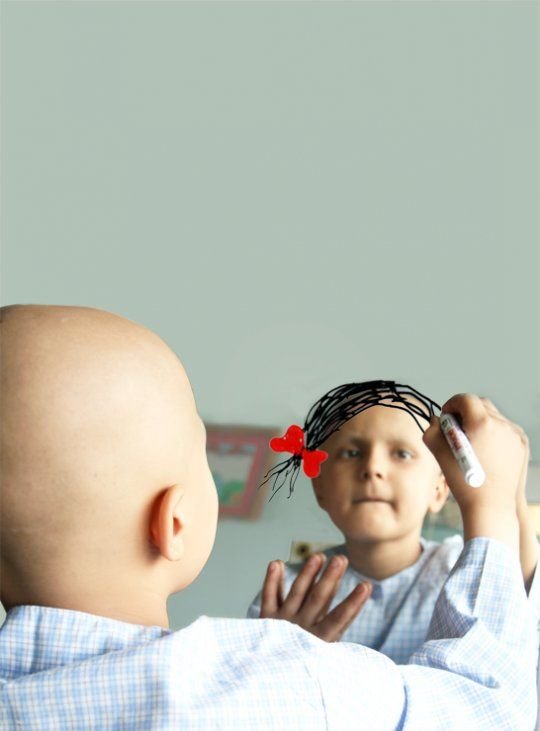
Childhood cancers are cancers that occur in children and adolescents (0–18 years).
Unlike adult cancers (which are often linked to lifestyle or environmental factors), childhood cancers are usually caused by genetic or developmental changes in cells.
The good news:
✅ Many childhood cancers are highly treatable.
✅ Cure rates are much higher compared to the past.
Most Common Types of Childhood Cancers
🔹 1. Leukemia (Most Common)
Cancer of blood and bone marrow.
🔹 2. Brain and Spinal Cord Tumors
🔹 3. Lymphoma
Hodgkin and Non-Hodgkin lymphoma.
🔹 4. Neuroblastoma
Common in infants and young children.
🔹 5. Wilms Tumor
Kidney cancer in children.
🔹 6. Bone Cancers
Osteosarcoma and Ewing sarcoma.
Common Warning Signs in Children
Persistent fever
Unexplained weight loss
Swelling or lump anywhere in the body
Frequent infections
Easy bruising or bleeding
Persistent headache or vomiting
Bone pain or limping
White reflection in the eye (in some eye cancers)
⚠️ Symptoms lasting more than 2–3 weeks should be evaluated by a pediatrician.
Causes & Risk Factors
In most cases, the exact cause is unknown.
Possible factors:
Genetic mutations
Certain inherited syndromes
Previous radiation exposure
Rare immune system disorders
Childhood cancers are not caused by diet, mobile phones, or minor injuries.
Diagnosis
Blood tests
Imaging (X-ray, CT, MRI)
Bone marrow test
Biopsy
Genetic testing
Early diagnosis improves outcomes.
Treatment Options
Treatment depends on type and stage:
🔹 Chemotherapy
Main treatment for many childhood cancers.
🔹 Surgery
🔹 Radiation Therapy
🔹 Targeted Therapy
🔹 Immunotherapy
🔹 Bone Marrow / Stem Cell Transplant
Treatment is usually provided by a pediatric oncology team.
Cure Rates
Many childhood cancers have high cure rates:
Childhood leukemia: High survival rate
Hodgkin lymphoma: Very high cure rate
Wilms tumor: Excellent outcomes
With proper treatment, many children grow into healthy adults.