




Prostate Cancer
What is Prostate Cancer?
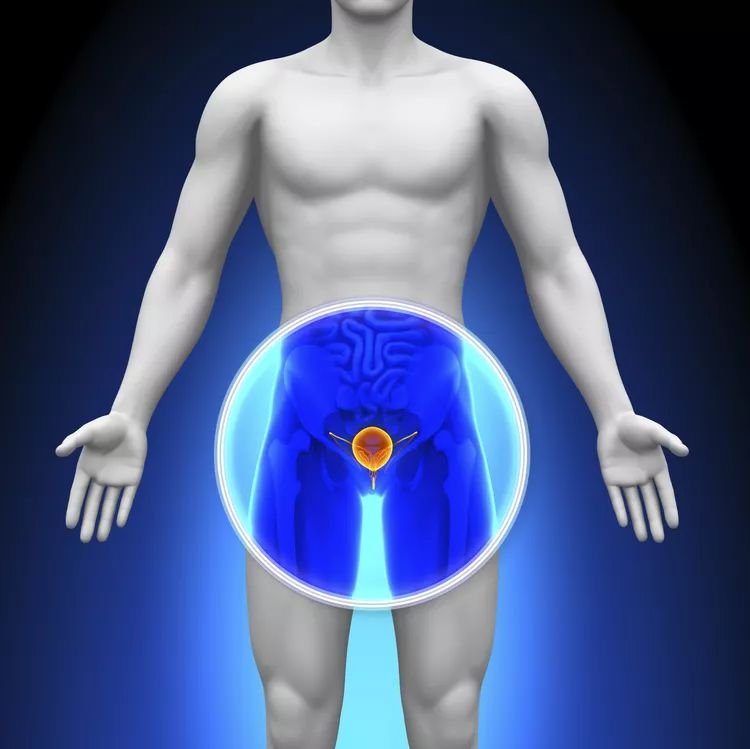
Prostate cancer develops in the prostate gland, a small walnut-shaped gland in men that produces seminal fluid (part of semen).
It is one of the most common cancers in men, especially after age 50.
Risk Factors
Age above 50 years
Family history of prostate cancer
Genetic mutations (BRCA1/BRCA2)
Obesity
High-fat diet
African ancestry (higher risk globally)
Common Symptoms
Early-stage prostate cancer often has no symptoms.
When symptoms occur, they may include:
Difficulty urinating
Weak urine flow
Frequent urination (especially at night)
Blood in urine or semen
Painful urination
Erectile dysfunction
Bone pain (in advanced stages)
⚠️ Many urinary symptoms may also be due to non-cancerous prostate enlargement (BPH), so proper testing is important.
Diagnosis
PSA (Prostate-Specific Antigen) blood test
Digital Rectal Examination (DRE)
MRI prostate
Prostate biopsy (confirmatory test)
Bone scan / PET scan (if advanced)
Stages of Prostate Cancer
Stage 1–2: Limited to prostate
Stage 3: Spread outside prostate
Stage 4: Spread to distant organs (commonly bones)
Treatment Options
Treatment depends on stage, age, and overall health:
🔹 Active Surveillance
For slow-growing, low-risk cancer